


Engine Crossmember

Innovative Mounts 59111 Engine Swap Crossmember for 88-91 Honda Civic/CRX


QA1 MUK11 Tubular K-Member Fox Body Mustang 5.0L Street & Track

QA1 Precision Products MUK12 Tubular K-Member for 1996-2004 Mustang 4.6L

QA1 Precision Products MUK01 Tubular K-Member Fox Body Mustang 1979-1993


QA1 MUK21 Tubular K-Member for 1979-1993 Mustang LS Swap with Engine Mounts
 Representative Photo, actual item may vary

 Representative Photo, actual item may vary


Keystone SU1229100 Front Lower Engine Crossmember Steel 2.0L Engine

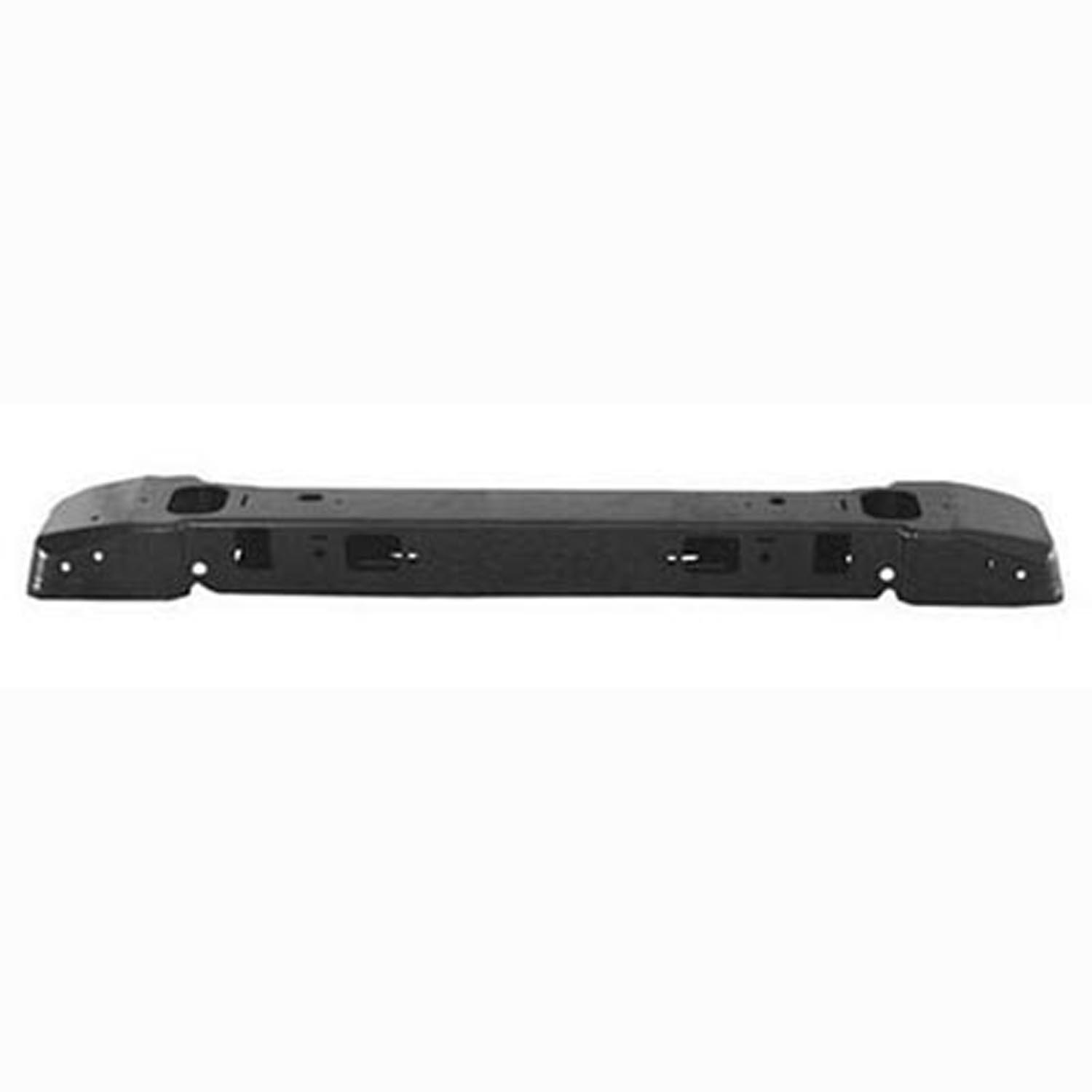
Keystone CH1096100 Front Lower Engine Crossmember Radiator Support
 Representative Photo, actual item may vary
 Representative Photo, actual item may vary

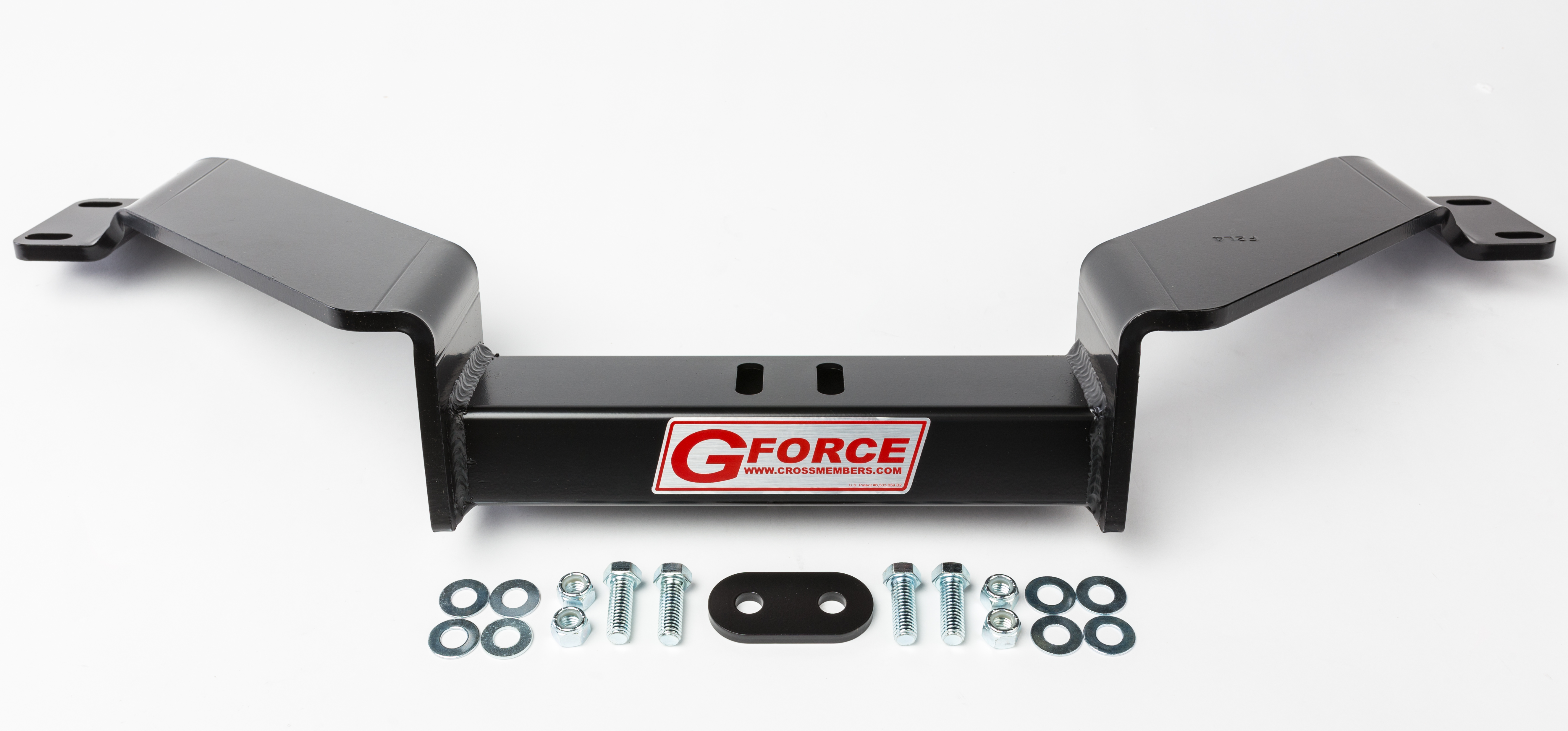
Sherman 685-40AR Right Hand Transmission Mount Crossmember for Chevy II/Nova/Acadian 62-67



 Representative Photo, actual item may vary
What Is an Engine Crossmember?
A crossmember is a structural component that runs transverse to the main structure of a vehicle. More specifically, the engine crossmember is situated at the front of the vehicle and serves as a connection point for the chassis or frame. Its main function is to support the engine and transmission, securing them to the vehicle's structure, while also helping to absorb and distribute vibrations and impacts from the road for a smoother, more stable driving experience.
A crossmember is typically made of steel or aluminum and connects the longitudinal frame rails to provide support for the engine, transmission, or other key assemblies while enhancing overall rigidity and resistance to twisting and deflection. In modern vehicles, particularly those with unibody construction, crossmembers play a critical role in distributing loads, maintaining alignment of suspension components, and ensuring stable handling under dynamic conditions such as acceleration, braking, and cornering.
Why the Engine Crossmember Matters
For the suspension of any car to operate correctly — ensuring proper handling and maintaining body panel alignment — the frame must be strong enough to cope with the loads applied to it, and must resist deflection and have sufficient torsional strength to withstand twisting forces. The engine crossmember is one of the most critical contributors to that structural integrity.
A worn or damaged engine crossmember can have serious consequences. A damaged crossmember can cause your vehicle to exhibit drivability issues, potentially throwing the wheel alignment off and making it difficult to drive straight. The crossmember is also a supporting component; without it, the coils, struts, and shock towers could get bent and wear out prematurely, and the transaxle is also at risk of getting twisted. Common warning signs include unusual noises from the underside of the vehicle such as clunking or banging sounds, uneven tire wear or alignment issues, excessive vibration or shaking while driving, and visible damage or corrosion on the crossmember.
OEM Replacement vs. Performance Upgrades
When it comes time to replace or upgrade an engine crossmember, builders and restorers face a clear choice: stick with an OEM-style replacement for a stock rebuild, or step up to an aftermarket performance crossmember. Crossmembers commonly feature adjustable mounts for engine-transmission swaps or height modifications, with materials ranging from stamped steel for cost-effective applications to tubular aluminum for weight savings in modern designs.
For performance enthusiasts — especially those working on classic trucks and muscle cars — an upgraded engine crossmember can unlock meaningful gains in geometry, weight reduction, and engine swap compatibility. When shopping, always verify fitment by year, make, model, and engine configuration, and consider whether the crossmember accommodates your existing or planned drivetrain.
Top Brands in Engine Crossmembers
QA1 Precision Products is a leading name in performance chassis components, and their engine crossmember lineup reflects that engineering pedigree. QA1's bolt-on Mustang K-members are constructed from high-strength, low-alloy (HSLA) steel, resulting in a design that is 50% lighter than a stock crossmember — a material choice that allows for maximum strength and rigidity while minimizing weight. These K-members offer increased header clearance and improved Ackerman, anti-dive, and roll center geometry — especially valuable on lowered vehicles — and modular engine mounts simplify engine swaps including Coyote swaps.