


Drum Brake Shoes


Dynamic Friction 1902-0946-00 Rear True-Arc Brake Shoes for Hyundai Veracruz

Dynamic Friction 1902-0892-00 True-Arc Rear Brake Shoes for Mazda Millenia
Dynamic Friction 1902-0878-00 Rear True-Arc Brake Shoes for 1993-1997 Infiniti J30


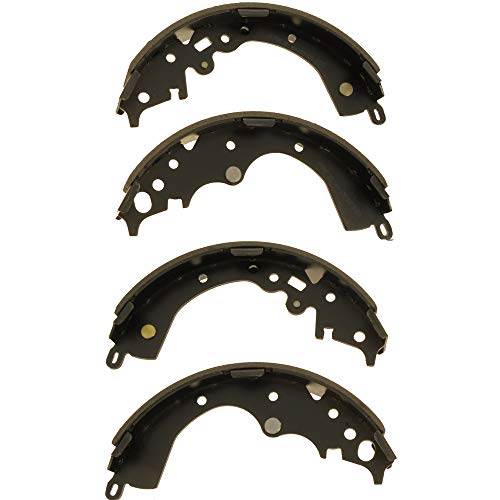 Representative Photo, actual item may vary


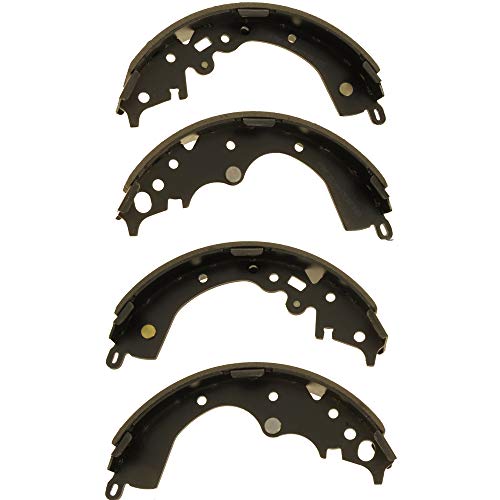 Representative Photo, actual item may vary


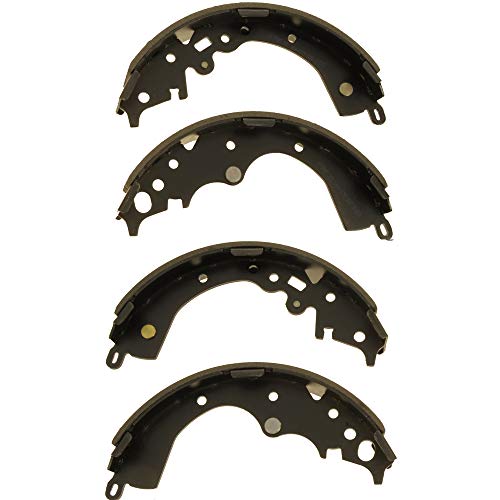 Representative Photo, actual item may vary
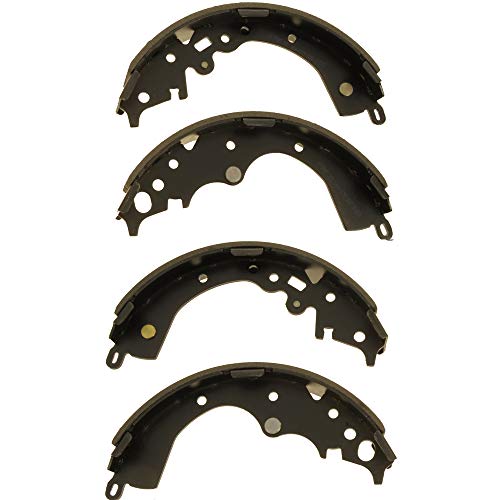 Representative Photo, actual item may vary
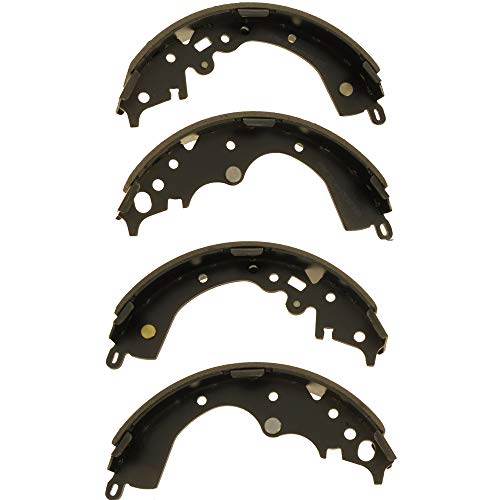 Representative Photo, actual item may vary

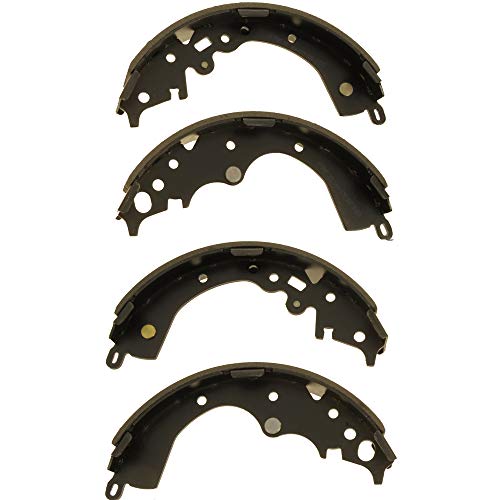 Representative Photo, actual item may vary
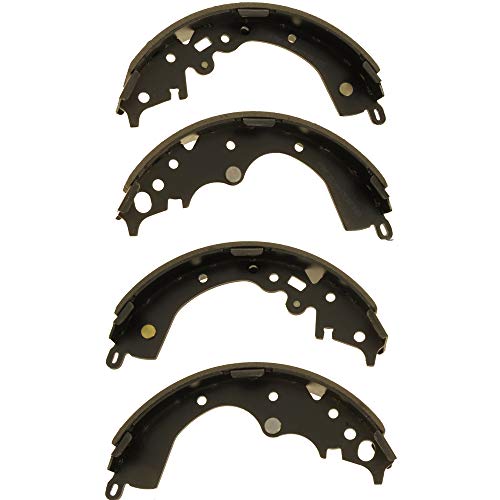 Representative Photo, actual item may vary
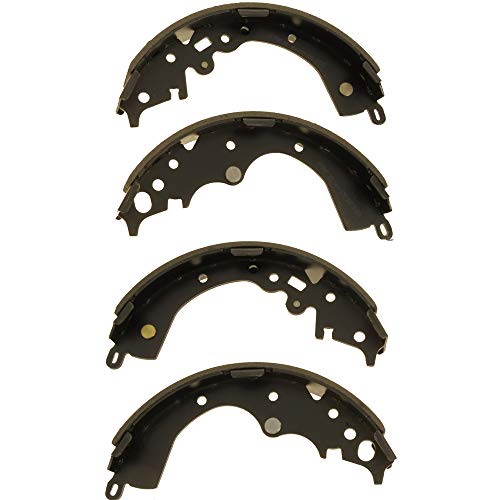 Representative Photo, actual item may vary
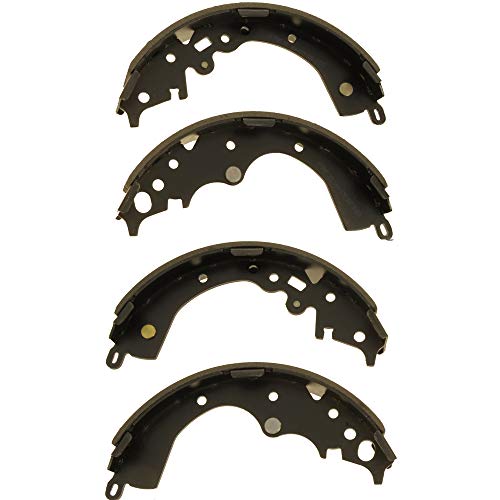 Representative Photo, actual item may vary
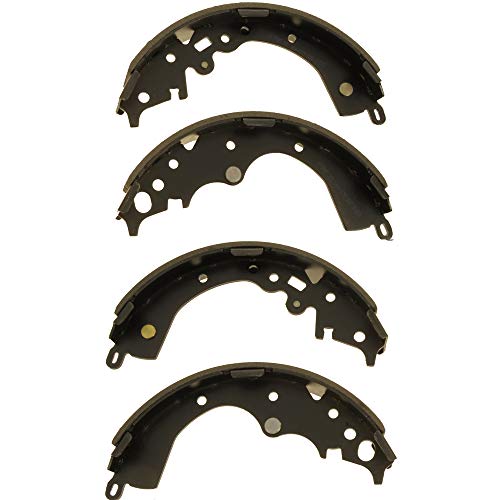 Representative Photo, actual item may vary
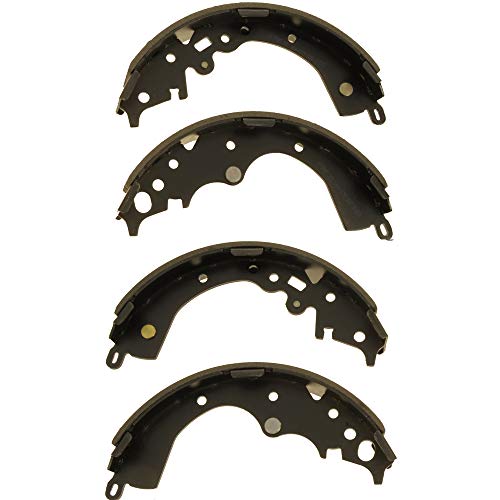 Representative Photo, actual item may vary


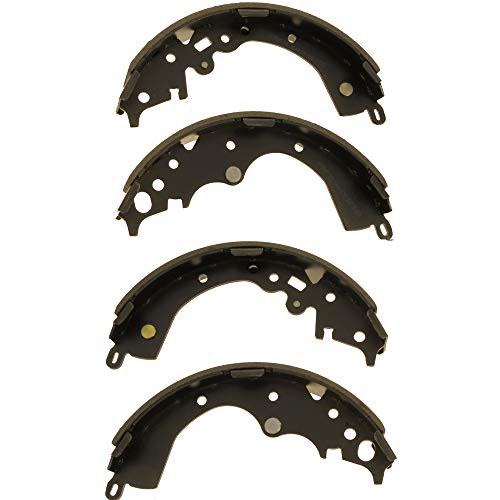 Representative Photo, actual item may vary
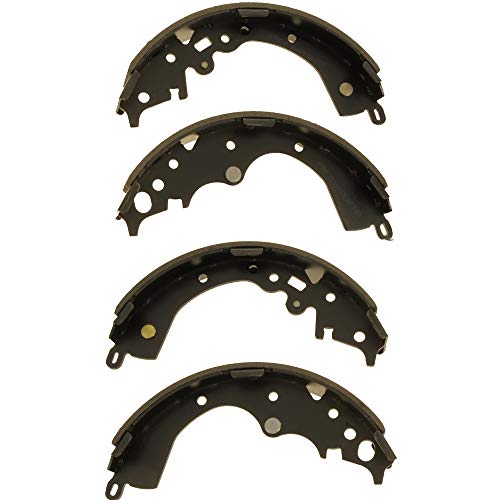 Representative Photo, actual item may vary
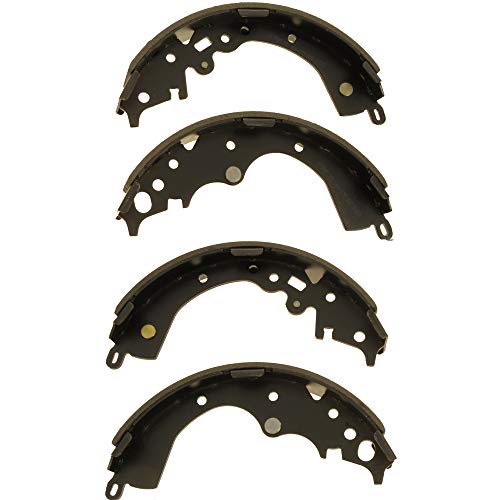 Representative Photo, actual item may vary
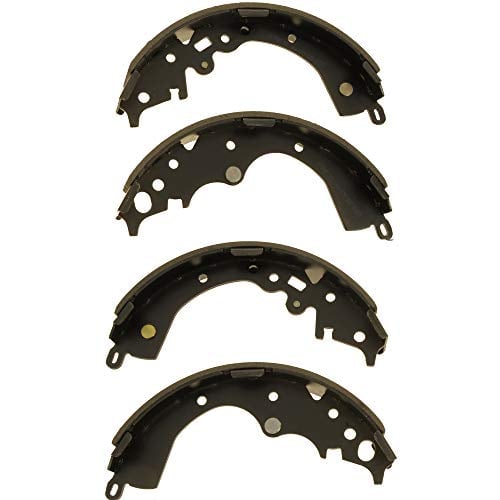 Representative Photo, actual item may vary


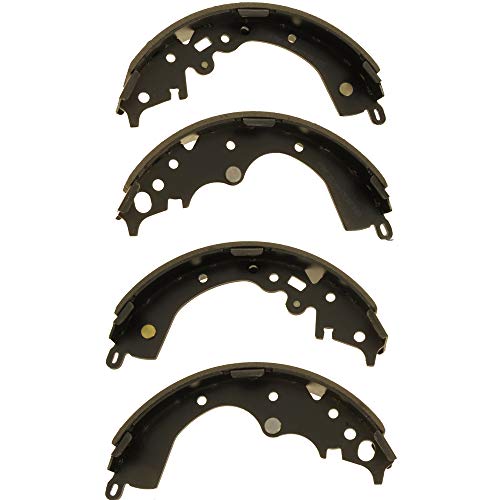 Representative Photo, actual item may vary
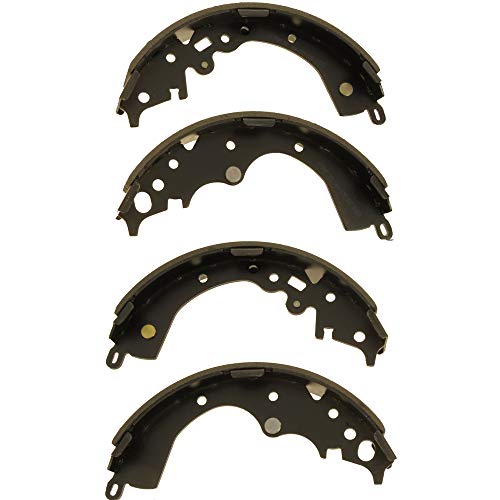 Representative Photo, actual item may vary
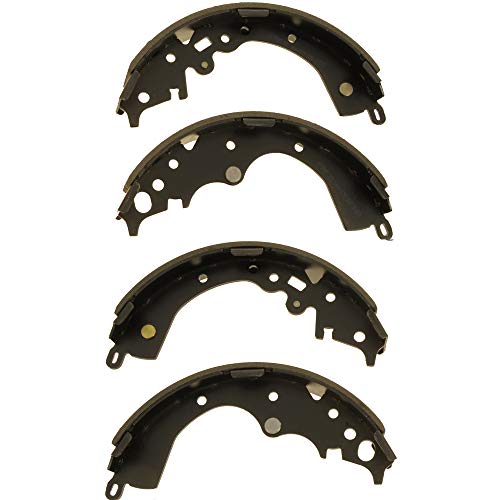 Representative Photo, actual item may vary
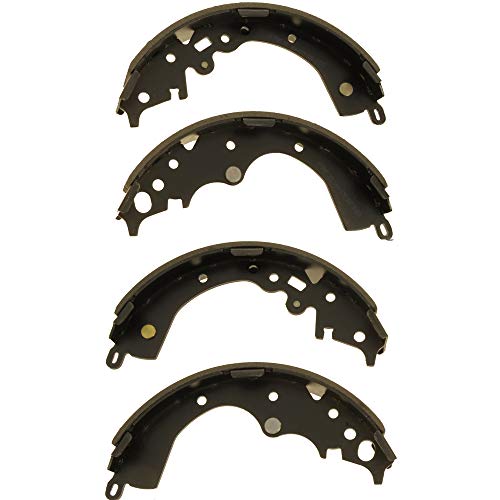 Representative Photo, actual item may vary
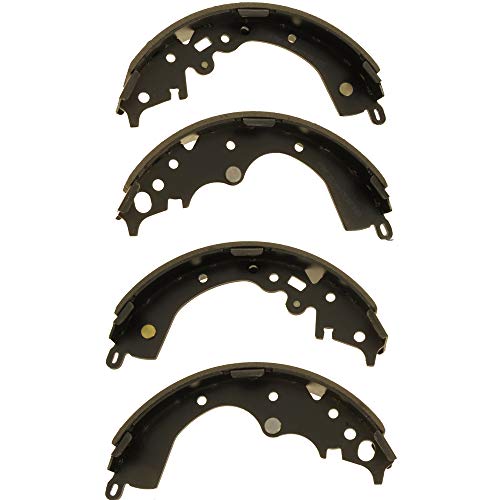 Representative Photo, actual item may vary
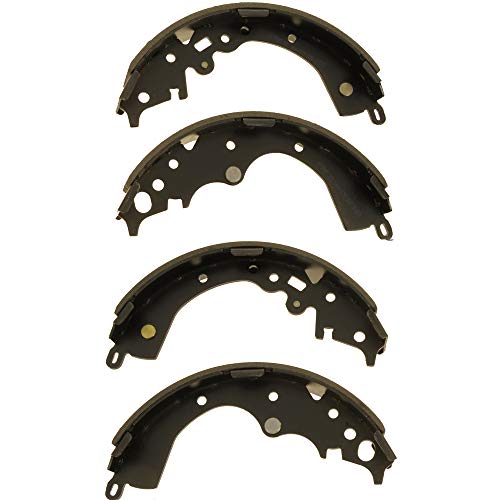 Representative Photo, actual item may vary
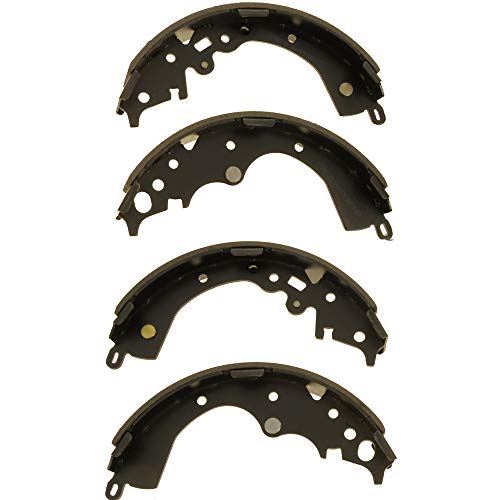 Representative Photo, actual item may vary
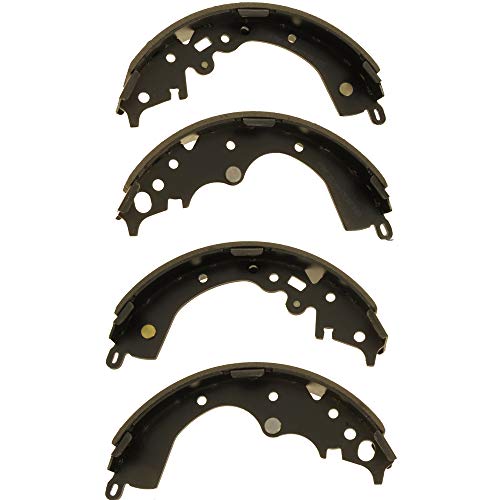 Representative Photo, actual item may vary

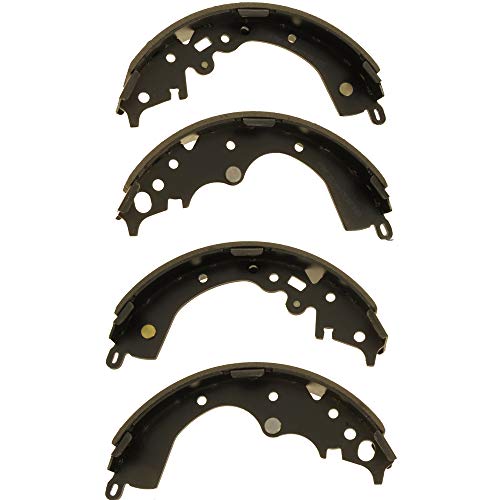 Representative Photo, actual item may vary
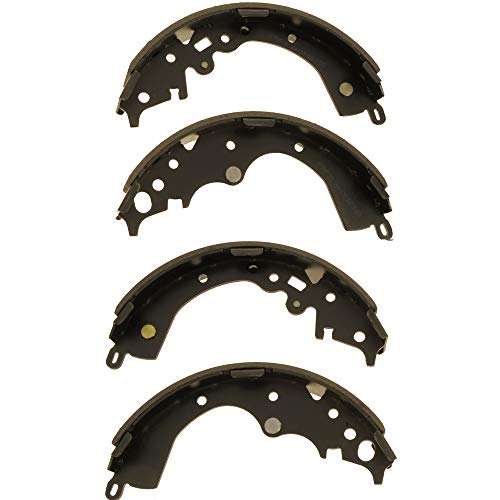 Representative Photo, actual item may vary
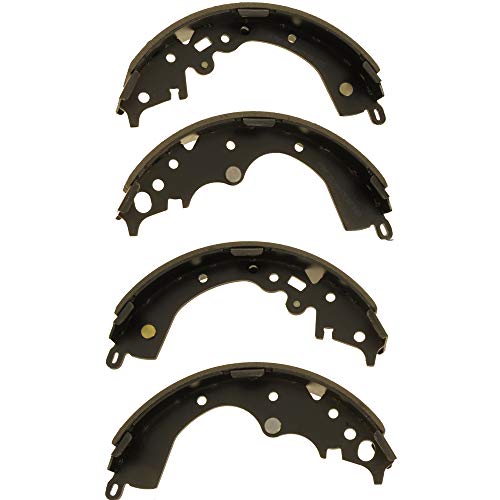 Representative Photo, actual item may vary

What Are Drum Brake Shoes and Why Do They Matter?
Drum brake shoes are the friction components at the heart of a drum brake system. When you press the brake pedal, hydraulic pressure forces the curved shoes outward against the inner surface of a spinning drum, converting kinetic energy into heat and bringing your vehicle to a stop. While disc brakes have become the dominant technology on front axles, drum brakes — and the shoes that make them work — remain standard on the rear axles of a huge number of cars, trucks, SUVs, and light-duty vehicles on the road today. They also serve as the integrated parking brake mechanism on many platforms, making their condition doubly important for both safety and regulatory compliance.
Over time, brake shoe lining material wears down through normal use. Worn shoes produce longer stopping distances, a soft or spongy brake pedal, squealing or grinding noises, and uneven braking. Replacing drum brake shoes at the right interval — or when symptoms appear — is one of the most impactful maintenance tasks you can perform for vehicle safety.
What to Look for When Shopping Drum Brake Shoes
- Friction Material: Semi-metallic compounds offer strong bite and heat dissipation, making them popular for trucks and heavier loads. Organic (non-asbestos) compounds run quieter and are gentler on drum surfaces, suited for lighter daily-driver applications.
- OEM Fit vs. Performance Upgrade: Direct-fit replacement shoes restore factory braking behavior, while performance-oriented shoes can improve pedal feel and reduce fade under harder use.
- Hardware Inclusion: Many kits bundle spring and hold-down hardware with the shoes, eliminating the need for separate parts and ensuring worn springs don't compromise the new shoe's performance.
- Environmental Standards: Look for shoes that are asbestos-free and copper-free, meeting modern environmental regulations without sacrificing stopping power.
- Warranty: A strong manufacturer warranty is a signal of build quality confidence — check what coverage is offered before you buy.
Top Drum Brake Shoe Brands
Bosch is one of the most recognized names in global automotive components, bringing decades of OE supplier expertise to their drum brake shoe lineup. Bosch shoes are engineered to meet or exceed original equipment specifications, making them a trusted choice for drivers who want a reliable, no-compromise factory-quality replacement.
Wagner Brakes has been a dedicated brake specialist for over a century, and their drum brake shoes reflect that deep institutional knowledge. Wagner formulates their friction materials to deliver consistent stopping performance across a wide range of temperatures and driving conditions, with a strong emphasis on quiet, fade-resistant operation.
Power Stop has built a reputation around delivering performance brake components that meet the demands of everyday drivers and enthusiasts alike. Their Autospecialty drum brake shoes feature a semi-metallic formula that is post-cured for increased braking power and a shorter break-in time, and are precision cam-ground for exact fitment. All Power Stop shoes are 100% asbestos-free and copper-free, and many kits include spring and hold-down hardware for a complete, straightforward installation.
StopTech is widely respected in the performance and motorsport communities, and their drum brake shoe offerings bring that same engineering discipline to street-driven vehicles. StopTech focuses on consistent friction characteristics and precise fitment tolerances, making their shoes a go-to for enthusiasts who demand predictable, high-performance braking even from a drum setup.
Find the Right Drum Brake Shoes for Your Vehicle
With over 850 drum brake shoe options across leading brands, there is a fitment here for virtually every make, model, and driving style. Whether you are restoring factory feel to a daily commuter or upgrading the rear braking performance of a truck that sees heavy loads, start by confirming your vehicle's year, make, model, and submodel — then let the friction compound, hardware inclusion, and brand reputation guide your final choice.