


Oxygen Sensor Bung
 Representative Photo, actual item may vary



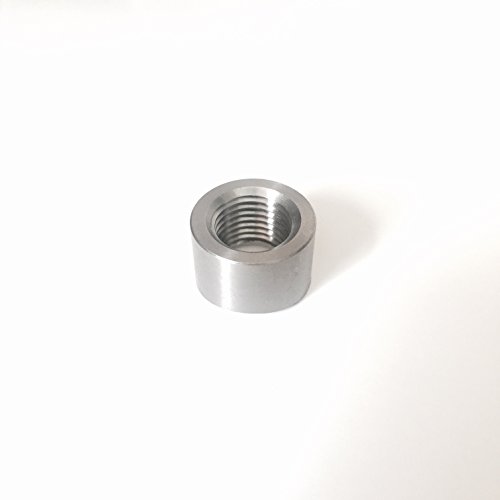 Representative Photo, actual item may vary
Ticon 104-00100-9000 Titanium O2 Sensor Bung with Built-In Heat Sink M18x1.5



 Representative Photo, actual item may vary
Top Line Manufacturing CGSTO25 Stainless Steel Oxygen Sensor Bung Weld-In Fitting


Hooker BlackHeart 71014302-RHKR Oxygen Sensor O2 Bung 2.5" Clamp-On Kit for EFI Systems





What Is an Oxygen Sensor Bung?
Oxygen sensor bungs — also called O2 sensor bungs — are small but essential components in any exhaust system. An oxygen sensor bung is a threaded fitting or weldable component that provides a precise mounting location for an oxygen sensor in the exhaust pipe, manifold, header, or downpipe. Without a properly installed bung, there's no reliable way to seat an O2 sensor securely or maintain an airtight seal against exhaust gases.
The oxygen sensor itself monitors the amount of oxygen in the exhaust stream, feeding that data back to the engine control unit (ECU). The ECU then makes real-time adjustments to fuel injection and ignition timing, optimizing the air-fuel ratio for efficiency, power, and emissions compliance. In short, a properly installed bung is what allows the sensor to do its job accurately — making it a foundational component for both daily drivers and high-performance builds.
Common Uses & Applications
Oxygen sensor bungs are used across a wide range of applications. Whether you're fabricating a custom exhaust from scratch, adding wideband monitoring to a turbocharged build, replacing a damaged factory bung on a stock system, or relocating a sensor on a modified setup, the right bung ensures a secure, leak-free fit. They are commonly used with both narrowband (factory-style) and wideband O2 sensors, the latter being especially popular for performance tuning and air-fuel ratio monitoring.
Beyond the street and track, O2 sensor bungs also find use in marine engine exhaust systems, where accurate mixture monitoring is just as critical for performance and fuel economy.
What to Look for When Shopping
- Thread size: The most common thread size is M18 x 1.5, which fits the vast majority of standard OEM and aftermarket wideband sensors. M12 x 1.25 and other sizes are available for specific applications.
- Material: Stainless steel (typically T304) is widely preferred for its corrosion resistance and ability to handle extreme exhaust heat. Mild steel is a cost-effective choice for less demanding applications, while titanium offers maximum strength-to-weight ratio for race builds.
- Bung style: Standard flat-bottom bungs weld flush to pipe surfaces, while saddle-style and coped bungs are contoured to match the radius of a specific tube diameter for a cleaner weld. Angled and J-style bungs are designed for tight clearance situations where a straight sensor would not fit.
- Installation method: Most performance bungs are weld-in designs, requiring TIG or MIG welding for a permanent installation. Some applications call for thread-on adapters that attach to existing ports.
Top Brands in Oxygen Sensor Bungs
Vibrant Performance is a leading brand in this category and a go-to choice for fabricators and performance builders. Vibrant offers an extensive lineup including standard weld bungs, saddle-style bungs, 45-degree angled bungs, and their distinctive J-style fittings — all crafted from T304 stainless steel or titanium to handle the rigors of high-performance exhaust systems.
Speedmaster rounds out the performance-oriented offerings with O2 sensor bung solutions suited for builders who need reliable exhaust hardware as part of a broader engine management or induction upgrade.
Earl's Performance brings decades of plumbing and fitting expertise to the O2 sensor bung category, offering precision-machined fittings that meet the exacting standards of racing and high-performance street applications.
Walker Exhaust is a trusted name in exhaust system components and provides O2 sensor bungs well-suited for OEM-replacement and factory-style exhaust repairs, where maintaining stock sensor positioning is the priority.
Dorman covers a wide range of vehicles with their broad catalog of O2 sensor bung options, making them a reliable choice for technicians and DIYers looking to restore exhaust system integrity on everyday passenger vehicles.