


Deburring Tool


 Representative Photo, actual item may vary







 Representative Photo, actual item may vary
 Representative Photo, actual item may vary
 Representative Photo, actual item may vary

COMP Cams POW355356 Solid Carbide Burr 6" Cylindrical Radius End Aluminum Cut

 Representative Photo, actual item may vary


 Representative Photo, actual item may vary
 Representative Photo, actual item may vary


 Representative Photo, actual item may vary

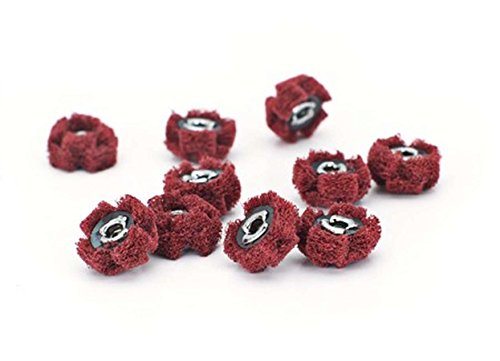
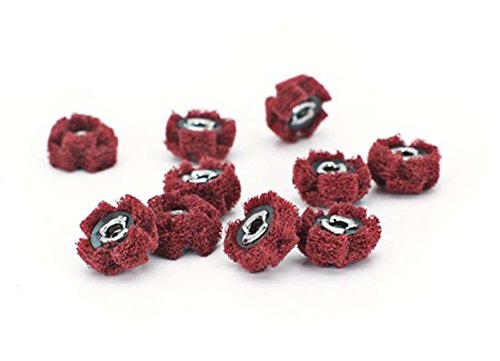
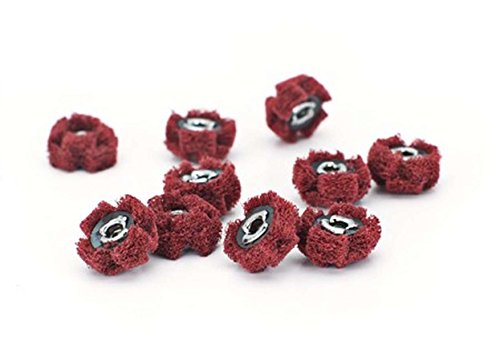
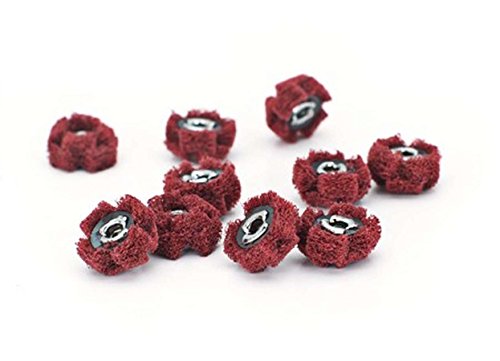
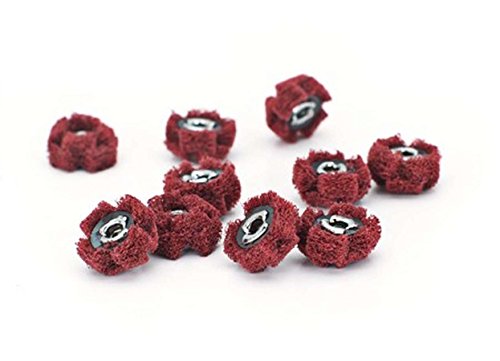
COMP Cams POW351905 1" Very Fine Cross Buffs Engine Porting Polishing Set 10-Pack




 Representative Photo, actual item may vary
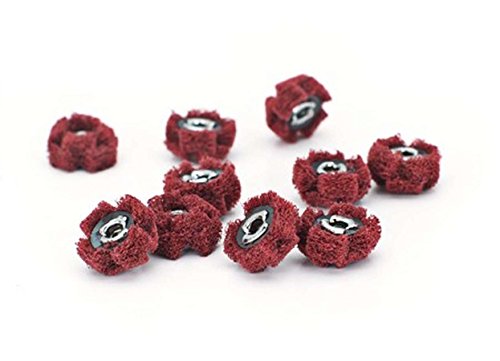 Representative Photo, actual item may vary
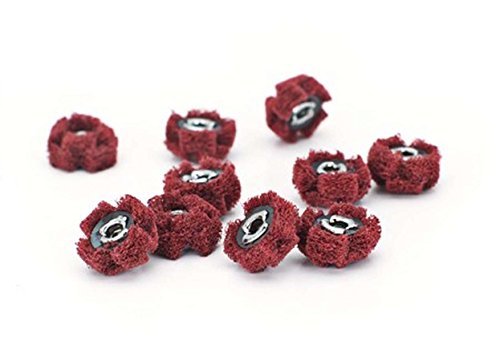 Representative Photo, actual item may vary


 Representative Photo, actual item may vary


 Representative Photo, actual item may vary





 Representative Photo, actual item may vary
 Representative Photo, actual item may vary
 Representative Photo, actual item may vary
 Representative Photo, actual item may vary
 Representative Photo, actual item may vary
Eastwood Company 72819 Shaviv Mango II Long Reach Deburring Tool Bonus Pack with E-Blade
 Representative Photo, actual item may vary
Eastwood Company 72818 Shaviv Mango II Long Reach Deburring Tool Set with Cobalt Blades
 Representative Photo, actual item may vary
 Representative Photo, actual item may vary
 Representative Photo, actual item may vary


- 1
- 2
What Is a Deburring Tool and Why Does It Matter?
Any time metal is cut, drilled, punched, or machined, the process leaves behind burrs — tiny, razor-sharp fragments and raised edges that cling to the workpiece. Left unchecked, these burrs can tear through seals and hoses, cause leaks in fluid lines, accelerate wear on mating surfaces, and create serious safety hazards for anyone handling the part. A deburring tool is the simple, precise solution: a handheld instrument designed to shave, scrape, or ream away those rough edges and leave a smooth, chamfered finish ready for assembly or installation.
In automotive and mechanical work, deburring is far more than cosmetic. When fitting brake lines, fuel lines, or coolant tubing, even a small burr at a cut end can prevent a compression fitting from seating properly, leading to leaks under pressure. When drilling new holes in sheet metal for body work or fabrication, deburring the hole prevents stress fractures and keeps grommets and fasteners from working loose over time. Deburring tools are designed to remove burrs from holes and cut-off ends of pipework, and can be used on a variety of materials such as wood, plastic, copper, nylon, or steel.
Types of Deburring Tools
The most common style found in automotive shops is the hand deburring tool, which features a handle and a rotating or pivoting blade head. The pivoting blade design works especially well on inside circles , making it ideal for cleaning up drilled holes in sheet metal or cast aluminum. Beyond hand tools, you'll also find dedicated pipe and tubing deburring reamers — often built right into tube cutters — as well as rotary file-style deburring bits designed for use with a drill or die grinder. As most deburring is done by hand, it's critical to have high-quality reamer tools that are both ergonomic and durable.
Key Considerations When Shopping for a Deburring Tool
- Blade material: High-speed steel (HSS) blades stay sharper longer and handle hardened metals better than standard carbon steel.
- Swivel vs. fixed head: A swivel or rotating blade head conforms to irregular edges and curves, making it more versatile for automotive bodywork and fabrication.
- Handle ergonomics: Look for knurled or rubber-gripped handles that won't slip when working in awkward positions under a hood or chassis.
- Material compatibility: Confirm the tool is rated for your material — aluminum, steel, copper tubing, and plastic each respond differently to blade geometry.
- Replacement blades: Choose a tool with readily available replacement blades to extend the tool's life well beyond the first edge.
Top Deburring Tool Brands
Gates is the dominant name in this category, best known for its precision belt drive installation tools and specialty automotive service tools. Gates brings the same engineering discipline to its deburring offerings, making their tools a go-to for professional technicians who demand accuracy during belt and hose system servicing.
RIDGID is a trusted name in professional pipe and tube work, and their deburring tools reflect that heritage. RIDGID's reaming tools are engineered for tradespeople who need consistent, repeatable results on copper, steel, and plastic pipe — a natural fit for automotive cooling and fuel line work.
Eastwood Company caters specifically to automotive restoration and fabrication enthusiasts, and their hand tools — including deburring options — are designed with the garage builder in mind, bridging the gap between professional quality and DIY accessibility.
CPS Products brings its HVAC and refrigeration tool expertise to the deburring category, offering tools well suited for working with copper tubing and fittings — skills that translate directly to automotive A/C system service and repair.
General Tools has a long legacy of producing precision measuring and hand tools for mechanics and machinists alike. Their deburring tools offer dependable everyday performance for both shop professionals and serious DIYers tackling fabrication or repair projects.