


BlueBird Turn Signal Light Bulb


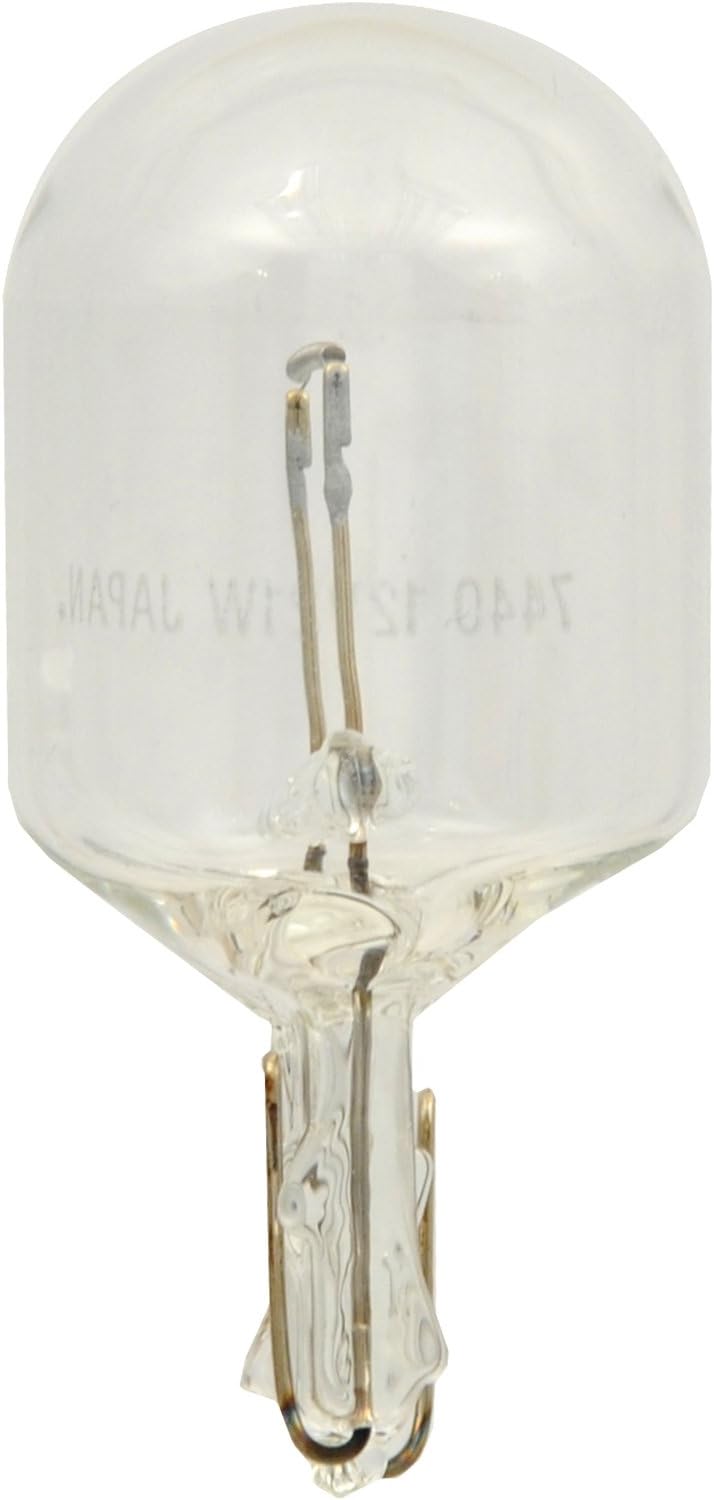 Representative Photo, actual item may vary


BlueBird Turn Signal Light Bulbs: Keeping School Bus Fleets Visible and Safe
When it comes to school bus maintenance, few components carry more regulatory and safety weight than the turn signal lighting system. For fleet managers, mechanics, and transportation directors running BlueBird buses, sourcing the correct turn signal light bulbs is not a matter of guesswork — it demands exact-fit parts engineered for the specific electrical architecture of each BlueBird model.
Turn signal light bulbs on a school bus endure a uniquely demanding duty cycle. Unlike a passenger car that may signal a few dozen times a day, a school bus can cycle its turn signals hundreds of times across a single route — every stop, every lane change, every school zone approach. That repetitive thermal stress, combined with the vibration inherent in heavy-vehicle operation, means that only bulbs built to commercial-vehicle tolerances will deliver reliable service life.
BlueBird Model Coverage
BlueBird's product lineup spans several iconic model families, and turn signal bulb fitment varies across them. This catalog covers bulbs compatible with the most widely operated models in the BlueBird family:
- BlueBird Vision — One of the most common Type C school buses on American roads, the Vision uses front and rear turn signal assemblies with specific bulb bases and wattage ratings. Later Vision models (2015+) integrate turn signal and headlight functions in a unified housing, making correct bulb selection especially critical.
- BlueBird All American — In continuous production since 1949 and recognized as the longest-assembled commercial vehicle line in the world, the All American has evolved through six generations, each with distinct lighting specifications.
- BlueBird TC/2000 — A staple of Type D rear-engine configurations, the TC/2000 platform has its own turn signal circuit layout and corresponding bulb requirements.
Why Correct Bulb Specification Matters on a BlueBird
BlueBird buses are engineered with proprietary chassis platforms — a practice the company has followed since 1952 on the All American and carried through to the Vision and TC/2000 lines. That proprietary engineering means generic automotive bulbs may not seat correctly, draw the right amperage, or trigger proper flash rates within BlueBird's turn signal relay systems. Selecting the right OEM-spec or equivalent-rated replacement prevents hyper-flash warnings, ensures compatibility with the vehicle's turn signal bulb socket, and keeps the bus in compliance with federal school bus lighting standards.
With 16 distinct part numbers in this catalog, the selection covers both standard incandescent and compatible LED-style replacements for front and rear positions across multiple model years. Whether you are servicing a single-bus school district or maintaining a large regional fleet, having the correct bulbs on the shelf prevents costly route delays.
Trusted Heritage, Demanding Standards
BlueBird Corporation has been setting industry benchmarks in school bus design and safety since its founding in Fort Valley, Georgia in 1932. With a presence in more than 60 countries and a reputation built on transporting the most precious cargo imaginable, every component on a BlueBird bus — down to the turn signal bulb — reflects that commitment to reliability. Browse the full BlueBird brand catalog or explore all compatible options in our Turn Signal Light Bulb category to find the exact fit for your fleet.