


Vacuum Switching Valve


 Representative Photo, actual item may vary


Dorman 911-754 Evaporative Emissions Canister Shut Off Solenoid Valve



 Representative Photo, actual item may vary

 Representative Photo, actual item may vary

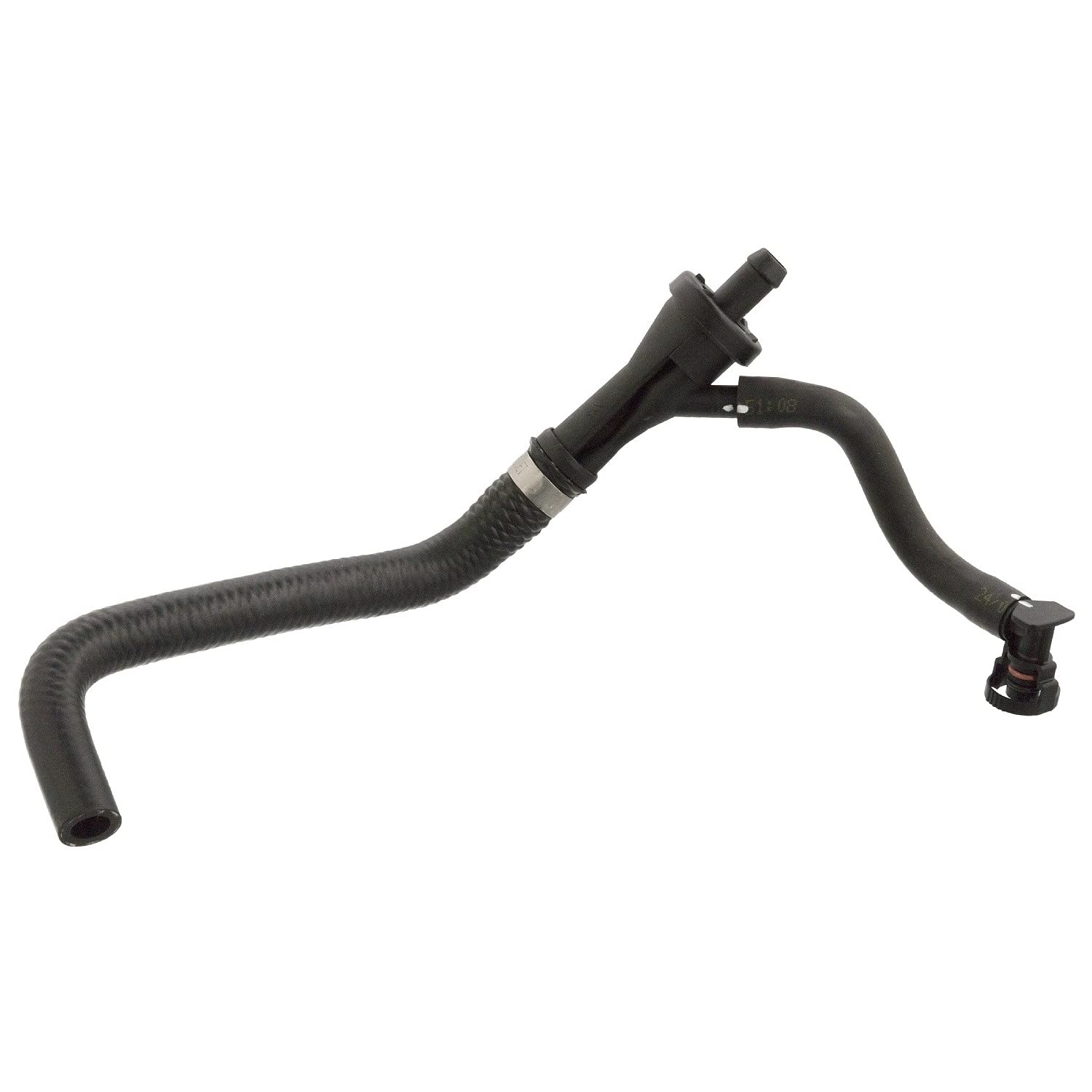 Representative Photo, actual item may vary


 Representative Photo, actual item may vary





Genuine BMW 16-13-1-184-235 EVAP Canister Shut-Off Valve

 Representative Photo, actual item may vary


 Representative Photo, actual item may vary
 Representative Photo, actual item may vary
 Representative Photo, actual item may vary


 Representative Photo, actual item may vary
 Representative Photo, actual item may vary
What Is a Vacuum Switching Valve?
A vacuum switching valve (VSV) is a component commonly found in modern vehicles, specifically in the vacuum systems that control and manage the engine's functions. Its primary function is to manage the flow of vacuum pressure to various components such as the fuel system, emission control systems, and even the heater controls. Unlike a traditional mechanical valve, the vacuum switching valve utilizes electrical signals to open and close, allowing for more precise control.
How Does a Vacuum Switching Valve Work?
A vacuum switching valve (VSV), also known as a solenoid valve, is an electronically controlled component that regulates vacuum flow to various systems within a vehicle. It operates by opening or closing in response to signals from the engine control unit (ECU), allowing or blocking vacuum as needed. When the ECU determines that a specific function requires vacuum, it sends an electric signal to the valve. Once activated, the valve opens or closes, triggering the flow of vacuum either to the desired component or away from it, depending on the system's needs.
Why the VSV Matters for Emission Control
The VSV is a key part of a vehicle's Evaporative Emission Control (EVAP) system — a small, computer-controlled valve that manages the flow of fuel vapors. The EVAP system traps gasoline fumes from the fuel tank in a charcoal canister. When your car is running, the VSV opens to allow engine vacuum to pull these trapped fumes into the engine, where they are safely burned instead of being released into the atmosphere, helping your car run cleanly and pass emissions tests.
Both EVAP and EGR versions exist as vacuum switching valves, but they control different systems — the EVAP VSV manages fuel vapors from the gas tank, while the EGR (Exhaust Gas Recirculation) VSV controls the flow of exhaust gases back into the engine to reduce emissions.
Signs of a Failing Vacuum Switching Valve
A VSV in poor condition can affect your vehicle in several noticeable ways. A failing vacuum switching valve is one of the most common reasons for a check engine light related to the emissions system. While it won't stop your car from running, it will cause an automatic failure on an emissions test. You might also notice a faint smell of fuel or, in rare cases, a rough idle if the valve is stuck open, creating a vacuum leak. A malfunctioning VSV can trigger diagnostic trouble codes (DTCs) related to emissions, idle control, or performance.
What to Consider When Shopping for a Replacement VSV
Mismatched VSVs can lead to vacuum system failures, poor engine performance, or emissions compliance issues — understanding the intended application is the first and most crucial step in selecting the appropriate vacuum switching valve. Vehicles operate in dynamic conditions involving vibration, temperature fluctuations, and exposure to road contaminants, so choose VSVs designed for automotive use with robust sealing mechanisms and resistance to moisture and oil.
Top Brands for Vacuum Switching Valves
Dorman is a leading aftermarket supplier of vacuum switching valves, offering a broad range of direct-fit replacements for the emission control system. Dorman's vacuum switching valves match the fit and function of the original part on specified vehicles and use a factory-style plug for easy installation, backed by decades of automotive aftermarket experience and extensive testing to ensure a quality fit and long service life.
Aisin Automotive Casting Tennessee brings OEM-level credibility to its vacuum system components. Aisin Automotive Casting Tennessee produces high-quality, functional engine components for some of the largest automotive manufacturers in the world, including Toyota, General Motors, Nissan, and Honda — making their VSV parts a natural choice for owners seeking factory-grade quality.