


Suspension Subframe Connector

UMI Performance 2003-R Subframe Connector Kit 3-Point Welded Design





BMR Suspension SFC004H Weld-On Tubular Subframe Connectors for 1993-2002 F-Body


UMI Performance 2001-R Weld-In Subframe Connector Kit for GM F-Body

Competition Engineering C3114 Bolt-On Subframe Connectors 1976-81 Camaro Firebird


BMR Suspension DTB001H Driveshaft Tunnel Brace Black Hammertone 1983-1987 F-Body

UMI Performance 2400-B Boxed Weld-In Subframe Connectors for 1982-1992 GM F-Body


Global Accessories 910 Subframe Connectors Weld-On Kit 1964-1966 Mustang Coupe Fastback


UMI Performance 2026-R Weld-In Subframe Connectors for GM F-Body


UMI Performance 2001-B Subframe Connectors Weld-In DOM Steel Chassis Stiffener

 Representative Photo, actual item may vary


QA1 52093 Bolt-In Subframe Connector Kit for 1967-1969 Camaro Firebird

Cusco 3F7 492 C Power Brace Front Center Crossmember for Honda Civic Type R FL5

BMR Suspension SFC321H Bolt-On Subframe Connectors Black Hammertone


QA1 Precision Products 52095 Subframe Connector Kit for 1975-1981 GM F-Body


BMR Suspension SFC110H Bolt-On Subframe Connectors Black Hammertone Dodge Challenger


BMR Suspension SFC025H Weld-On Boxed Subframe Connectors for Hardtop Applications

BMR Suspension SFC025R Weld-On Boxed Subframe Connectors Red 1994-2004 Mustang Hardtop

BMR Suspension SFC019R 4-Point Bolt-On Subframe Connectors Red 2010-2015 Camaro


BMR Suspension SFC321R Bolt-On Subframe Connectors Red Powdercoat
 Representative Photo, actual item may vary
 Representative Photo, actual item may vary

 Representative Photo, actual item may vary


 Representative Photo, actual item may vary


UMI Performance 207040-B Subframe Connector Driveshaft Loop Kit for GM F-Body - 1993-2002

UMI Performance 207040-R Subframe Connector Driveshaft Loop Kit for GM F-Body - and 1993-2002
 Representative Photo, actual item may vary


Detroit Speed Engineering 010114DS Subframe Connectors with Lower Torque Box


Detroit Speed Engineering 010103DS Subframe Connectors for 1970-1981 F-Body Camaro Firebird

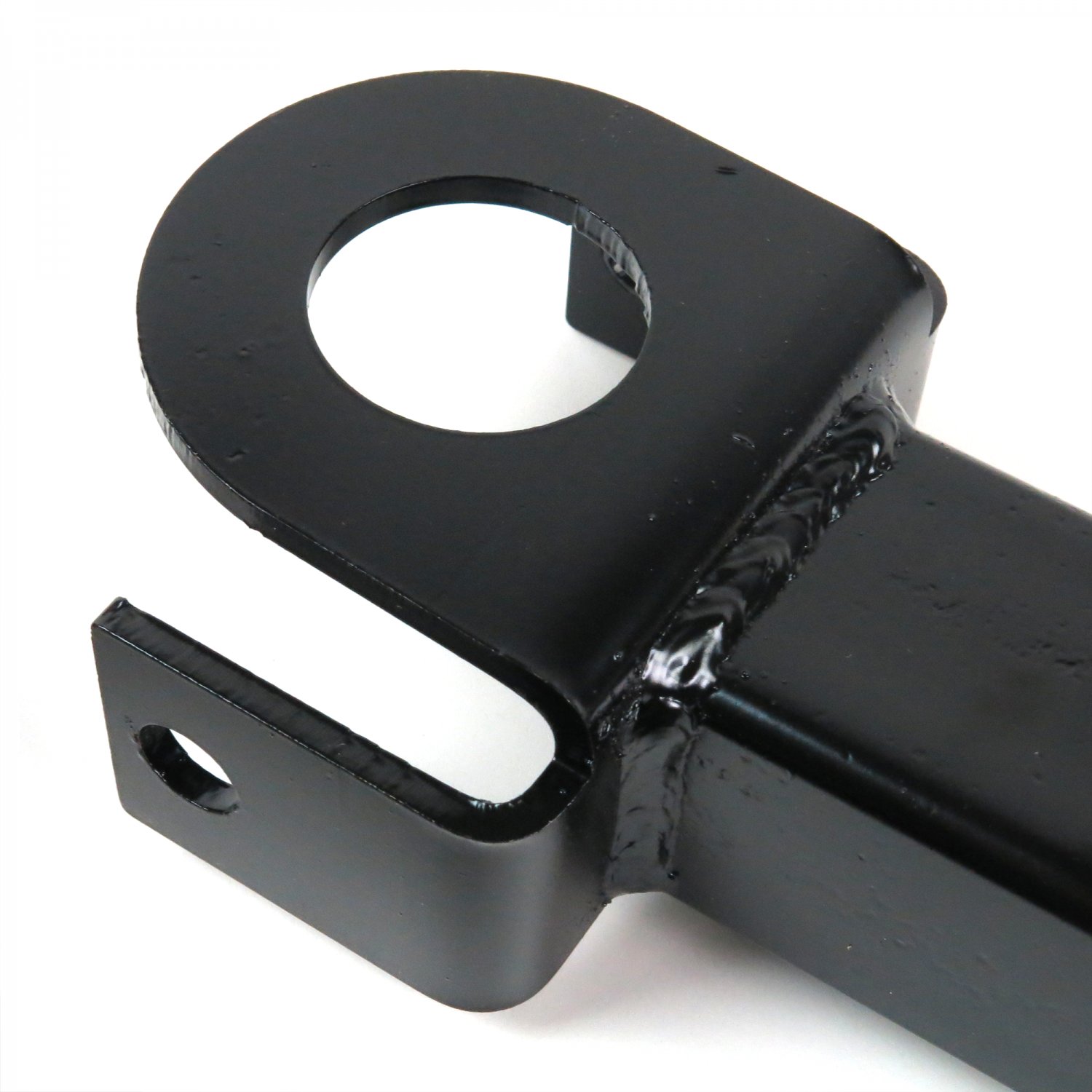 Representative Photo, actual item may vary


Detroit Speed Engineering 010101DS Subframe Connectors for 1967-1969 Camaro Firebird

Detroit Speed Engineering 010105DS Subframe Connectors for 1964.5-1970 Ford Mustang

UMI Performance 1000 Torque Box Reinforcement Kit for Fox Body Mustang
What Are Suspension Subframe Connectors?
Suspension subframe connectors are one of the most impactful — and often most overlooked — chassis upgrades available for muscle cars and performance vehicles. Subframe connectors are specialized structural components that connect the front and rear subframes, providing additional rigidity to the chassis. They are typically installed longitudinally along the vehicle's undercarriage, reinforcing the frame and aiding in the distribution of weight and forces during aggressive driving.
Most classic muscle cars and modern performance vehicles are built on a unibody platform. This design saves weight but often sacrifices structural integrity — especially when subjected to high horsepower, sticky tires, or aggressive driving. Over time, chassis flex leads to floorpan damage, misaligned doors, seat-mount fatigue, and an unpredictable driving experience. Subframe connectors help prevent this chassis flex, which left unchecked will fatigue and eventually crack metal.
Why Subframe Connectors Matter for Performance
When chassis flex is reduced, the benefits are felt in nearly every area of driving performance. A stiffer chassis keeps suspension loads contained within the springs and shocks, rather than being absorbed by the flexing action of the unibody. Think of it this way: when a chassis flexes, it acts as a fifth spring — one with no damper — robbing your suspension of predictability and your tires of traction. Stiffening the chassis allows the suspension to more effectively do its job and makes the effects of suspension tuning far more predictable.
The gains extend to the drag strip as well. With a stiffer chassis, engine torque is quickly transmitted to the rear axle rather than being delayed or dissipated by flexing the unibody first, resulting in stronger, more consistent launches. Ride quality also improves, as road irregularities are kept in the suspension rather than being absorbed by the body structure.
Weld-In vs. Bolt-In Subframe Connectors
There are two primary installation styles to consider. Weld-in connectors are generally regarded as the strongest option, creating a fully integrated structural connection, but require welding equipment and some fabrication skill. Bolt-in connectors offer a more accessible DIY installation using basic hand tools with no welding required, and are a popular choice for street cars or builds where the modification may need to be reversed. Some premium bolt-in designs rival weld-in strength through multi-point attachment systems and heavy-gauge steel construction. Be sure to verify ground clearance compatibility and whether floor pan modifications are needed before ordering.
Top Brands for Suspension Subframe Connectors
BMR Suspension is a leading name in this category, offering both bolt-in and weld-in subframe connectors engineered specifically for American muscle platforms including Ford Mustang, GM F-Body, Chevy SS, and Dodge vehicles. BMR's connectors are manufactured from heavy-duty square steel tubing with laser-cut CNC-formed steel plate, and their triangulated designs tie key structural points together for exceptional chassis rigidity — all proudly designed and manufactured in the USA.
Hotchkis Performance brings more than 30 years of suspension engineering expertise to their subframe connector lineup. Their bolt-in connectors are designed for a precise, vehicle-specific fit, maintaining ground clearance and compatibility with aftermarket exhaust systems. Hotchkis covers a wide range of classic platforms including first- and second-gen Camaros, Firebirds, and Mopar B- and A-body cars.
Competition Engineering has a long-standing reputation in the drag racing and performance aftermarket communities, offering subframe connectors built for serious performance applications where chassis integrity is non-negotiable.
QA1 Precision Products is well known across the suspension and chassis space for precision-engineered components, and their subframe connector offerings reflect the same attention to fit, finish, and structural performance that defines their broader catalog.
BBK rounds out the top brands, delivering accessible performance chassis components with broad vehicle coverage for Ford and GM platforms popular among street performance enthusiasts.
Choosing the Right Subframe Connectors
- Verify fitment for your specific vehicle year, make, model, and body style (coupe vs. convertible)
- Decide between bolt-in convenience and weld-in maximum rigidity based on your build goals
- Compare steel gauge and tubing dimensions — heavier, larger-section tubing generally provides more stiffness
- Check ground clearance specs, especially on lowered vehicles
- Look for powder-coated finishes for long-term corrosion resistance
- Consider whether the design requires floor pan modifications before purchasing