


Engine Valve Spring Checker










 Representative Photo, actual item may vary
 Representative Photo, actual item may vary

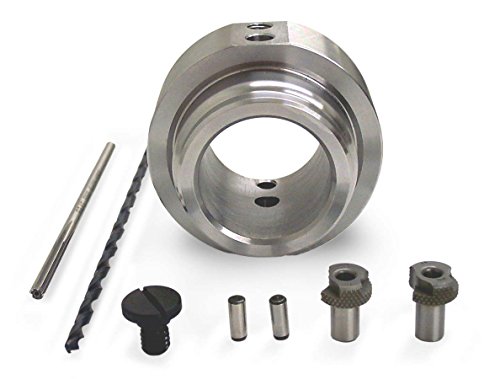 Representative Photo, actual item may vary


 Representative Photo, actual item may vary


ATI Performance Products 918008-1 Crank Pin Drill Kit for Dodge Hemi 5.7L/6.1L


Speedmaster PCE397.1003 Crankshaft Turning Socket Tool for Ford 289 302 351W 351C

What Is an Engine Valve Spring Checker?
An engine valve spring checker — also called a valve spring tester — is one of the most indispensable tools in any serious engine builder's arsenal. Valve springs are responsible for closing the intake and exhaust valves against the camshaft's lobes, and if a spring loses tension or falls out of spec, the consequences can range from poor idle quality all the way to catastrophic valve float at high RPM. A valve spring checker takes the guesswork out of the equation by delivering precise, repeatable measurements of each spring's tension and installed height.
How Does a Valve Spring Checker Work?
The tool works by compressing a valve spring to a predetermined height and measuring the amount of force required to achieve that compression. That reading is then compared to the manufacturer's specifications to confirm the spring is within tolerance. Most quality checkers accommodate a range of spring sizes and types and feature either an analog gauge or a digital display to indicate the tension reading.
There are two main styles of valve spring checker to be aware of:
- Benchtop / Off-Engine Testers: These allow you to evaluate springs individually, off the engine, with a high degree of accuracy. Springs are placed in the tool and compressed to a measured height, giving you precise seated and open force readings. This is the preferred method during a full engine build or rebuild.
- On-Head / On-Engine Testers: These tools are designed to check valve spring pressures on assembled heads, even while the engine is still in the vehicle. They grip around the rocker arm to measure seat pressure and are especially useful at the race track to monitor spring fatigue over time.
Why Valve Spring Testing Matters
Valve spring tension is especially critical in high-performance engines, where the valvetrain is subject to extreme forces and stresses. A spring that has weakened beyond spec can cause valve float, inconsistent valve timing, and reduced engine output. During an engine build, it's equally important to verify that new springs match published specs — manufacturing tolerances vary, and even a small deviation can affect engine performance and reliability. Experts commonly recommend establishing a baseline seat pressure and open pressure when springs are new, then retesting periodically to catch fatigue early.
What to Look for When Buying a Valve Spring Checker
- Pressure Range: Confirm the tester's pressure capacity covers your application. Street engine springs may require as little as 300 lbs of force, while serious performance and racing springs can demand 700 lbs or more.
- Spring Diameter Compatibility: Verify the tool accommodates the outside and inside diameter of the springs you're working with.
- Analog vs. Digital: Digital gauges offer features like backlit displays, peak hold, and automatic shutoff, making them easier to use in the shop and more reliable for repeatable readings.
- Mounting Style: Mini vise/arbor-mount models are highly portable; benchtop models offer added stability for high-volume engine work.
- Combo Tools: Some testers include an integrated micrometer so you can precisely set installed spring height without a separate measuring tool, streamlining the entire process.
Top Brands in Engine Valve Spring Checkers
Proform Parts is the go-to name in valve spring checking tools for enthusiasts and engine builders alike, offering one of the broadest lineups in the category — from affordable analog mini testers to full-featured digital bench models and on-head pressure testers. Their tools are widely trusted for delivering accurate, repeatable results at a price point that makes precision engine building accessible to more than just professional shops.