


Dry Break Fuel Receptacle
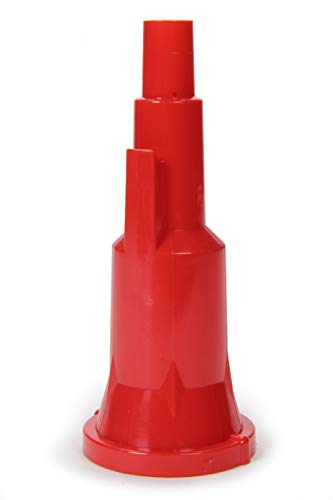 Representative Photo, actual item may vary


 Representative Photo, actual item may vary

What Is a Dry Break Fuel Receptacle?
A dry break fuel receptacle is a specialized valve fitting mounted on a vehicle or piece of equipment that allows fuel to be transferred quickly, cleanly, and without spillage. Dry break technology works on a simple but ingenious principle: a male probe (attached to the fuel source) engages a female receptacle (mounted on the vehicle), and when the two couplings connect, both internal valve seals open simultaneously. When the probe is removed, both valves close in a synchronized sequence, ensuring that not a drop of fuel escapes during disconnect.
This “dry” disconnection — meaning no fluid loss at the moment of separation — is what gives the system its name. Unlike a conventional open-neck fuel filler that relies entirely on operator care to avoid spills, a dry break receptacle makes a clean disconnect automatic and mechanical. The receptacle features a spring-loaded design that automatically closes when the male dry break is removed, preventing fluid loss regardless of how quickly the fueling crew acts.
Why Dry Break Receptacles Matter
In motorsports, every second counts — and so does every drop of fuel. Dry break systems are a cornerstone of professional and amateur racing pit stops, enabling crews to transfer fuel from a dump can, refueling tower, or overhead rig into the car's fuel cell with speed and confidence. Beyond raw speed, these fittings deliver critical safety benefits: they eliminate open-air fuel exposure, reduce the chance of fire-starting spills on hot exhaust components, and keep the pit area clean and compliant with racing series regulations.
Dry break receptacles are not limited to racing, however. They are equally at home in off-road desert racing, karting, closed-course events, and even industrial refueling applications where spill prevention and flow efficiency are paramount. The receptacle mounts directly to an external surface such as a fender or directly onto a fuel cell, providing a dedicated, repeatable fueling point that crews can find and hit quickly under pressure.
What to Look for When Shopping
- Sizing and compatibility: Dry break receptacles and probes must be matched in size. Common sizes include 1.5” and 2” bore. Confirm your probe or dump can fitting matches your chosen receptacle.
- Material and durability: Look for aluminum construction with anodized finishes for corrosion resistance and light weight. Seals and O-rings should be compatible with your fuel type — gasoline, ethanol blends, methanol, or diesel.
- Fuel compatibility: Quality receptacles should be rated for unleaded and leaded gasoline, E85, methanol, and other common racing fuels.
- Mounting style: Some units are designed for remote fender mounting; others bolt directly to fuel cell flanges. Know your installation before purchasing.
- Dust cap inclusion: A dust cap or protective cover is essential to keep debris out of the valve mechanism between fueling events, protecting the dynamic sealing elements.
Top Brands in Dry Break Fuel Receptacles
When it comes to trusted names in this category, Sunoco stands out as a well-recognized brand in the motorsports fueling world. Backed by decades of association with professional racing at the highest levels, Sunoco brings credibility and performance-proven standards to their fuel system components, making their dry break receptacles a go-to choice for teams who demand reliability under race conditions.