


Engine Camshaft Variable Timing Sensor




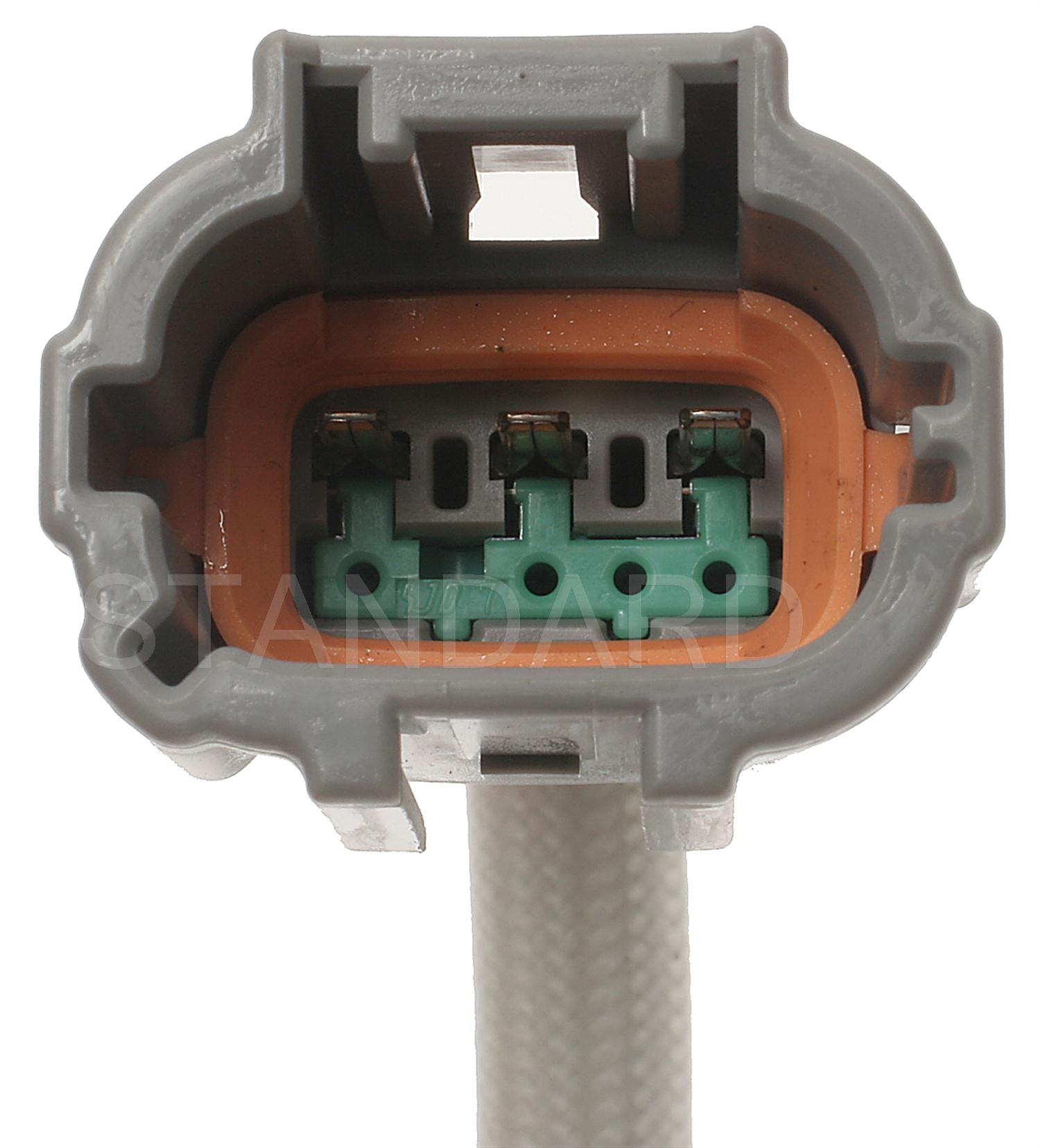 Representative Photo, actual item may vary
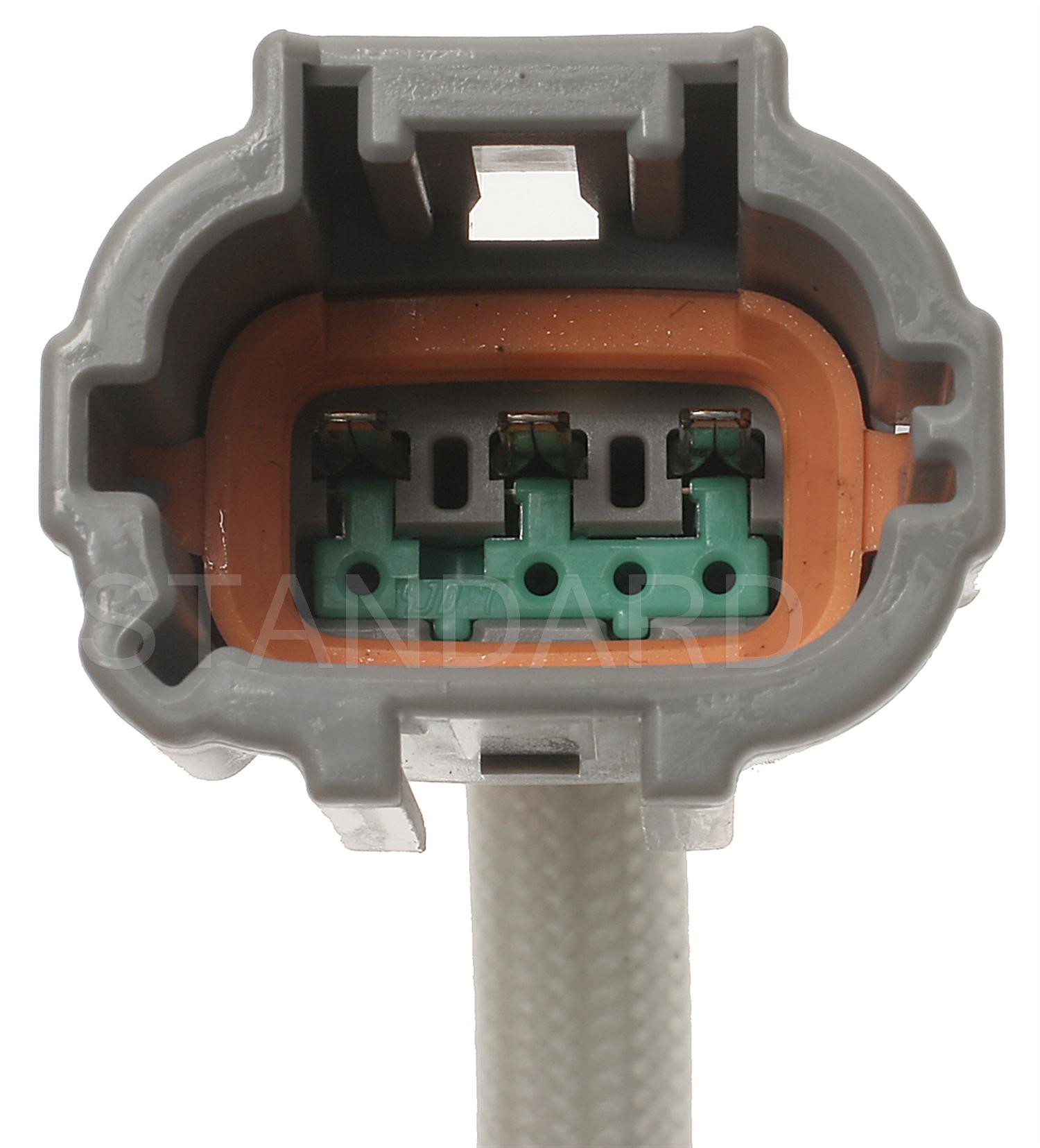 Representative Photo, actual item may vary
What Is an Engine Camshaft Variable Timing Sensor?
Modern engines are remarkably sophisticated machines, and at the heart of that sophistication is variable valve timing (VVT) — a technology that dynamically adjusts when intake and exhaust valves open and close based on real-time driving conditions. The engine camshaft variable timing sensor is the critical feedback component that makes this possible. Without it, the powertrain control module (PCM) would be operating blind, unable to confirm whether the camshaft is actually responding to its timing commands.
The camshaft position sensor works using a Hall effect to generate an electrical signal, which is then transmitted to the ECU. In a VVT-equipped engine, this sensor does more than simply report camshaft position — it continuously feeds live data back to the PCM so the system can verify and correct cam phasing in real time. These sensors measure the relative position of the cam and crank as well as rotational speed and whether they are accelerating or decelerating — and even the slightest delay or inaccuracy can affect timing, impacting engine performance, fuel economy, and emissions.
How Variable Timing Systems Rely on This Sensor
Variable camshaft timing allows for improved engine performance, reduced emissions, and increased fuel efficiency compared to engines with fixed camshafts — using electronically controlled hydraulic valves that direct high-pressure engine oil into the camshaft phaser cavity. The PCM adjusts the camshaft timing depending on factors such as engine load and RPM. The camshaft variable timing sensor is the PCM's eyes in this loop: it confirms the actual cam position so the system can make precise, closed-loop corrections on the fly.
The camshaft sensor is an essential component for engine operation, as it sends valuable data to the ECU for starting and variable valve timing. A worn or failing sensor can throw off the entire VVT system, leading to symptoms like rough idling, poor throttle response, reduced fuel economy, and illuminated check engine lights with cam timing fault codes.
Signs of a Failing Variable Timing Sensor
- Check engine light with camshaft position or VVT-related fault codes
- Rough idle or engine hesitation under load
- Rough idling, engine stalls, or poor fuel economy that worsens with engine temperature
- Difficulty starting, especially when the engine is warm
- Reduced power output or sluggish acceleration
What to Look for When Buying a Replacement
Because the camshaft variable timing sensor operates in a high-heat, high-vibration environment, quality of construction matters enormously. Look for sensors that offer OE-equivalent magnetic circuit design, protection against electromagnetic interference and voltage spikes, and thorough end-of-line testing. Connector type and pin count must also match your specific VVT system — engines with VVT will have a camshaft phaser actuator on the timing cover and a 5-pin connector for the VVT and camshaft sensor, so confirming compatibility with your exact year, make, model, and engine is essential before purchasing.
Top Brands for Engine Camshaft Variable Timing Sensors
Standard Motor Products is one of the most trusted names in automotive sensors. The Standard® and Blue Streak® Camshaft and Crankshaft Position Sensor program features nearly 1,000 SKUs covering more than 250 million vehicles, with sensors engineered for accuracy, speed, and durability. Their variable timing sensors feature advanced signal processing and rigorous environmental testing, making them a go-to choice for professional technicians and serious DIYers alike.
VDO Gauges brings decades of OEM-level engineering to the replacement parts market. VDO has long supplied original equipment components to major automakers, and their camshaft variable timing sensors reflect that heritage — built to tight tolerances for accurate signal output that the PCM can trust.