


Exhaust Manifold with Integrated Catalytic Converter

Dorman 673-748 Manifold Converter - CARB Compliant Catalytic Converter with Integrated Exhaust Manifold

 Representative Photo, actual item may vary
Dorman 679-540 Direct-Fit Federal Pre-Converter Exhaust Manifold with Integrated Catalytic Converter

Dorman 679-071 Manifold Converter - Federal Emissions (Not CARB Compliant)
 Representative Photo, actual item may vary
Dorman 678-548 Driver Side Pre-Converter Catalytic Converter with Integrated Exhaust Manifold - CARB Compliant

AP Exhaust 774143 Direct-Fit OBD-II Exhaust Manifold with Integrated Catalytic Converter


AP Exhaust 774109 OBD-II Direct-Fit Manifold Catalytic Converter

AP Exhaust 774094 OBD-II Direct-Fit Manifold Catalytic Converter - Nissan Frontier / Suzuki Equator 2.5L

AP Exhaust 774075 OBD-II Direct-Fit Manifold Catalytic Converter for Chevrolet Colorado, GMC Canyon & Isuzu i-290


AP Exhaust 774036 OBDII Direct-Fit Exhaust Manifold with Integrated Catalytic Converter

Dorman 673-650 Passenger Side Manifold Converter with Integrated Exhaust Manifold CARB Compliant
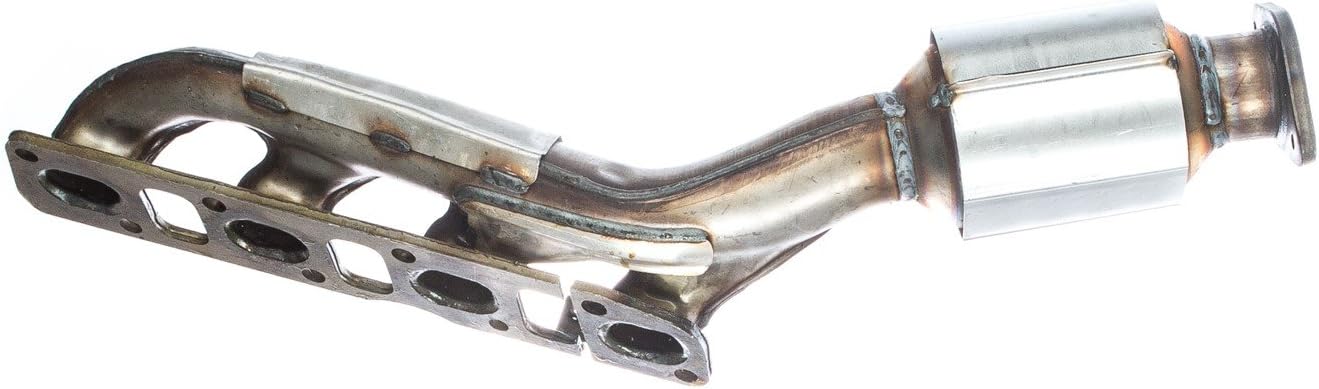 Representative Photo, actual item may vary

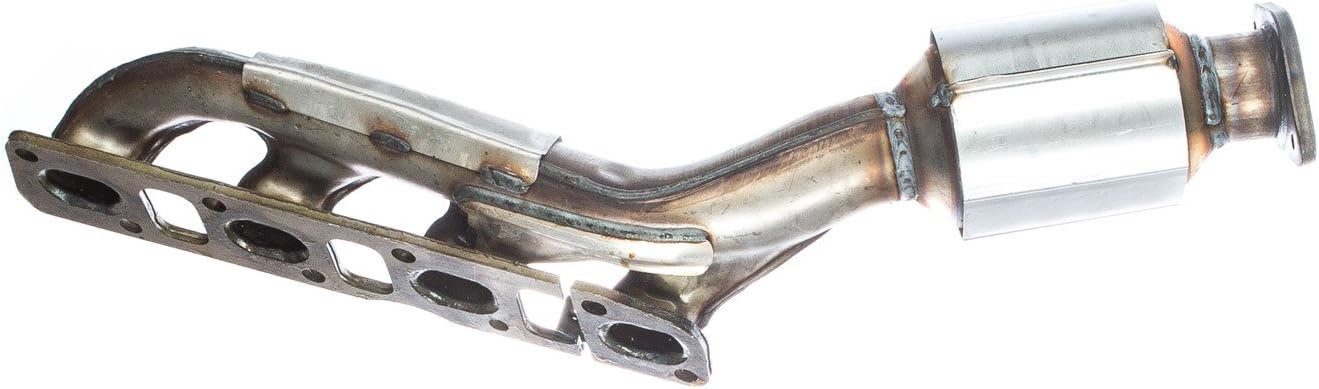 Representative Photo, actual item may vary
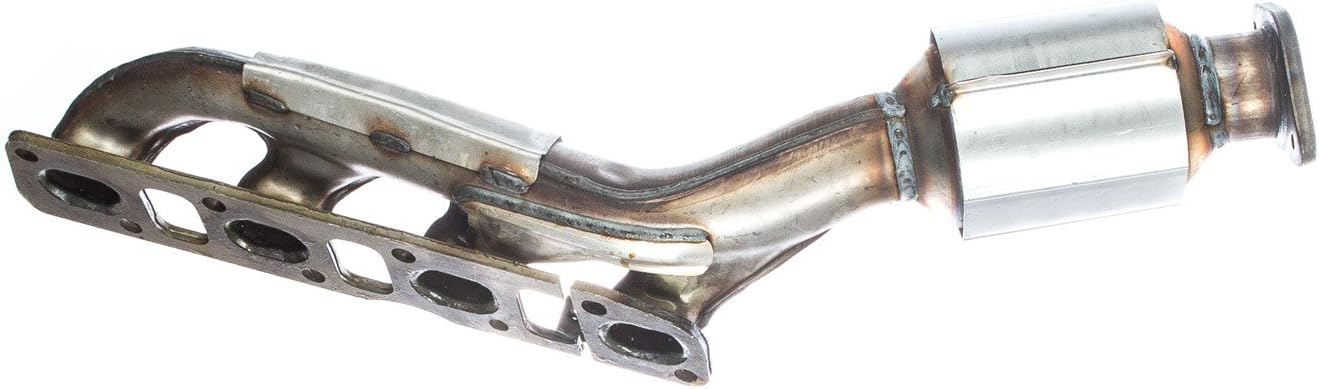 Representative Photo, actual item may vary


ACDelco 25198648 OEM Exhaust Manifold with Integrated Catalytic Converter 1.8L

 Representative Photo, actual item may vary
 Representative Photo, actual item may vary

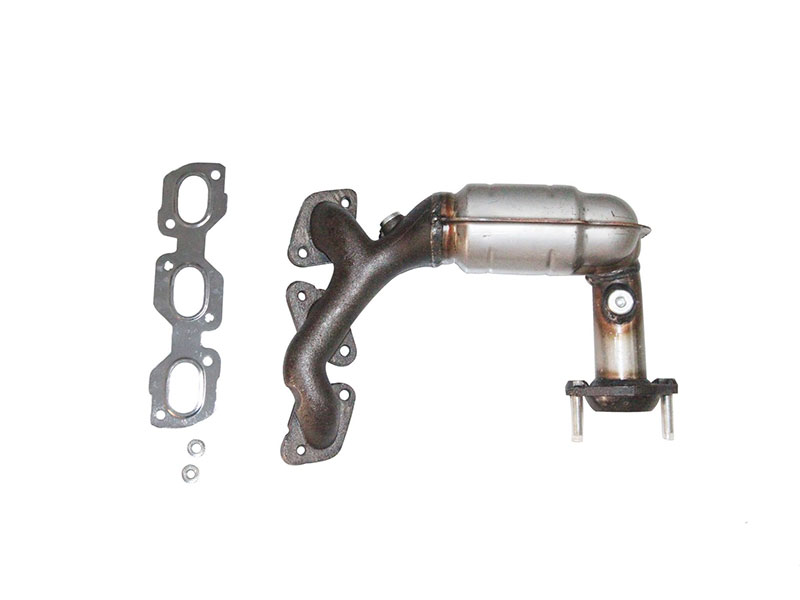 Representative Photo, actual item may vary


Walker Exhaust 84577 CalCat CARB Catalytic Converter with Integrated Exhaust Manifold


Dorman 673-059 Front Manifold Converter CARB Compliant for Honda

Dorman 674-058 Passenger Side Manifold Converter for Toyota (Non-CARB)


Catco 1518 Direct Fit Catalytic Converter with Integrated Manifold


Davico Catalytic 663180 Passenger Side Exhaust Manifold with Integrated Catalytic Converter

Catco 1523 Federal/EPA Direct-Fit Catalytic Converter with Integrated Manifold

Catco 1515 Direct Fit Catalytic Converter with Integrated Manifold

AP Exhaust 840301 CARB Compliant Direct-Fit OBDII Catalytic Converter with Integrated Manifold


AP Exhaust 771170 CARB Compliant OBD II Direct-Fit Catalytic Converter with Integrated Exhaust Manifold
 Representative Photo, actual item may vary


Walker Exhaust 14776 Ultra EPA Direct Fit Catalytic Converter with Integrated Exhaust Manifold
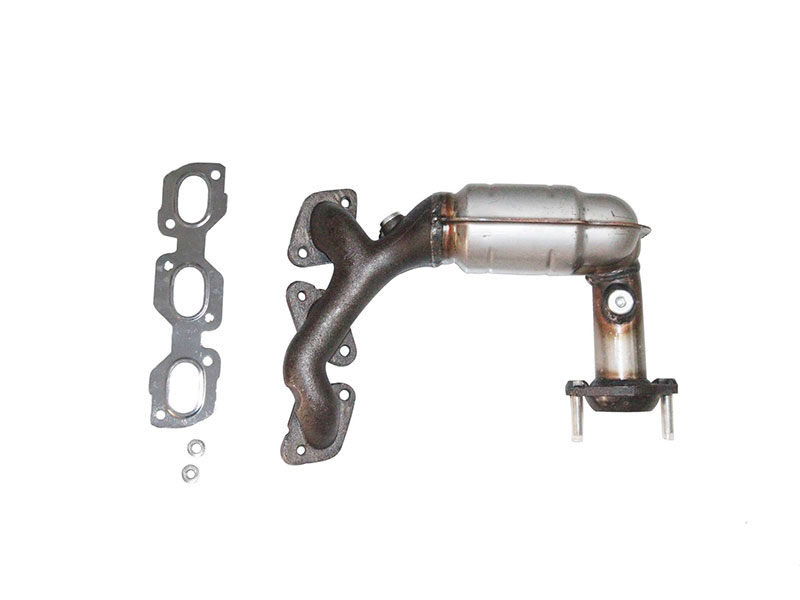 Representative Photo, actual item may vary

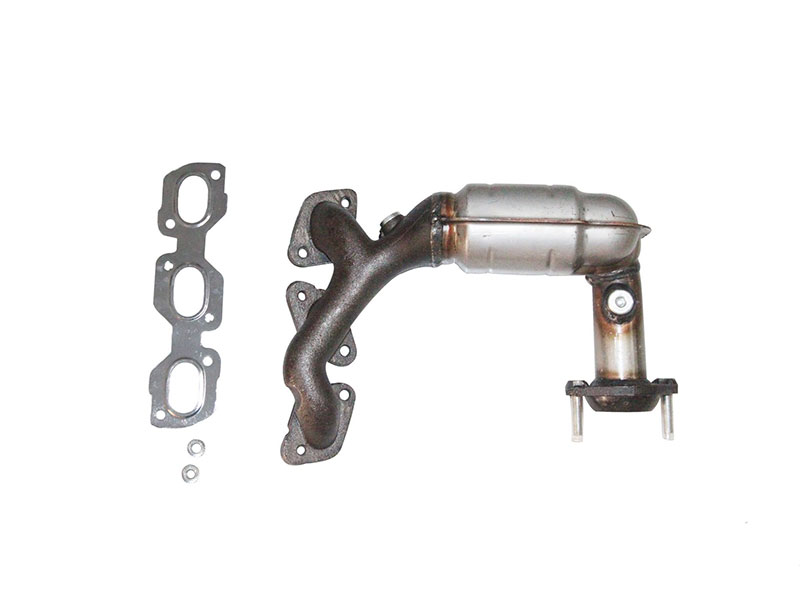 Representative Photo, actual item may vary

AP Exhaust 771144 Direct Fit Catalytic Converter with Integrated Manifold CARB Compliant

Catco 1310 Federal EPA Catalytic Converter Direct Fit Integrated Manifold
What Is an Exhaust Manifold with Integrated Catalytic Converter?
An exhaust manifold with integrated catalytic converter — sometimes called a manifold-cat or direct-fit manifold converter — combines two critical exhaust system components into a single bolt-on assembly. The exhaust manifold collects hot combustion gases exiting the engine's cylinder head, while the catalytic converter uses precious metal catalysts to chemically transform harmful pollutants like hydrocarbons, carbon monoxide, and nitrogen oxides into less harmful compounds before they exit the tailpipe.
By merging these two parts into one unit, manufacturers are able to position the catalytic converter as close to the engine as possible. This proximity means the converter reaches its optimal operating temperature — called light-off temperature — much faster after a cold start, precisely when the most unburned fuel and emissions occur. The result is a more emissions-efficient system compared to traditional downstream converter placements.
Why Does This Design Matter?
Modern engine bays — especially in compact cars, crossovers, and front-wheel-drive vehicles — often lack the real estate for a separate manifold and downstream converter. The integrated design solves this packaging challenge elegantly. Beyond fit, it also reduces the number of gasket seals and pipe joints in the exhaust path, which means fewer potential leak points over the life of the vehicle.
From a maintenance standpoint, these assemblies are typically replaced when the OBD-II system throws a catalyst efficiency code (P0420/P0430 series), when the manifold develops cracks from heat cycling, or when a physical impact damages either component. Because the converter is inseparable from the manifold in these designs, replacing just one isn't an option — the entire unit must be swapped out as a set.
What to Look for When Shopping
- OBD-II Readiness: Choose assemblies engineered to pass emissions testing in your state, including CARB-compliant options where required.
- Direct-Fit vs. Universal: Direct-fit units are designed for specific year/make/model applications and require no cutting or welding, making installation significantly easier.
- Substrate & Catalyst Loading: Higher precious metal loading (platinum, palladium, rhodium) on the internal substrate generally means better long-term conversion efficiency.
- Heat Shields & Hardware: Many quality assemblies include pre-attached heat shields and new mounting hardware, simplifying the job and reducing the risk of stripped studs.
- Warranty Coverage: Federal law requires catalytic converters to carry a minimum emissions warranty — look for manufacturers that meet or exceed those minimums.
Top Brands in Exhaust Manifolds with Integrated Catalytic Converters
Walker Exhaust is one of the most recognized names in the exhaust industry, with decades of experience manufacturing direct-fit catalytic converters and exhaust assemblies. Their integrated manifold-cat units are engineered to meet or exceed OE specifications, making them a go-to choice for both professional technicians and DIY enthusiasts who want a reliable, emissions-compliant repair.
AP Exhaust has built a strong reputation for offering a broad catalog of exhaust components at competitive price points without sacrificing quality. Their exhaust manifold and catalytic converter assemblies are designed for straightforward, direct-fit installation, appealing to shops looking for dependable parts that keep repair times short.
Catco specializes specifically in catalytic converter technology, bringing focused expertise to their integrated manifold converter offerings. Their products are aimed at delivering solid emissions performance and durability for targeted vehicle applications.