


Power Steering Control Module
 Representative Photo, actual item may vary



 Representative Photo, actual item may vary


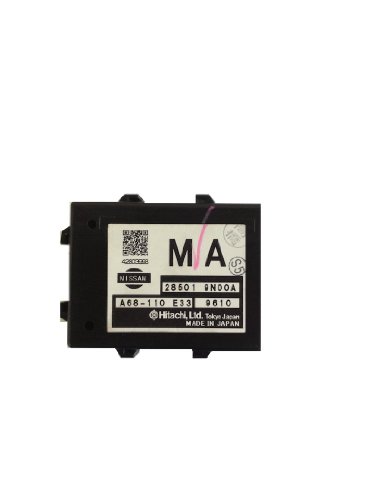 Representative Photo, actual item may vary


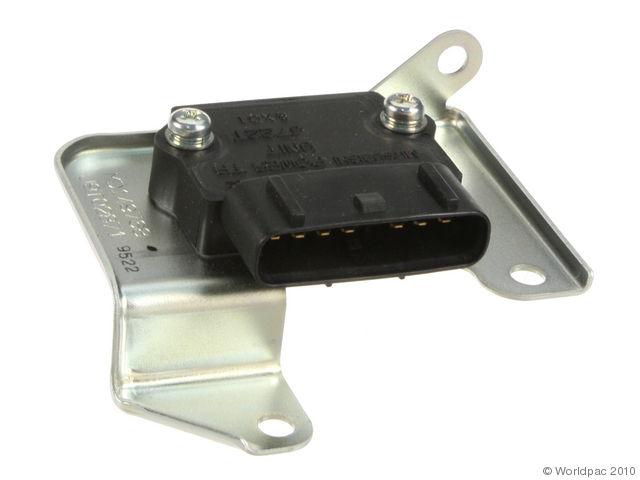 Representative Photo, actual item may vary

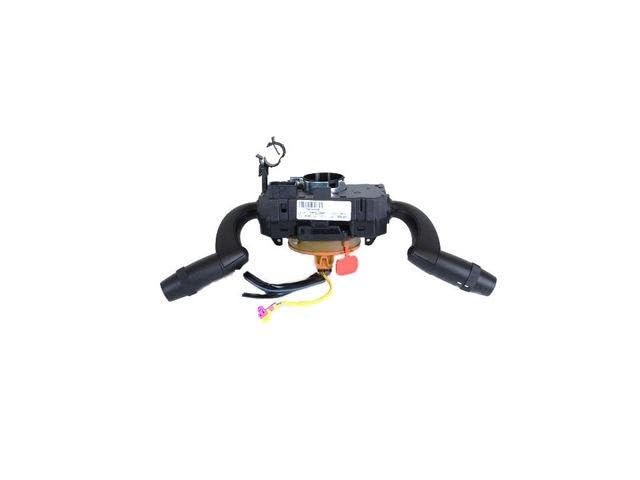 Representative Photo, actual item may vary
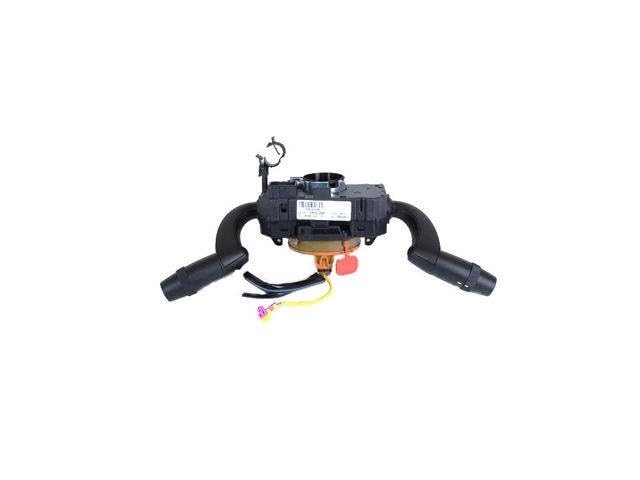 Representative Photo, actual item may vary
 Representative Photo, actual item may vary
What Is a Power Steering Control Module?
The Power Steering Control Module (PSCM) is the electronic brain behind your vehicle's Electric Power Steering (EPS) system. Rather than relying on hydraulic pressure to help you turn the wheel, modern EPS systems lean on this module to make every steering input feel effortless and precise. The PSCM interprets real-time data from sensors to provide the optimal level of steering assistance, constantly calculating how much help the electric motor needs to deliver at any given moment.
How Does the Power Steering Control Module Work?
The PSCM combines inputs such as steering shaft torque sensor, vehicle speed, calculated system temperature, and steering tuning settings to determine the amount of assist required — for example, greater assist is provided at slow-speed parking than during a high-speed lane change — and commands the correct amount of current to the power steering motor.
The EPS control module also communicates with other modules like the ABS anti-lock brake, TCS traction control, and ADAS advanced driver assistance systems over the CAN (Controller Area Network). This tight integration means the PSCM doesn't just handle steering feel — it plays an active role in vehicle safety as a whole.
Beyond basic assist, the PSCM delivers several advanced capabilities:
- The EPS control module can detect and compensate for steering pull, steering nibble, road crown, or heavy side winds by lessening the effect on the steering wheel, reducing driver fatigue.
- It can diminish bump steer, absorb rough road vibrations, aid in centering the steering wheel after a turn, and supply speed-sensitive steering by reducing assist at highway speeds and increasing it during slower parking maneuvers.
- The EPS ECU also sends and receives data for ADAS functions like lane keep assist and automatic parking assist.
Signs of a Failing Power Steering Control Module
Common symptoms of a failing power steering module include a sudden or intermittent loss of power steering assist, an illuminated power steering warning light on your dashboard, unusually heavy steering, or inconsistent steering feel. When the control module senses a problem with the power steering system, it illuminates the EPS warning light on the instrument panel and may deactivate the system, leaving the vehicle without power assist and difficult to steer.
What to Consider When Replacing a Power Steering Control Module
Because the PSCM is deeply integrated with other vehicle systems, replacement requires care. The new PSCM may need to be set up with the powertrain data, body style, tire, and wheel size in addition to calibrating the sensors before the vehicle will operate correctly. In some cases, if the module is replaced or the toe has been changed, the end stops of the steering system must be learned so the motor does not push the rack past the maximum steering angle. Always verify that the replacement module is the correct fit for your specific year, make, and model before installation.
It's also worth noting that EPS is more efficient than hydraulic systems since it only needs to provide assist when the driver is actually steering, rather than rotating a pump constantly — making a properly functioning PSCM critical to both performance and fuel efficiency.
Top Brands in Power Steering Control Modules
When shopping for a replacement PSCM, quality and fit are paramount. Dorman is one of the most trusted names in this category, offering remanufactured power steering control modules engineered to deliver a direct OE replacement. Dorman's power steering control modules are designed to match the fit and function of the original module on specified applications and are engineered for reliable performance and durability — serving as a reliable replacement for original parts that have failed due to heat or vibration.