


Fuel


Industrial Injection 151105 MaxMPG All Season Deuce Juice Diesel Fuel Additive Half Case (6 x 16 oz)


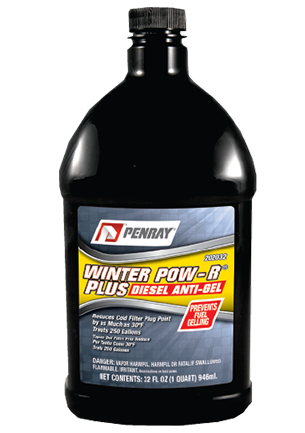 Representative Photo, actual item may vary
 Representative Photo, actual item may vary

 Representative Photo, actual item may vary
TruSouth Oil 301027210180 TruFuel 50:1 Pre-Mixed 2-Cycle Engine Fuel 110 oz
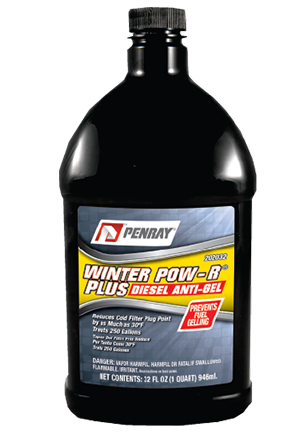 Representative Photo, actual item may vary


 Representative Photo, actual item may vary
Power Service 103092 Diesel Lifeline Emergency Fuel Treatment Half Gallon Case of 6
 Representative Photo, actual item may vary

 Representative Photo, actual item may vary



 Representative Photo, actual item may vary
Truck Performance Pros RDL-KIT44 Redline 85 Plus Diesel Fuel Catalyst 12-Pack (12 x 12oz)


 Representative Photo, actual item may vary

 Representative Photo, actual item may vary


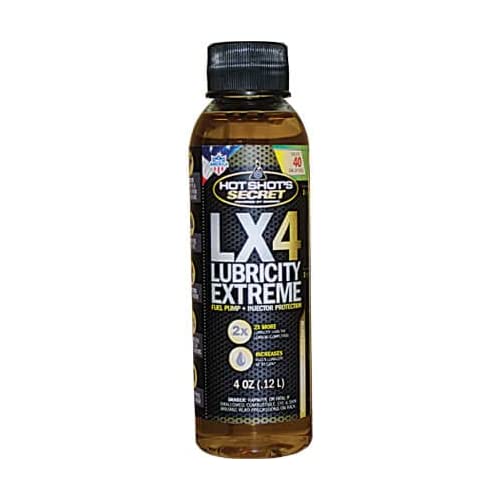 Representative Photo, actual item may vary
Hot Shots Secret P403316ZSP Diesel Winter Anti-Gel 7-in-1 Fuel Booster 16 oz


TruSouth Oil 301027210040 TruFuel 50:1 Pre-Mixed 2-Cycle Fuel 32 oz 6-Pack
Why Quality Fuel and Fuel Treatments Matter
Whether you're pushing a race engine to its limits, storing a boat for the winter, or simply trying to protect a daily driver from the effects of ethanol-blended pump gas, the fuel you use — and what you add to it — has a direct impact on engine health, performance, and longevity. This category covers everything from high-performance racing fuel to fuel stabilizers, enzyme-based treatments, and multi-function additives designed to keep carburetors, injectors, and fuel tanks clean and corrosion-free.
Understanding Fuel and Fuel Additives
Modern gasoline blended with ethanol (E10, E15, and beyond) presents real challenges for engines that weren't originally designed with ethanol in mind — including most marine engines, small engines, powersports equipment, and older vehicles. Ethanol is hygroscopic, meaning it absorbs moisture from the atmosphere, which can lead to phase separation in the fuel tank. When phase separation occurs, water and ethanol drop to the bottom of the tank, leaving behind degraded gasoline that can cause hard starts, rough running, and damage to fuel system components. Fuel treatments and stabilizers are specifically formulated to combat these issues, dispersing water, preventing varnish and gum buildup, and keeping fuel viable during storage or between seasonal uses.
High-octane and purpose-blended racing fuels, on the other hand, serve a different but equally important role — delivering consistent combustion characteristics, higher energy density, and compatibility with modified or high-compression engines that simply can't run reliably on standard pump fuel.
Top Brands in Fuel & Fuel Treatments
VP Racing is one of the most recognized names in the motorsports world, producing a wide range of race-grade and small-engine fuels engineered for consistent performance in demanding applications — from drag racing and circle track to off-road and powersports.
Star Brite is a trusted name in the marine industry, and their Star Tron line of enzyme fuel treatments is a standout product in this category. Star Tron uses a unique enzyme technology to address ethanol-related fuel problems, stabilize fuel for extended storage, and clean the entire fuel delivery system to help engines start easily and run smoothly.
B3C Fuel Solutions specializes in ethanol-related fuel problems, offering products developed specifically for small engines, outdoor power equipment, and seasonal-use vehicles where stale or phase-separated fuel is a common concern.
CRC Industries is a well-established chemical solutions manufacturer with decades of experience in automotive and industrial maintenance. Their fuel system treatments are widely used by professional mechanics and DIYers alike to clean injectors, remove water, and restore fuel system performance.
K100 offers concentrated fuel treatment and conditioner products formulated for both gasoline and diesel engines, with a focus on eliminating water in fuel systems, preventing microbial growth in diesel, and improving combustion efficiency across a wide range of engines.
What to Consider When Choosing a Fuel Product
- Application: Are you treating a marine engine, a powersports vehicle, a diesel, or a race car? Different formulations are optimized for different fuel types and engine designs.
- Storage vs. Active Use: Stabilizers are essential for engines that sit for weeks or months between uses, while performance additives are better suited for engines running regularly.
- Ethanol Compatibility: If your engine uses E10 or higher blends, look specifically for products that address phase separation and moisture absorption.
- Concentration: Concentrated treatments cover more fuel per ounce, making them more economical for large tanks like those found in boats and generators.