


Exhaust Header Gasket







Percy's High Performance 66087 Seal-4-Good Header Gasket Chevy Small Block Round Port


Beyea Custom Headers HG604 Exhaust Header Gasket Set for GM 604 Crate Fast Burn Heads


 Representative Photo, actual item may vary

 Representative Photo, actual item may vary
 Representative Photo, actual item may vary


 Representative Photo, actual item may vary

 Representative Photo, actual item may vary





 Representative Photo, actual item may vary
 Representative Photo, actual item may vary


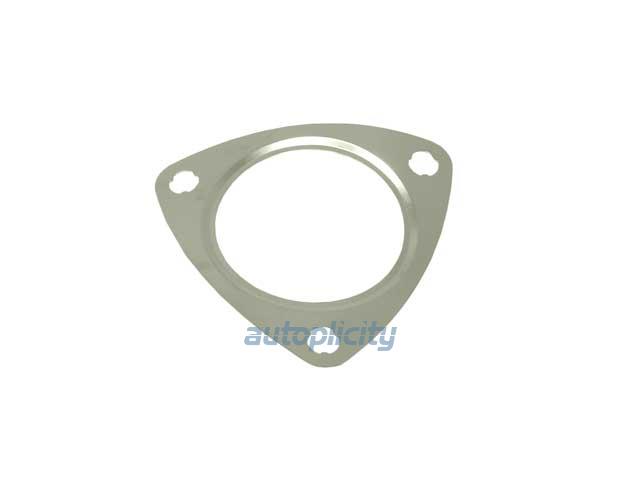 Representative Photo, actual item may vary


What Is an Exhaust Header Gasket and Why Does It Matter?
Exhaust header gaskets are small but critically important seals that sit between the cylinder head and the exhaust header (or manifold), keeping combustion gases flowing in exactly one direction — out of the engine. The gasket seals the surface space between the cylinder head and the beginning of the exhaust manifold, preventing hot gases from accidentally escaping back into the engine. Without a properly functioning gasket, the consequences go well beyond a ticking noise under the hood.
If the header gasket fails, it can lead to an exhaust leak at the head, causing inefficient engine performance, increased emissions, and a noticeable noise from the engine bay. An exhaust leak can cause a false "lean" condition by allowing unwanted oxygen into the exhaust stream, prompting the O2 sensor to adjust the air/fuel ratio to a richer mixture to compensate. In short, one failed gasket can throw off an entire engine's tuning.
Header Gaskets vs. Standard Exhaust Manifold Gaskets
An exhaust header reduces exhaust back pressure compared to cast iron exhaust manifolds by providing a separate exhaust tube for each port on the engine, which increases the flow rate of exhaust and can improve gas mileage, performance, and horsepower. Because of this enhanced performance environment, headers run hotter and vibrate more than other engine components, making header gaskets more susceptible to damage from vibrations and prone to developing leaks more often than a standard exhaust manifold gasket.
Gasket Materials: Choosing the Right One
Not all header gaskets are created equal. Material selection is one of the most important decisions when shopping this category. Exhaust manifold gaskets are typically made from durable materials like multi-layer steel (MLS), ceramic composites, or graphite. A performance car might benefit from the advanced sealing abilities of MLS gaskets, while a daily driver could do well with a fiber option. For turbocharged or forced-induction applications, vehicles with turbocharged or supercharged engines produce higher exhaust pressures that necessitate a gasket that can withstand harsher conditions.
The most important rule is to use header gaskets that match the shape of the tube design on the header flanges — not necessarily the exhaust port shape. Most exhaust gasket failures are caused by header bolts loosening and/or the gasket relaxing after several heat cycles; replacing old header bolts with locking-style bolts can help prevent this.
Top Brands in Exhaust Header Gaskets
Percy's High Performance is a leading brand in this category and a favorite among performance builders. Their flagship Seal-4-Good line is built from multi-layered "dead soft" aluminum or stainless steel that conforms to your headers for the ultimate seal — virtually blowout and burnout-proof, and totally reusable. Percy's has also revolutionized gasket technology by developing a line of exhaust gaskets that can withstand temperatures of over 2,000°F.
Remflex takes a different approach with their 100% flexible graphite construction. Remflex exhaust header gasket sets feature 100 percent flexible graphite construction that's effective up to 3,000 degrees F, far exceeding any vehicle's exhaust system temperature. The unique Remflex material has been proven for over three decades in industrial applications, and the gaskets are designed to crush up to 50 percent, filling uneven header flanges for maximum sealing.
Hedman Hedders is a well-established name in the performance exhaust world, offering header gaskets designed to pair with their own headers as well as a range of aftermarket applications. Their gaskets are built with the same performance-oriented philosophy that has made their exhaust headers a trusted choice for street and strip enthusiasts for decades.
SCE Gaskets is a specialist manufacturer with deep roots in motorsport. SCE copper gaskets are recommended by engine builders for high-performance and racing applications, where the combination of thermal conductivity and crushability of copper provides an exceptionally tight, reliable seal under extreme conditions.
What to Look for When Shopping Exhaust Header Gaskets
- Material: MLS for high-performance builds, graphite for flexibility with uneven flanges, copper for racing applications.
- Port Shape & Size: Match the gasket to your header flange, not just the cylinder head port.
- Reusability: Some premium gaskets can be removed and reinstalled, saving time and cost on future header work.
- Temperature Rating: Ensure the gasket material is rated for your application, especially on forced-induction engines.
- Flange Condition: Before installing headers, verify that they are not warped — there is no header gasket that will cure a warped header flange.