


Cruise Control Amplifier Program Unit
 Representative Photo, actual item may vary

 Representative Photo, actual item may vary
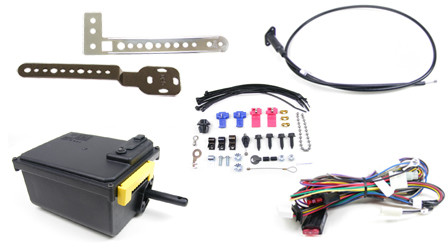 Representative Photo, actual item may vary
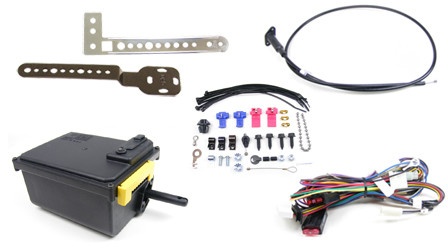 Representative Photo, actual item may vary
 Representative Photo, actual item may vary
 Representative Photo, actual item may vary

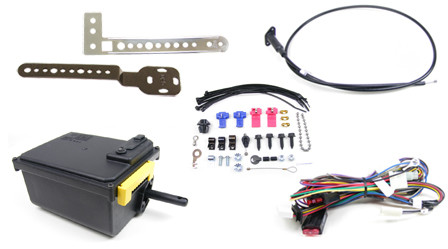 Representative Photo, actual item may vary
 Representative Photo, actual item may vary
 Representative Photo, actual item may vary
 Representative Photo, actual item may vary
 Representative Photo, actual item may vary
 Representative Photo, actual item may vary
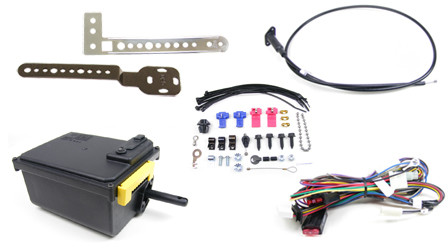 Representative Photo, actual item may vary
 Representative Photo, actual item may vary
Rostra Precision Controls 62-0035 Brake Light Switch, 2-Terminal Bullet Connector
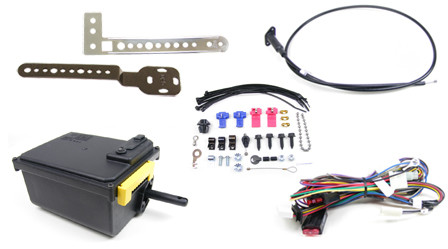 Representative Photo, actual item may vary
 Representative Photo, actual item may vary
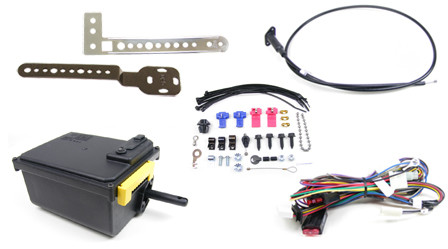 Representative Photo, actual item may vary
 Representative Photo, actual item may vary
 Representative Photo, actual item may vary
 Representative Photo, actual item may vary
 Representative Photo, actual item may vary


 Representative Photo, actual item may vary
 Representative Photo, actual item may vary
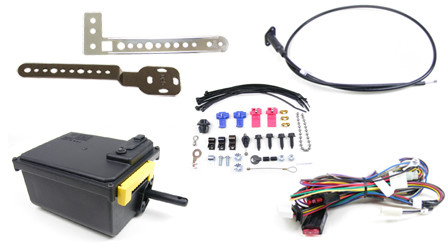 Representative Photo, actual item may vary
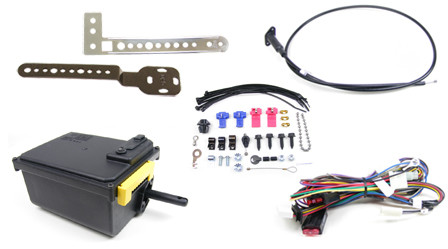 Representative Photo, actual item may vary
 Representative Photo, actual item may vary
 Representative Photo, actual item may vary
 Representative Photo, actual item may vary
 Representative Photo, actual item may vary
 Representative Photo, actual item may vary
 Representative Photo, actual item may vary
 Representative Photo, actual item may vary
 Representative Photo, actual item may vary
 Representative Photo, actual item may vary
 Representative Photo, actual item may vary
 Representative Photo, actual item may vary
 Representative Photo, actual item may vary
 Representative Photo, actual item may vary
 Representative Photo, actual item may vary
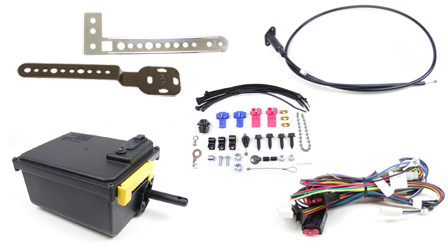 Representative Photo, actual item may vary

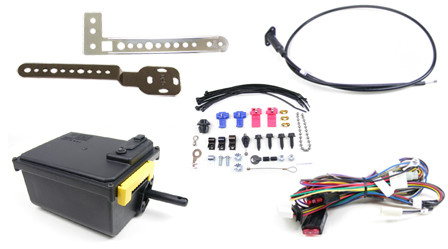 Representative Photo, actual item may vary
 Representative Photo, actual item may vary
 Representative Photo, actual item may vary
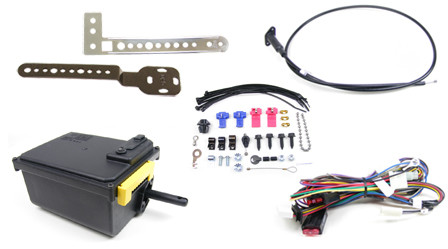 Representative Photo, actual item may vary
 Representative Photo, actual item may vary
 Representative Photo, actual item may vary
 Representative Photo, actual item may vary
What Is a Cruise Control Amplifier Program Unit?
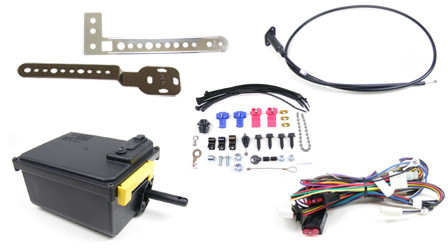
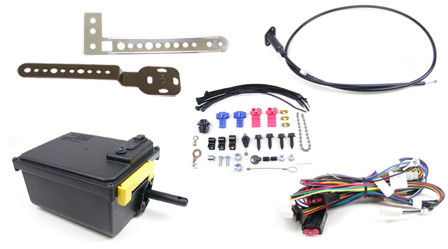
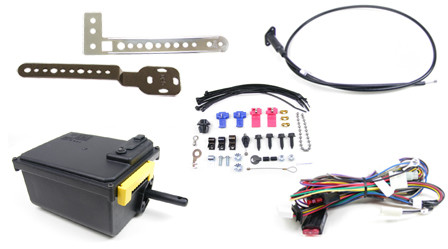
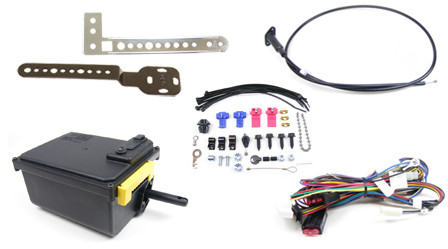
The cruise control amplifier program unit is the electronic brain behind your vehicle's speed-holding system. When you press the set button on the highway, it's this compact control module that captures your target speed, continuously compares it against the vehicle speed sensor signal, and commands the throttle actuator to maintain that exact pace — whether you're climbing a grade or coasting downhill.
The amplifier receives a speed signal generated in the tail shaft of the transmission. Once you hit "accel set," that signal is stored, the cruise control unit engages the solenoid in the actuator and holds the throttle linkage in place — and when the signal changes to a lower frequency, the module commands the actuator to pull the throttle linkage forward and speed the vehicle back up. The result is a seamless feedback loop that keeps your speed locked in without any driver input.
How the Amplifier Fits Into the Cruise Control System
The cruise control system controls speed the same way a driver does — by adjusting the throttle position — but it engages the throttle valve through a cable connected to an actuator rather than by pressing a pedal. Most cars built in the last two decades are "drive-by-wire," meaning the engine control unit simply commands an electric motor to open the throttle plate, with no physical cable involved. In both legacy cable-driven and modern electronic throttle setups, the amplifier program unit serves as the logic center that interprets speed data and translates it into precise actuator commands.
On the cruise control amplifier there are several energy storage devices called capacitors, which store the energy needed to power the circuitry, engage the solenoid, and move the armature. Over time, these components are subject to aging, which is one of the most common reasons a cruise control system begins to behave erratically or fail entirely — making a quality replacement unit essential for restoring factory-level performance.
When Should You Replace the Amplifier Program Unit?
A failing cruise control amplifier program unit can manifest in several ways: the system may refuse to engage, disengage unexpectedly at highway speeds, hunt for speed rather than holding steady, or fail to respond to resume commands after braking. The amplifier, typically found under the dashboard, processes signals — so loose wiring or internal faults are common culprits. Before replacing the unit, it's worth inspecting all related electrical connections, the vehicle speed sensor, the brake light switch, and the stalk controls — but when those check out, the amplifier itself is often the root cause.
Key Considerations When Shopping for a Replacement
- Exact vehicle fitment: Cruise control amplifiers are highly application-specific. Always verify the part number matches your year, make, and model.
- OEM vs. aftermarket: Some aftermarket units offer improved reliability over aging OEM electronics, particularly for older vehicles where factory parts are discontinued.
- Throttle type compatibility: Some systems are designed for older vehicles with cable throttle systems, while others are purpose-built for modern electronic throttle control. Confirm which architecture your vehicle uses before purchasing.
- Complete system integration: The amplifier works in conjunction with the actuator, speed sensor, and control switches — so diagnosing all related components ensures a lasting repair.
Top Brands for Cruise Control Amplifier Program Units
Rostra Precision Controls is the leading name in the cruise control amplifier program unit category. Rostra Precision Controls has been building precision parts for nearly 150 years and has built a reputation as a supplier of cruise control systems, parking assist sensors, backup cameras, and many other parts. Rostra is a leading manufacturer of automotive comfort, safety, and convenience accessories including electronic cruise control systems, vehicle speed limiters, and more. Their comprehensive range of cruise control options includes the Global Cruise line for older vehicles with cable throttle systems and the eCruise line for modern cars with electronic throttle control, making them a go-to source whether you're servicing a classic or a late-model daily driver.