


Valve Stem


Valve Stem TR618A Brass Air Liquid Tubeless Valve for Tractor Agricultural Applications

 Representative Photo, actual item may vary


About Valve Stem
When it comes to one of the most overlooked — yet critically important — components of any wheel and tire assembly, the valve stem is at the top of the list. The Valve Stem brand focuses exclusively on this essential hardware category, offering a focused lineup of tire valve stems and related components designed to keep your tires properly sealed and inflated mile after mile.
What Valve Stems Do and Why They Matter
A valve stem is the small but mighty portal through which you inflate, deflate, and monitor tire pressure. Tire valve stems maintain air pressure and make it possible to inflate or deflate tires, and they consist of a body and cap that protect the core and prevent air pressure loss. Without a properly functioning valve stem, even a perfectly healthy tire can lose pressure gradually — leading to poor fuel economy, uneven tread wear, and potential safety hazards on the road.
Valve stems come in several configurations depending on your application. Rubber snap-in valve stems are the most common type found on everyday passenger cars and light trucks, fitting standard rim hole diameters and providing a reliable, low-cost seal. Metal clamp-in (bolt-in) valve stems are recommended for higher tire pressures and performance applications, offering a more secure, corrosion-resistant fit on alloy, chrome, and specialty wheels. For heavy-duty trucks and commercial vehicles, angled or extended valve stems help technicians reach difficult valve hole positions on large-diameter wheels.
Knowing When to Replace a Valve Stem
Valve stems are often replaced only when a tire is changed, but they can fail on their own schedule. Over time, the rubber on snap-in stems can dry-rot and crack — especially when exposed to road salt, UV rays, and temperature extremes. A worn or damaged valve stem is one of the most common causes of slow tire leaks. Signs it's time for a replacement include a gradual, unexplained loss of tire pressure, visible cracking or deterioration of the rubber body, or a damaged or missing valve cap that has allowed dirt and moisture to work into the core.
The good news is that valve stems are among the most affordable components in automotive maintenance, and replacing them is a straightforward job when performed alongside a tire rotation or new tire installation. It's a small investment that pays dividends in tire longevity and road safety.
Choosing the Right Valve Stem
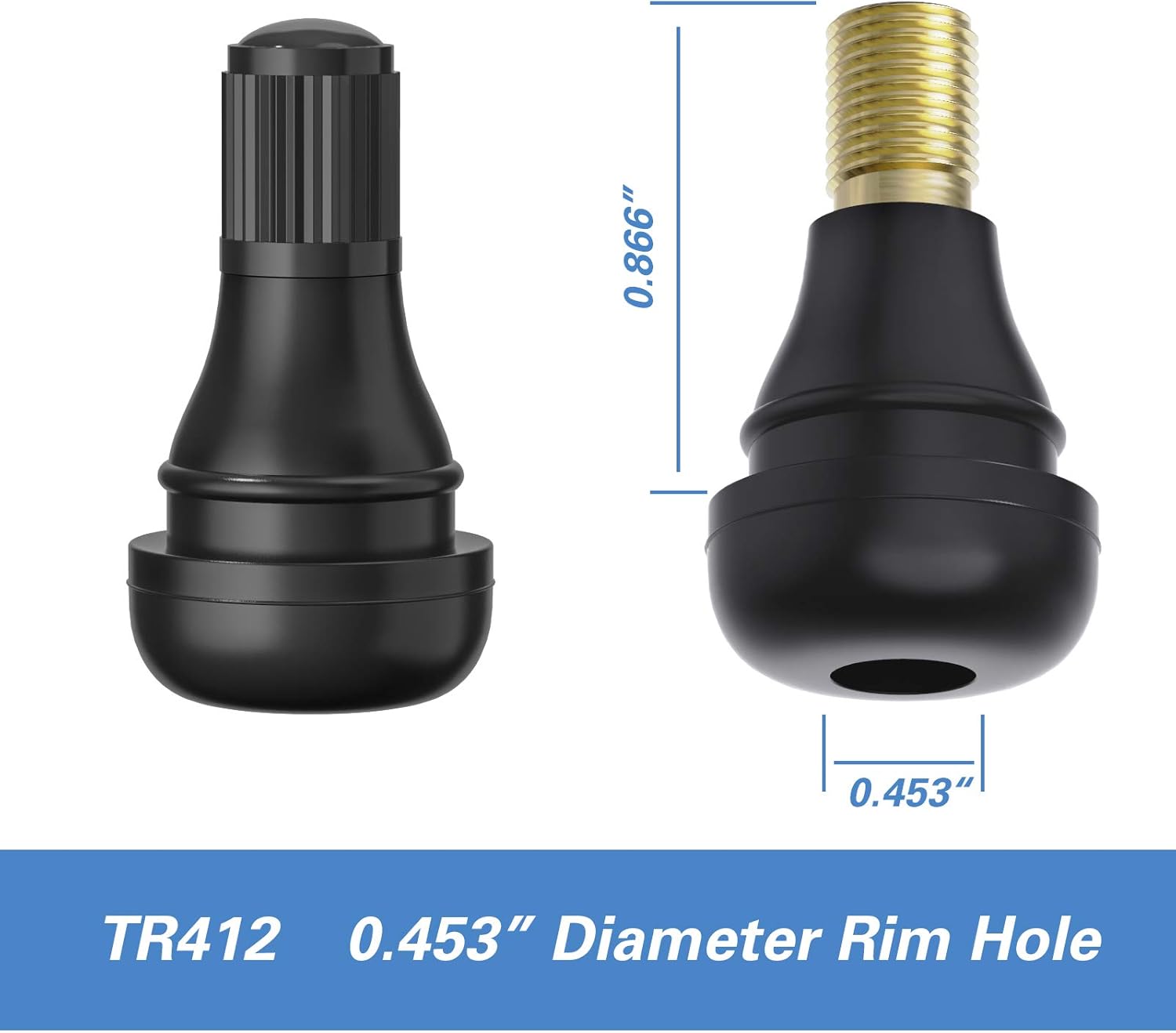
Selecting the correct valve stem comes down to a few key factors: rim hole diameter (most passenger vehicles use a standard 0.453" or 0.625" bore), valve height (to ensure the stem is accessible for inflation), and material (rubber for everyday use, metal or brass for high-pressure or performance applications). For vehicles equipped with a Tire Pressure Monitoring System (TPMS), it's important to use TPMS-compatible valve stems that integrate properly with the sensor hardware already mounted in your wheel.
The Valve Stem brand keeps its catalog focused on the essentials, making it straightforward to find the right valve hardware for a wide range of passenger, light truck, and specialty vehicle applications.