


Alignment Camber / Toe Shim





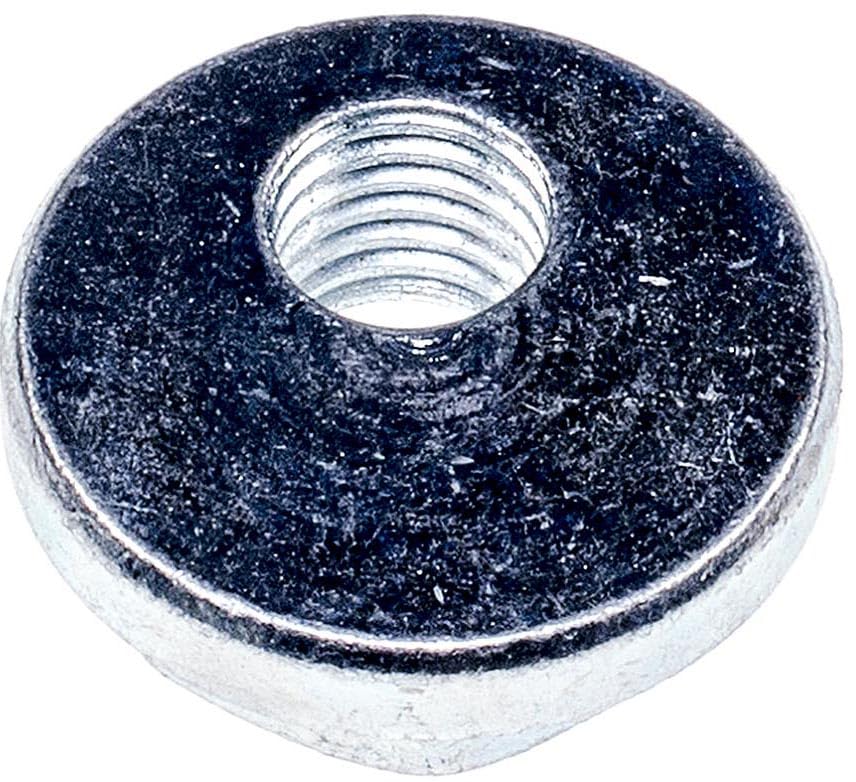 Representative Photo, actual item may vary


What Are Alignment Camber & Toe Shims?
Alignment camber and toe shims are precision-machined or stamped components inserted into a vehicle's suspension system to adjust wheel alignment angles without the need for costly replacement of major suspension components. Placed between control arms, axle housings, spindles, or strut mounting points, these small but critical parts allow technicians — and experienced DIY mechanics — to bring camber and toe measurements back within factory specifications or dial in a custom alignment for performance driving.
Why Alignment Angles Matter
Camber refers to the inward or outward tilt of a wheel when viewed from the front of the vehicle. Toe describes whether the fronts of the tires point toward each other (toe-in) or away from each other (toe-out). When either angle drifts out of spec — whether from worn suspension bushings, minor collision damage, a lifted or lowered ride height, or simple age — the consequences are immediate and measurable: uneven tire wear, pulling to one side, reduced steering response, and compromised braking stability.
Correcting these angles is one of the most cost-effective maintenance tasks a vehicle owner can perform. A proper alignment protects tire investment, improves fuel efficiency by reducing rolling resistance, and restores the predictable, confidence-inspiring handling that the vehicle was designed to deliver.
When Do You Need Camber or Toe Shims?
Shims become necessary in several common scenarios:
- Lifted or lowered suspensions — Changing ride height almost always shifts camber and toe angles beyond the range that factory adjustment allows.
- Worn or replaced suspension components — New control arms, ball joints, or wheel bearings can shift alignment geometry enough to require shimming.
- High-mileage vehicles — Gradual wear across multiple suspension points can accumulate into a significant alignment deviation that factory eccentric bolts can no longer compensate for.
- Track or performance setups — Drivers who want aggressive negative camber for better cornering grip use shims to achieve angles beyond the OEM adjustment range.
Choosing the Right Shim
Shims are available in a range of thicknesses and degree ratings, so matching the correct size to your vehicle's specific geometry is essential. Always verify fitment by make, model, year, and — where applicable — whether your vehicle uses a solid axle or independent suspension. Tapered shims are common for solid-axle rear differentials, while flat plate shims are frequently used at strut and control arm interfaces on independent suspension vehicles.
Top Brands for Alignment Camber & Toe Shims
Moog Chassis Parts is one of the most trusted names in suspension and steering components, with a long-standing reputation for engineering parts that meet or exceed OEM specifications. Moog's alignment shims are designed for precise fitment across a wide range of domestic and import vehicles, making them a go-to choice for professional alignment shops and serious enthusiasts alike.