


Undercar Shield


 Representative Photo, actual item may vary
 Representative Photo, actual item may vary
 Representative Photo, actual item may vary
 Representative Photo, actual item may vary
 Representative Photo, actual item may vary
 Representative Photo, actual item may vary
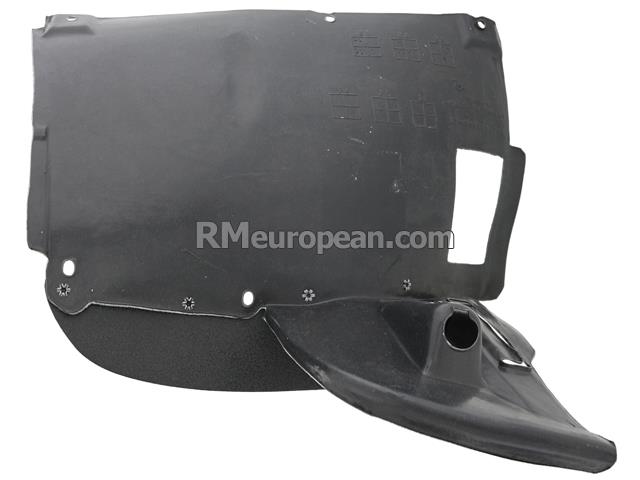 Representative Photo, actual item may vary



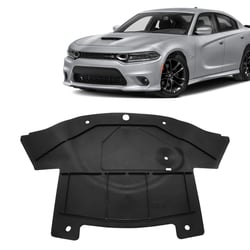

 Representative Photo, actual item may vary

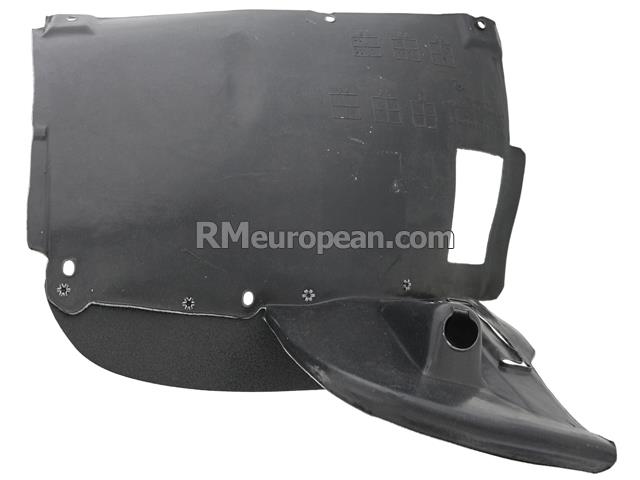 Representative Photo, actual item may vary
 Representative Photo, actual item may vary
Keystone SU1228129 Front Forward Undercar Shield with Insulation Foam, PP Plastic
 Representative Photo, actual item may vary
Keystone KI1228193C Undercar Shield with Insulation for Grand Touring/Landwind
 Representative Photo, actual item may vary
 Representative Photo, actual item may vary
 Representative Photo, actual item may vary


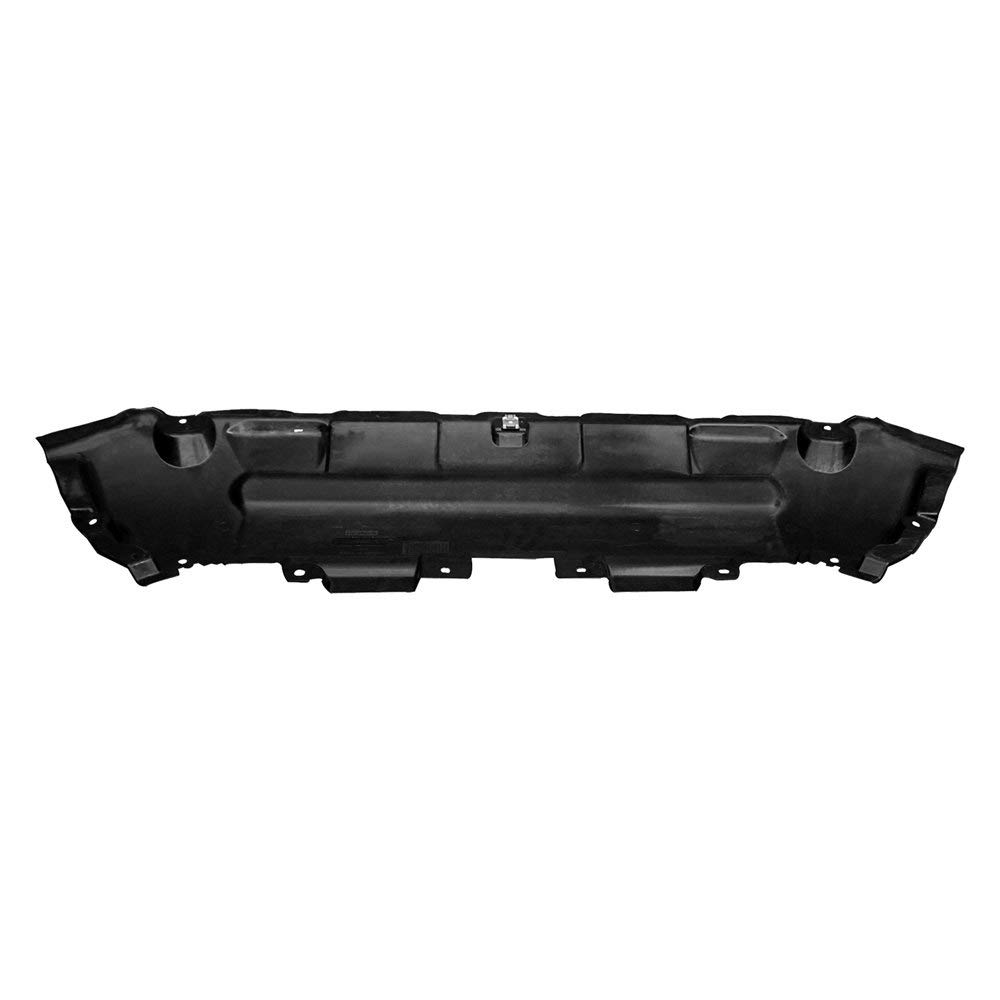 Representative Photo, actual item may vary
Collision Replacement Parts CH1228148 Lower Engine Splash Shield / Under Cover

 Representative Photo, actual item may vary
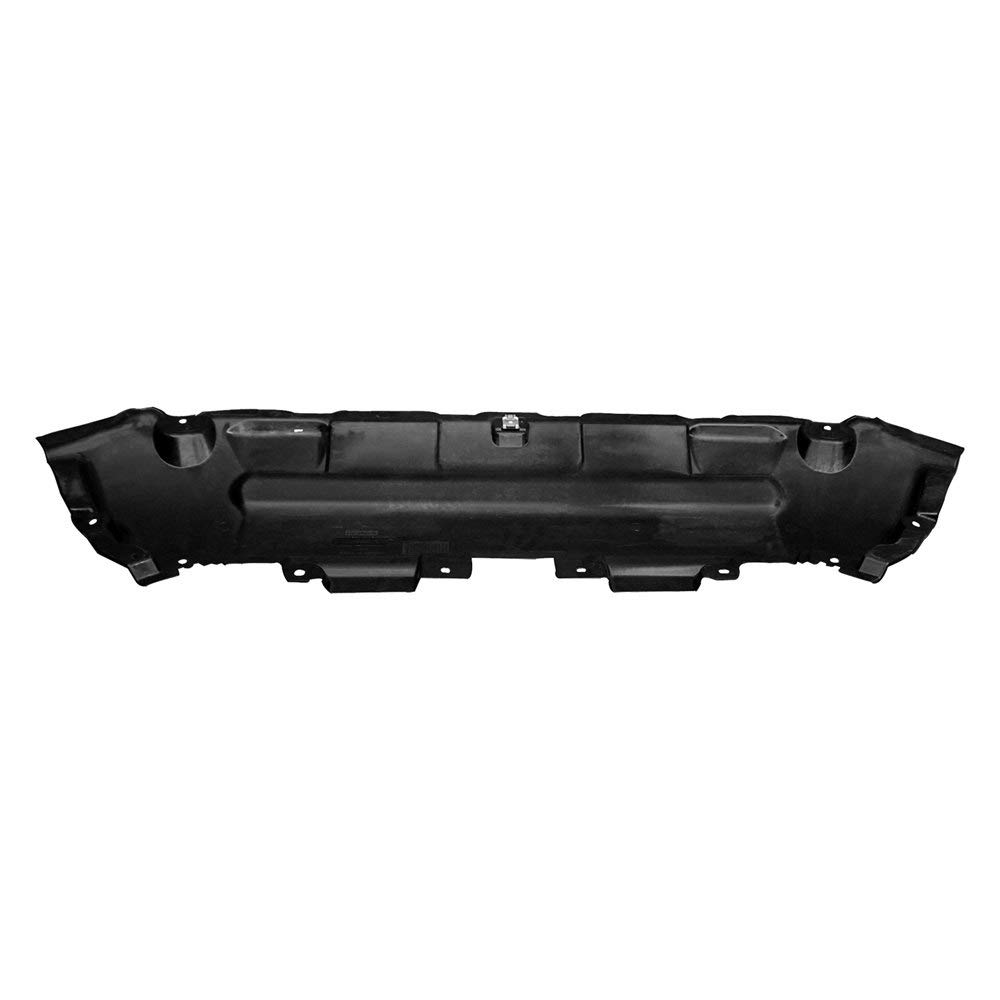 Representative Photo, actual item may vary
 Representative Photo, actual item may vary

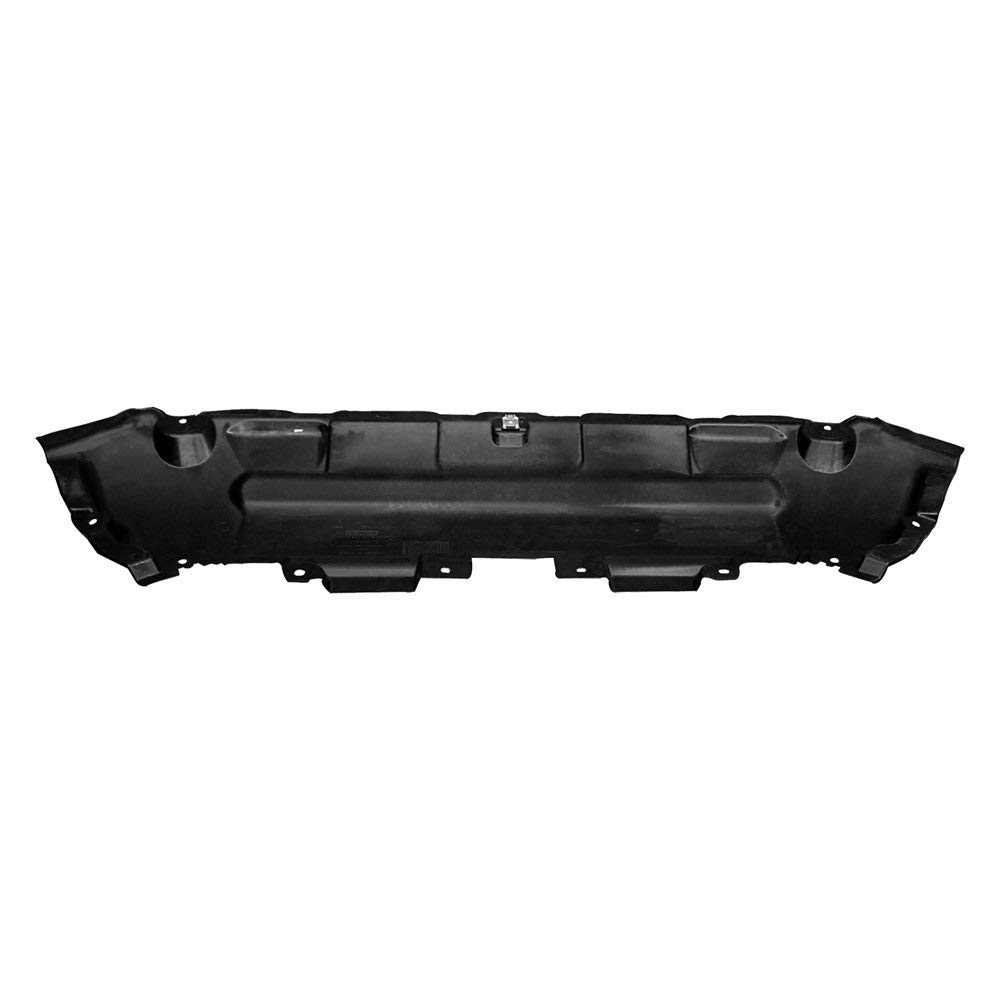 Representative Photo, actual item may vary
Collision Replacement Parts TO1228163 Lower Engine Cover Left Driver Side Undercar Shield
 Representative Photo, actual item may vary
 Representative Photo, actual item may vary
 Representative Photo, actual item may vary
 Representative Photo, actual item may vary
 Representative Photo, actual item may vary


Replacement SET-RM31010049 Engine Splash Shield Set RH & LH 2020-2022 Mazda CX-30


Sherman 0018B-49SQ-0 Lower Engine Cover Rear Pan for Audi Undercar Shield - A4 2.0L
 Representative Photo, actual item may vary
Keystone HY1228193 Front Forward Undercar Shield Without Sport PP Plastic
 Representative Photo, actual item may vary
 Representative Photo, actual item may vary
 Representative Photo, actual item may vary
 Representative Photo, actual item may vary
Keystone MA1228137C Front Forward Undercar Shield Assembly Injection Molded PP
 Representative Photo, actual item may vary

 Representative Photo, actual item may vary

 Representative Photo, actual item may vary
Keystone HY1228204C Undercar Shield for 2.5L Engine - PP Plastic with Glass Fiber


 Representative Photo, actual item may vary
 Representative Photo, actual item may vary

 Representative Photo, actual item may vary
 Representative Photo, actual item may vary
Keystone GM1228178 Front Forward Undercar Shield without Active Aero PP Plastic
 Representative Photo, actual item may vary

 Representative Photo, actual item may vary

 Representative Photo, actual item may vary
 Representative Photo, actual item may vary

 Representative Photo, actual item may vary
Keystone BM1228196C Center Undercar Shield Glass Fiber Reinforced Polypropylene


What Is an Undercar Shield?
Undercar shields — also known as engine splash guards, skid plates, or lower engine covers — are among the most hardworking and least appreciated components on any vehicle. Tucked out of sight beneath the chassis, these panels form a critical barrier between your engine bay and everything the road throws at it. Understanding what they do, and why replacing a damaged one matters, can save you from far more expensive repairs down the road.
What Does an Undercar Shield Protect?
The undercar shield is a panel mounted on the underside of your vehicle's engine, positioned between the engine and the ground. Its primary job is to prevent rocks, nails, water, mud, and road debris from reaching sensitive mechanical components. While the name focuses on the engine, the protection extends well beyond it — the oil pan, transmission, transfer case, and exhaust system all benefit from the coverage a properly fitted shield provides. Without it, these components are exposed to repeated impacts and moisture contamination that accelerate wear and can lead to costly failures.
Beyond debris protection, a well-designed undercar shield contributes to the overall driving experience in ways most drivers never consider. Modern shields are shaped to improve underbody aerodynamics, reducing drag and contributing to better fuel efficiency. They also serve as an acoustic barrier, absorbing road noise and helping to keep the cabin quieter at highway speeds.
Materials and Construction
Undercar shields are commonly made from high-density polypropylene plastic or composite materials engineered to be lightweight yet durable enough to withstand impact, moisture, and temperature extremes. Injection-molded plastic shields are the most prevalent on modern vehicles due to their combination of low weight and adequate rigidity. For more demanding applications — particularly trucks and off-road vehicles — heavier-gauge metal or aluminum shields offer greater resistance to serious impacts.
When to Replace Your Undercar Shield
Because of its exposed location, the undercar shield is designed to absorb the abuse that would otherwise reach critical engine components. Over time — or after a hard impact with a road hazard — shields can crack, sag, or lose their retaining clips, causing them to hang low or fall off entirely. It is worth inspecting the shield at every oil change interval. A damaged or missing shield should be replaced promptly, as even everyday road conditions can expose unprotected components to damaging debris and moisture.
Top Brands for Undercar Shields
When shopping for a replacement undercar shield, choosing a trusted brand ensures a proper fit and lasting protection. Keystone is one of the most widely recognized names in collision replacement parts, offering a broad range of injection-molded undercar shields engineered as direct-fit replacements for a wide variety of makes and models — including popular domestic and import vehicles. For BMW owners who prioritize factory-spec fit and finish, Genuine BMW undercar shields are the OEM choice, manufactured to exact factory tolerances and covering models ranging from the 3 Series to the 5 Series and beyond. Shoppers looking for specialty or hard-to-find fitments may also find options through bbr, which rounds out the selection with additional undercar shield applications.
Choosing the Right Undercar Shield
- Verify fitment by year, make, and model — undercar shields are highly vehicle-specific in shape and mounting points.
- OEM vs. aftermarket — OEM parts guarantee factory fit; quality aftermarket shields offer a cost-effective alternative with comparable protection.
- Check retaining clips — plastic fasteners often break during removal; plan to replace them alongside the shield itself.
- Material considerations — standard plastic shields suit most daily drivers; aluminum or reinforced shields are worth considering for trucks or off-road use.