


Engine Oil Cooler Line


Mishimoto MMSBH-RX8-04K Oil Cooler Line Kit for Mazda RX-8


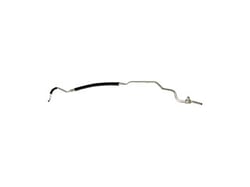




Dorman 625-637 Engine Oil Cooler Hose Assembly Inlet and Outlet


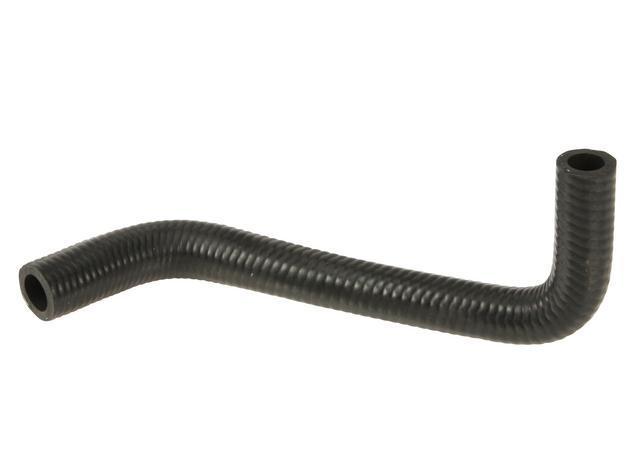 Representative Photo, actual item may vary





Mopar Performance 52028924AH Oil Cooler Pressure Line Tube and Hose Assembly


Cohline 1301870282 Oil Line to Top of Oil Cooler for Mercedes-Benz 280SL


Mishimoto MMSBH-06180-CB -6AN Braided Hose Black Nylon 15ft Oil Cooler Line

Mishimoto MMSBH-RX8-04 Primary Oil Cooler Line for Mazda RX-8 2004-2008

URO LR028136PRM Engine Oil Cooler Pipe Aluminum Upgrade with O-Ring


 Representative Photo, actual item may vary

 Representative Photo, actual item may vary

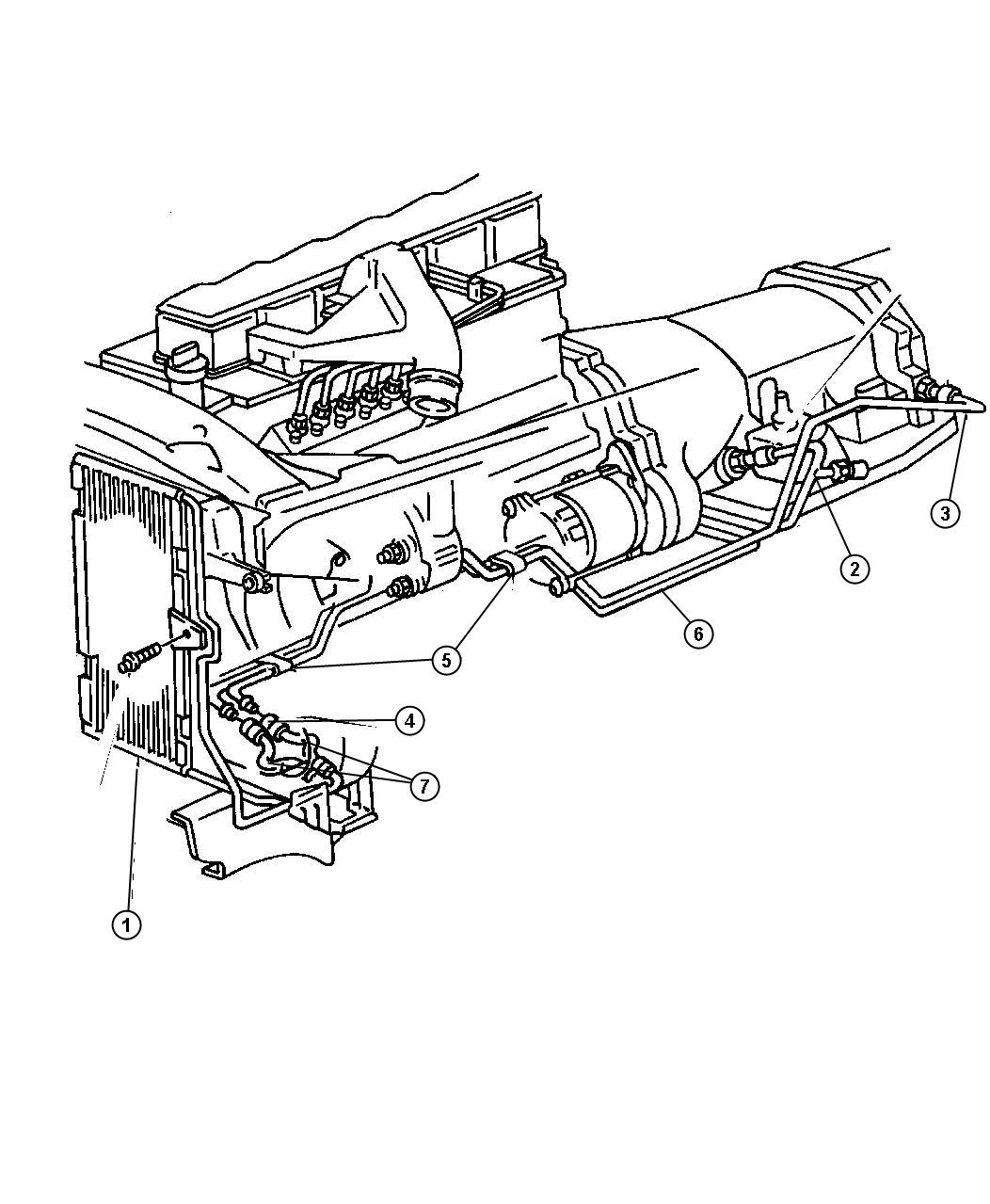 Representative Photo, actual item may vary
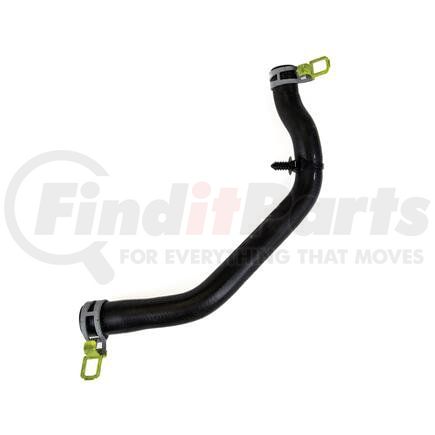 Representative Photo, actual item may vary
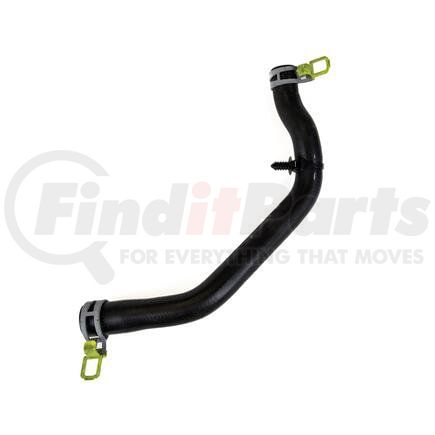 Representative Photo, actual item may vary
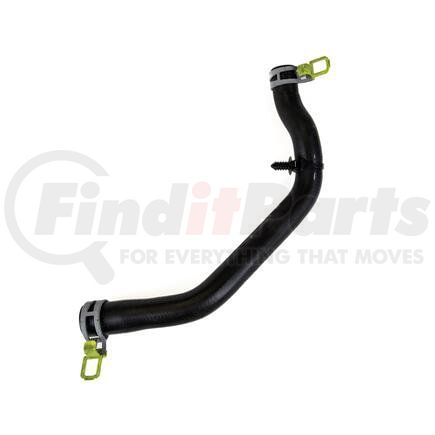 Representative Photo, actual item may vary
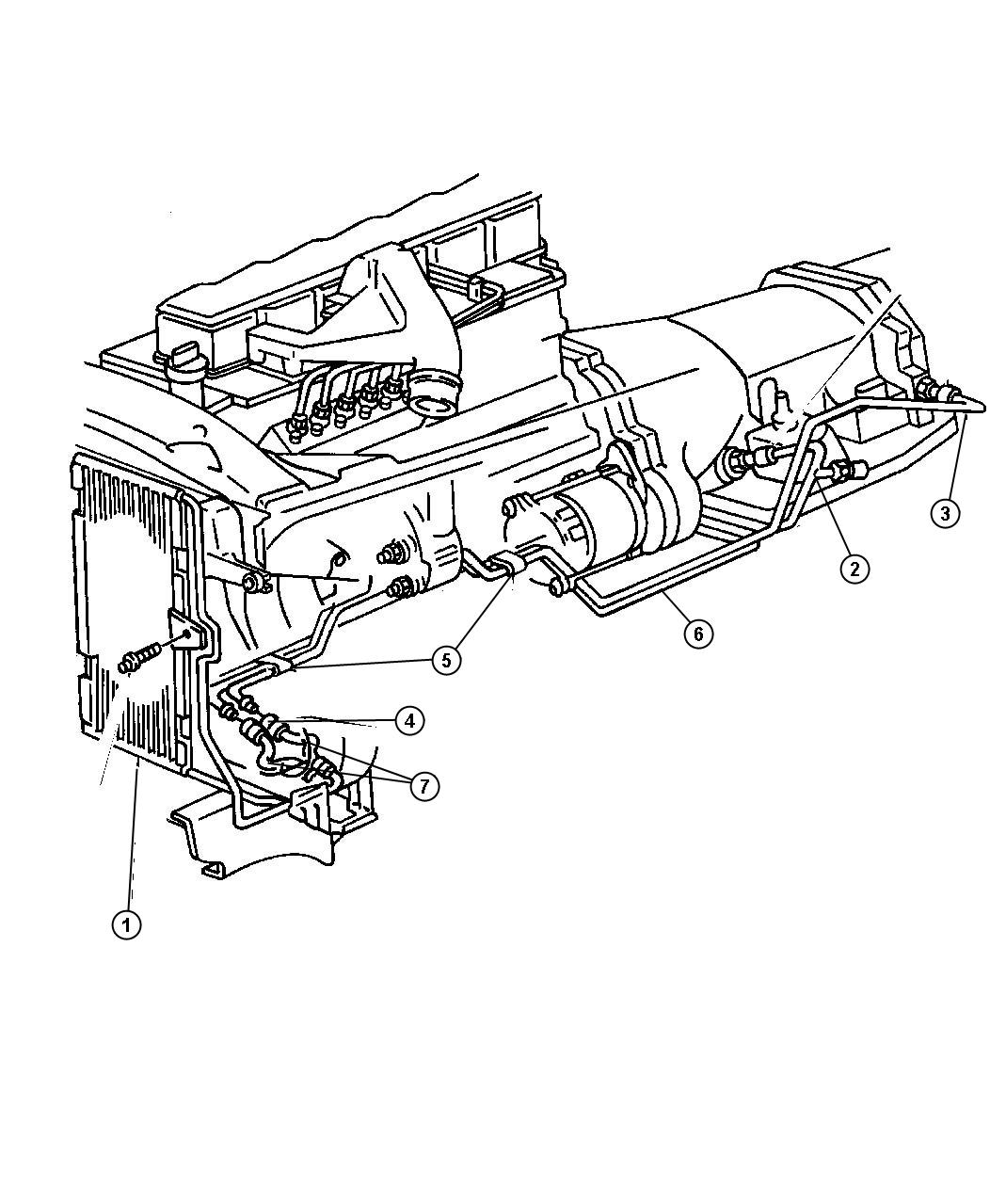 Representative Photo, actual item may vary
 Representative Photo, actual item may vary


Cohline 17-21-1-719-194 Engine Oil Cooler Line Outlet from Oil Filter Housing




 Representative Photo, actual item may vary






 Representative Photo, actual item may vary
What Is an Engine Oil Cooler Line?
An engine oil cooler line is one of those unassuming components that quietly does critical work every time you start the engine. Its primary function is to circulate engine oil from the engine block to the oil cooler and back, helping to regulate oil temperature and maintain it within the optimal operating range. As engine oil lubricates the moving parts inside your engine, it absorbs a tremendous amount of heat. If that heat isn't managed, the oil's viscosity can decrease, leading to reduced lubrication and accelerated internal wear — or worse, catastrophic engine failure.
Think of the oil cooler line as the plumbing that connects your engine's lubrication system to its thermal management system. Hot oil travels out through the line to the cooler, where heat is dissipated, and then the cooled oil is pumped back in to protect bearings, camshafts, pistons, and other critical components. Without intact, properly functioning lines, this continuous cycle breaks down.
Who Needs to Pay Attention to These Lines?
While any vehicle can benefit from a healthy oil cooling circuit, oil cooler lines are especially important for trucks that tow heavy loads, high-performance vehicles, turbocharged engines, and off-road rigs. Vehicles operating under sustained heavy loads generate far more heat than a typical commuter, and that extra thermal stress accelerates wear on oil cooler lines over time. Common failure signs include visible leaks, oil spots beneath the vehicle, or a persistent drop in oil pressure — all signals it's time to inspect and potentially replace the lines.
Oil cooler lines come in a variety of materials, each with its own trade-offs. Steel lines offer excellent durability and resistance for demanding applications, while rubber lines provide flexibility for easier routing. Braided stainless steel lines are considered the gold standard for performance builds, offering superior resistance to abrasion, heat degradation, and high pressure. When replacing lines, always verify compatibility with your vehicle's year, make, model, and engine to ensure the correct hose dimensions, fittings, and routing.
Top Brands in Engine Oil Cooler Lines
Sunsong is a globally recognized manufacturer of fluid transfer hoses serving both the OE and aftermarket segments. Their engine oil cooler line assemblies are preassembled where OE specifications call for it, reducing installation time. Each assembly is engineered to sustain high burst pressure across a wide temperature range and to resist oil, grease, ozone, and other harsh under-hood environments — making them a reliable like-for-like replacement for worn factory lines.
URO Parts is a go-to source for owners of European vehicles seeking quality alternatives to expensive dealership parts. URO develops replacement components that meet or exceed OEM specifications, and all of their manufacturing facilities follow ISO 9000 standards to ensure consistent quality. Their oil cooler lines are precision-formed to match OE dimensions, with correct end fittings for leak-free installation — often at a fraction of the cost of factory parts.
What to Look for When Shopping
- Vehicle fitment: Always confirm compatibility with your specific year, make, model, and engine size before purchasing.
- Material construction: Consider whether OE-style rubber, steel, or braided stainless lines best suit your driving conditions and budget.
- Complete assemblies: Pre-assembled kits that include brackets, clips, and protective sleeves simplify the replacement process and ensure all wear items are refreshed together.
- Pressure and temperature ratings: For performance or turbocharged applications, verify the line's burst pressure and temperature tolerance match your engine's demands.