


Engine Cover Gasket









 Representative Photo, actual item may vary
Athena Clutch Cover Gasket Kit


 Representative Photo, actual item may vary
NTP Engine Cover Gasket


Cometic C9145F1 Primary Cover Gasket for Harley-Davidson Big Twin
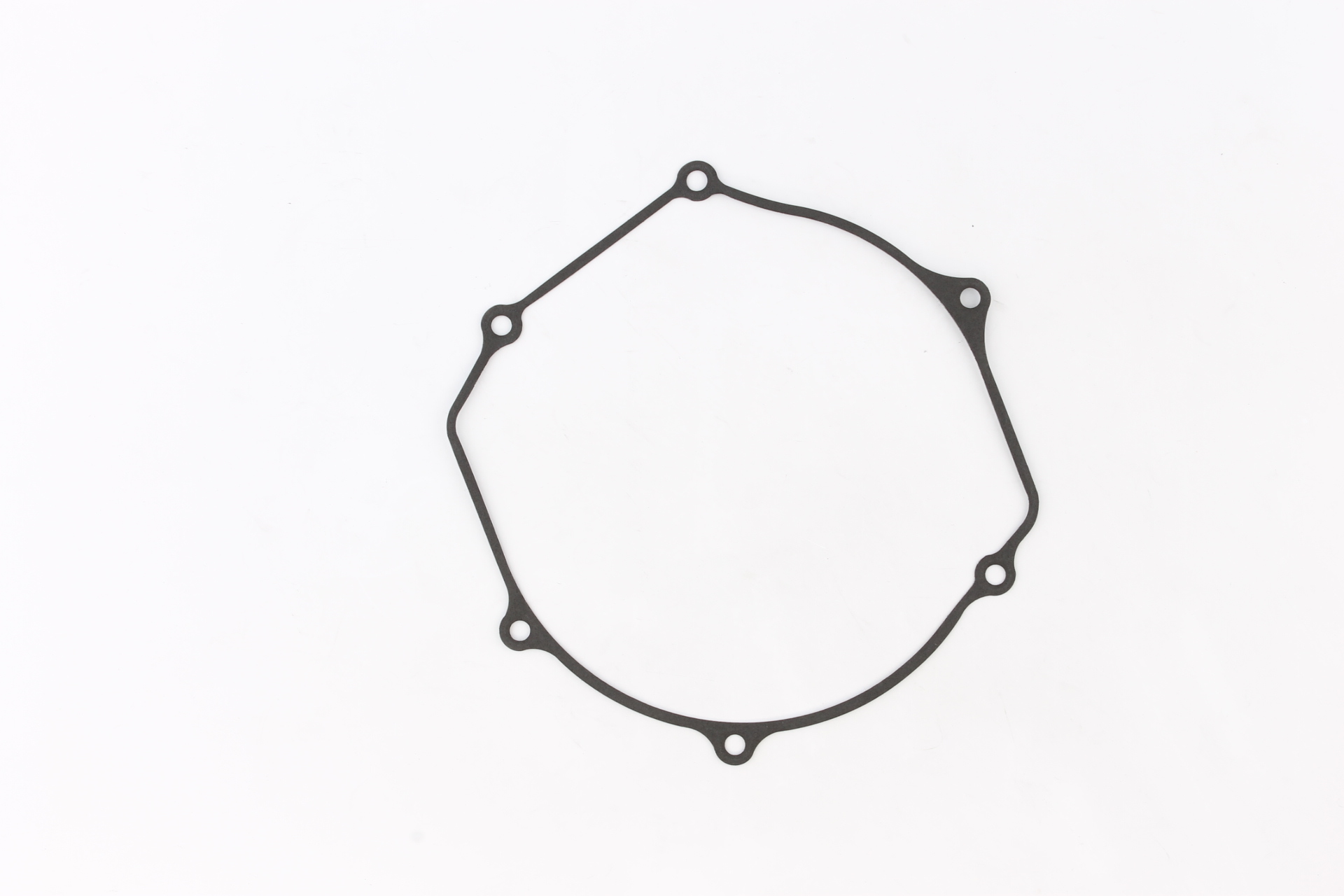 Representative Photo, actual item may vary
Cometic C10198F5 Primary Housing Gasket for Harley-Davidson Engines - M8 5 Pack


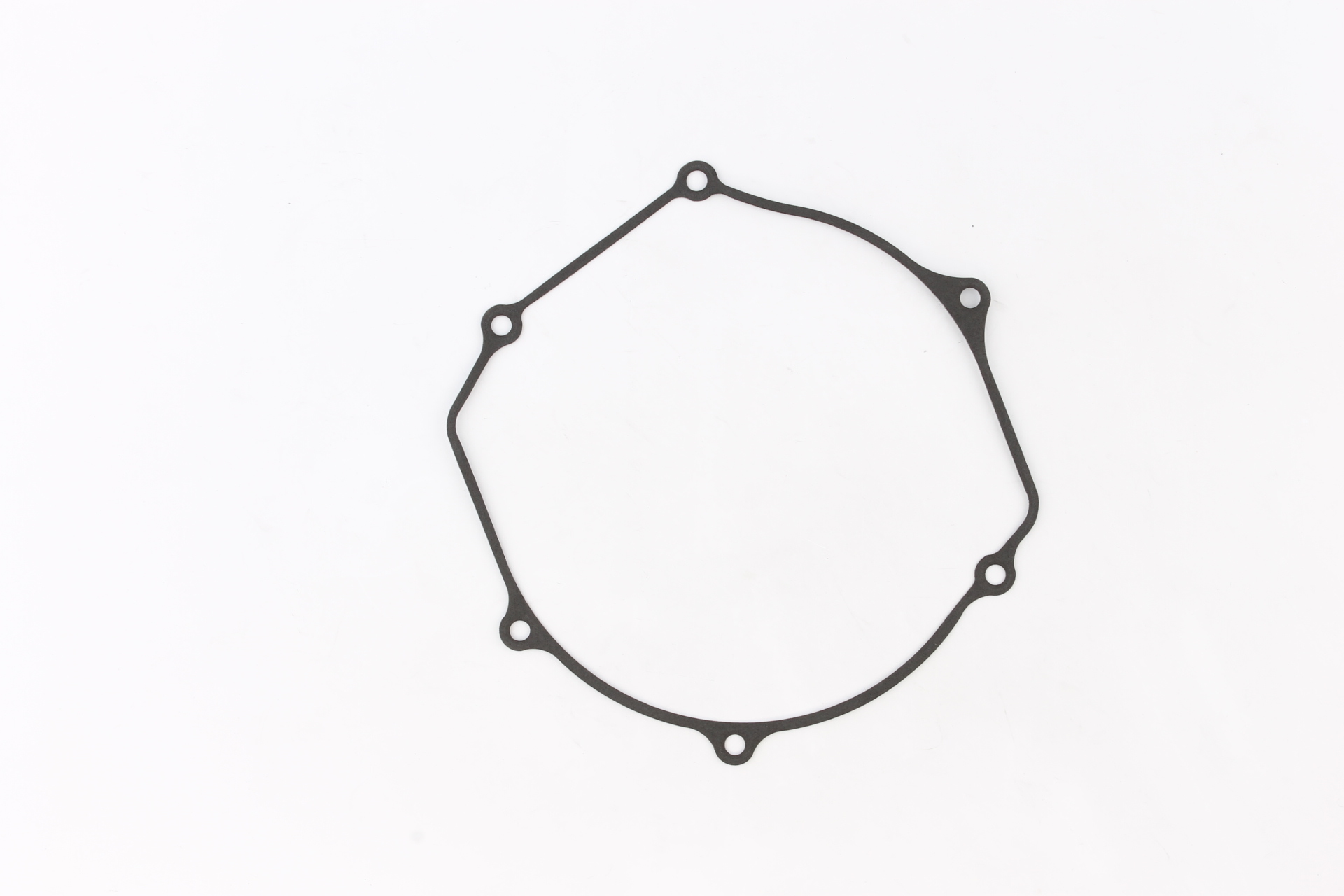 Representative Photo, actual item may vary
Cometic C9319-1 Clutch Hub Cover Gasket for Harley-Davidson 1954-1970 900 KH/XL/XLH


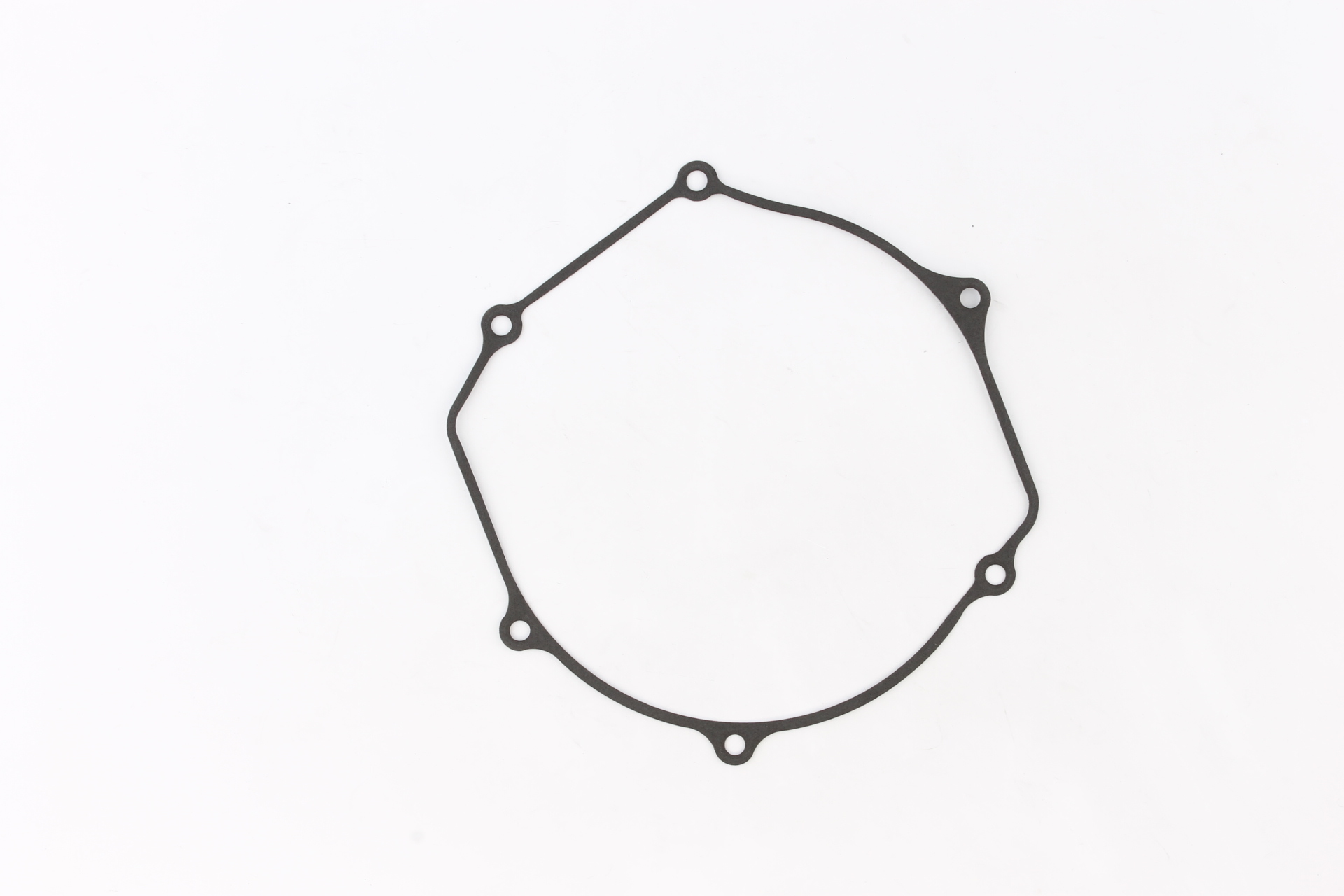 Representative Photo, actual item may vary


Cometic C4179-032 Oil Filter Housing Gasket for Jaguar XK6 3.4L
 Representative Photo, actual item may vary
 Representative Photo, actual item may vary
 Representative Photo, actual item may vary
 Representative Photo, actual item may vary


What Is an Engine Cover Gasket?
An engine cover gasket is a precision sealing component positioned between an engine cover — such as a valve cover or timing cover — and the underlying engine surface it protects. Its primary job is to create a leak-free barrier that keeps motor oil contained within the engine while simultaneously preventing dirt, dust, and debris from infiltrating the sensitive components beneath the cover.
Think of the engine cover gasket as the guardian of your valvetrain. Beneath the valve cover, components like rocker arms, valve springs, and camshafts operate in a continuous mist of hot oil. As Fel-Pro explains it, engine cover gaskets must withstand the stress of engine surfaces expanding, shrinking, and warping — all while maintaining a reliable seal.
Why Engine Cover Gaskets Matter
Despite its modest size, the engine cover gasket serves several critical functions that directly affect engine health and longevity:
- Oil Containment: It keeps motor oil inside the top of the engine where it lubricates camshafts and valves, preventing external leaks and oil loss.
- Contamination Prevention: It stops road grime, dust, and moisture from entering the delicate valvetrain components.
- Vacuum Maintenance: On engines with a PCV (Positive Crankcase Ventilation) system, the cover gasket helps maintain proper internal vacuum pressure, which is vital for engine efficiency.
- Spark Plug Protection: On many overhead cam engines, the valve cover gasket also seals the spark plug tubes, preventing oil from fouling the plugs and causing misfires.
Over time, the constant cycles of heating and cooling cause gasket materials to harden, crack, or lose their flexibility. When an engine cover gasket fails, the consequences can range from a burning oil smell (as leaking oil contacts the hot exhaust manifold) to engine misfires, low oil levels, and — in serious cases — accelerated wear on internal components from insufficient lubrication.
Symptoms of a Failing Engine Cover Gasket
Catching a failing gasket early can save significant time and money. Watch for these telltale signs:
- Visible oil seeping or pooling around the perimeter of the engine cover
- A burning oil odor, especially after the engine has warmed up
- Oil residue or dark sludge buildup on the exterior of the valve cover
- Engine misfires or rough idling, particularly if oil has leaked into the spark plug wells
- Gradually dropping engine oil level between oil changes
Choosing the Right Engine Cover Gasket
Not all engine cover gaskets are created equal. Material matters: modern gaskets are typically manufactured from rubber, silicone, or cork composites, each with different characteristics for sealing and heat resistance. When replacing an engine cover gasket, always clean the mating surfaces thoroughly, use a torque wrench to tighten bolts to manufacturer specifications, and work on a fully cooled engine. Overtightening is one of the leading causes of premature new gasket failure.
Top Brands in Engine Cover Gaskets
When it comes to engine cover gaskets, Fel-Pro stands in a class of its own. Founded in 1918 and boasting over a century of gasket engineering expertise, Fel-Pro has earned the well-deserved title of The Gaskets Professionals Trust™. The brand's engine cover gaskets are engineered specifically for the repair environment — meaning they're designed to seal reliably even on imperfect, aged, or slightly warped surfaces that are common in real-world repair scenarios. Technologies like PermaDryPlus® eliminate the guesswork of RTV application on select applications, making installation cleaner and more consistent for both professional technicians and DIY mechanics alike.