


Battery Charging Cable


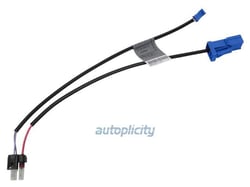
Genuine BMW 61-12-9-123-571 Adapter Lead for IBS Negative Battery Cable


 Representative Photo, actual item may vary
 Representative Photo, actual item may vary

 Representative Photo, actual item may vary

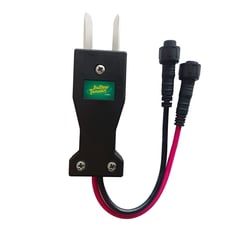
Battery Tender 081-0203-EZ PowerPlus 36V DC Plug Accessory Cable for E-Z-GO Golf Carts


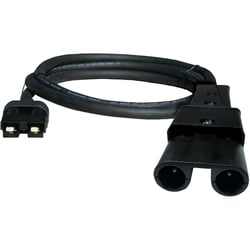
 Representative Photo, actual item may vary

 Representative Photo, actual item may vary


 Representative Photo, actual item may vary
Tecmate O-11X4 OptiMate Weatherproof Battery Lead with 5/16" Ring Terminals 4-Pack
What Are Battery Charging Cables?
Battery charging cables are the essential link between your battery and its charger, maintainer, or power source. Whether permanently mounted under a seat, routed through a boat's hull, or clipped directly to terminals for a quick top-off, the right charging cable ensures safe, efficient, and reliable power transfer. A poor-quality or mismatched cable can introduce resistance, heat, and even safety hazards — making this a seemingly simple component that deserves careful attention.
Why the Right Charging Cable Matters
Not all battery charging cables are created equal. Key factors to consider include wire gauge (AWG), connector type, fuse rating, insulation material, and environmental durability. A heavier-gauge cable handles higher current without overheating. Weather-protected connectors and flexible insulation become critical in powersports and marine environments, where temperature extremes and moisture are constant concerns. Many charging cables are also designed to remain permanently connected to the battery, with a quick-disconnect end that pokes out from a fairing, seat, or hull panel — making routine maintenance charging fast and effortless.
Connector Standards: SAE, Ring Terminals, and More
The most widely used connector standard in powersports and automotive charging is the SAE two-pin plug, which allows a charger to snap on and off in seconds without touching the battery terminals directly. Ring terminal leads offer a permanent, secure bolt-on connection at the battery posts, while eyelet-style leads with oversized contact surfaces are common in heavy-duty automotive and marine applications. Understanding which connector system your charger uses is the first step in choosing a compatible cable.
Top Brands in Battery Charging Cables
Tecmate (OptiMate) is one of the most trusted names in powersports charging accessories. Their OptiMate battery leads feature weather-protected SAE connectors and insulation rated for use down to extreme sub-zero temperatures, making them ideal for motorcycles, ATVs, and other powersports vehicles that sit for extended periods. Tecmate cables are engineered as direct companions to their OptiMate charger lineup, ensuring a seamless, reliable connection every time.
NOCO Genius brings the same precision engineering to their charging accessories that has made their Genius smart chargers an industry standard. Their X-Connect system offers a modular ecosystem of extension cables, eyelet terminals, clamps, and adapters that can be mixed and matched to suit virtually any charging application — from passenger cars to commercial vehicles.
Minn Kota is the go-to brand for marine battery charging solutions. Their onboard charger extension cables are purpose-built for boats, offering 12AWG wire, UL-listed WAGO Wall-Nut quick connectors, and fused 30-amp positive and negative leads — ideal for reaching battery compartments tucked into the bow, center, or transom of larger fishing rigs.
Standard Motor Products brings decades of OEM-grade electrical component expertise to the battery charging cable category, offering dependable solutions designed to meet demanding factory-equivalent standards for automotive applications.
SP Connect rounds out the lineup with innovative connectivity solutions suited to modern powersport and mobile charging needs, complementing their broader ecosystem of mounting and power accessories.
Choosing the Right Battery Charging Cable
- Match the connector type to your charger — SAE, ring terminal, or proprietary quick-connect.
- Check the wire gauge — heavier gauge (lower AWG number) handles more current safely.
- Consider the environment — marine and powersports applications benefit from weather-sealed, flexible insulation.
- Look for inline fuse protection — especially on permanent leads, a fuse protects both the cable and the battery from fault conditions.
- Measure the run length — extension cables help when charger placement is far from the battery bank.