


Glove Box


Crown Automotive J5752279 Inner Glove Box Compartment 1972-1986 Jeep CJ


IAP 113857131M Non-Locking Glove Box Latch for Classic VW Beetle Bus Ghia



IAP 111857131 Glove Box Latch Catch Classic VW Beetle Ghia Type 3

IAP 111857101K Glove Box ABS Plastic VW Beetle Super Beetle


 Representative Photo, actual item may vary

 Representative Photo, actual item may vary
Genuine Porsche 955-552-127-01 Glove Box Latch Assembly


 Representative Photo, actual item may vary

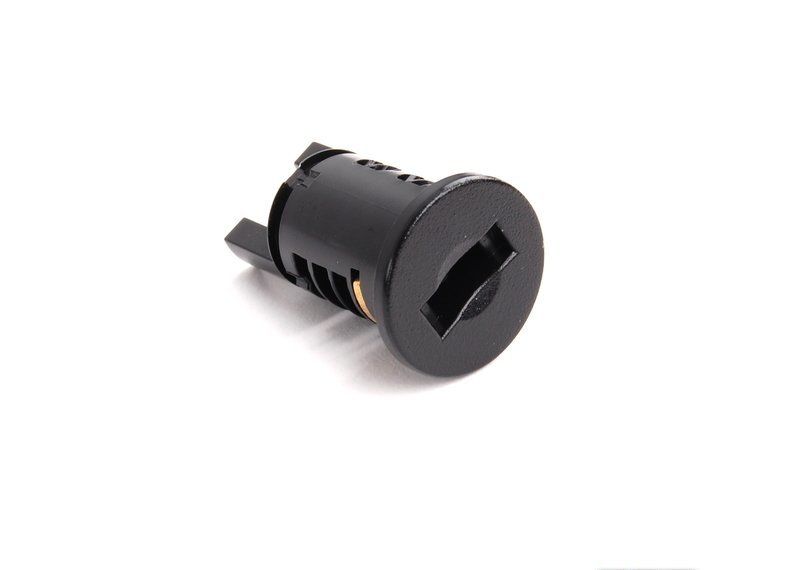 Representative Photo, actual item may vary

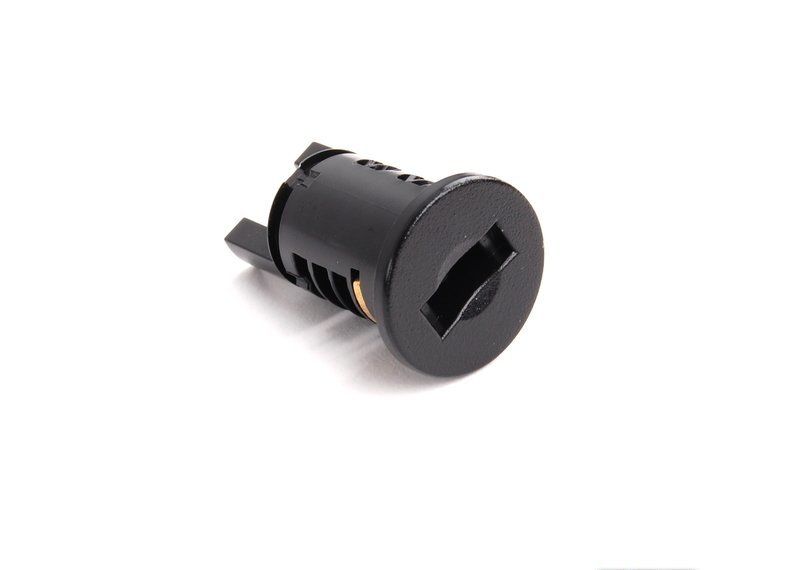 Representative Photo, actual item may vary


Kentrol 50526 Glove Box Door Jeep CJ Stainless Steel Black Powdercoat


Goodmark GMK4020524672 Glove Box Latch Plate For 1967-1968 Chevrolet Camaro


Goodmark GMK4031524662S Glove Box Lock Housing For 1966-1967 Chevrolet Chevelle
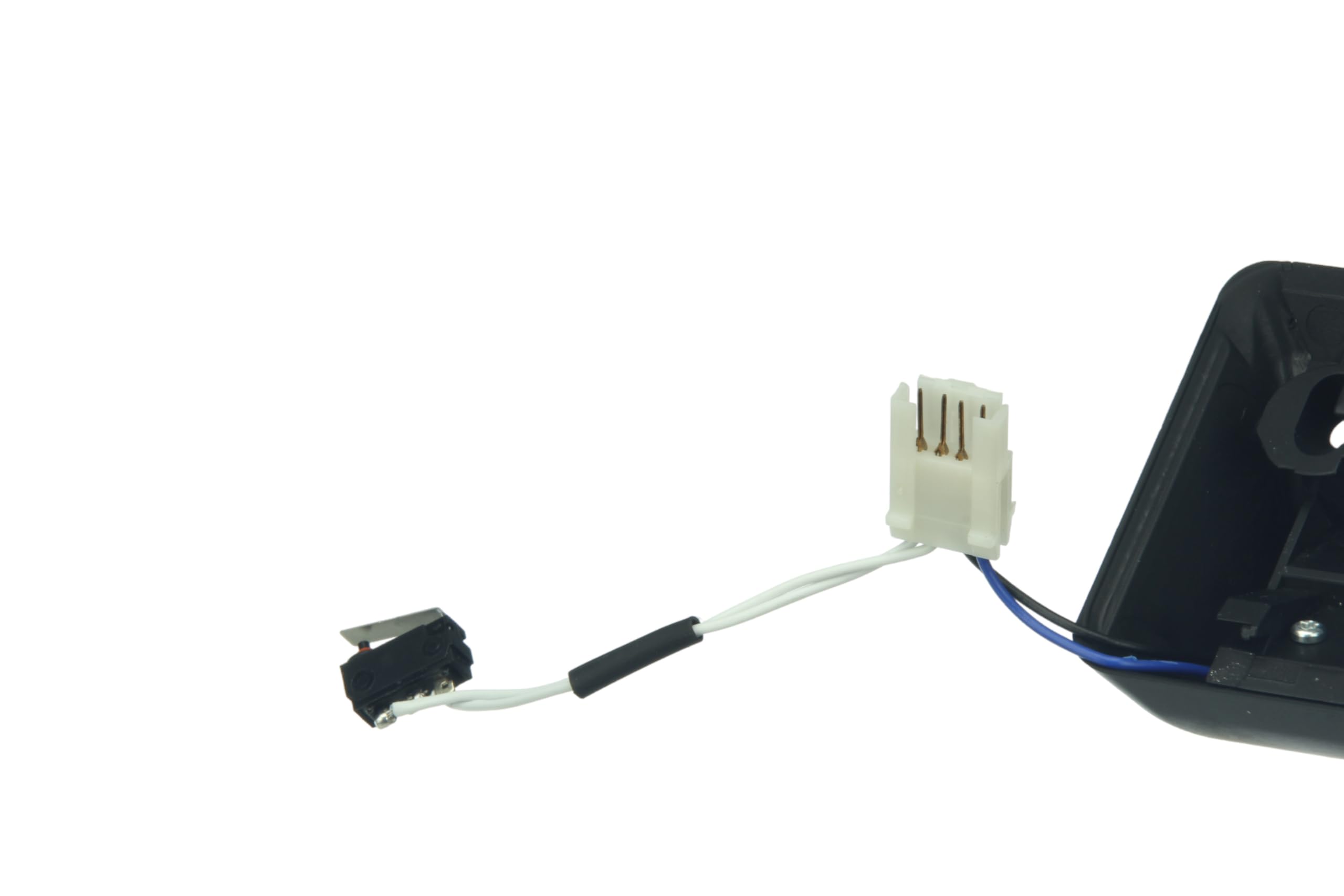 Representative Photo, actual item may vary


 Representative Photo, actual item may vary


IAP 133857131EC Locking Glove Box Latch with Keys Black Knob
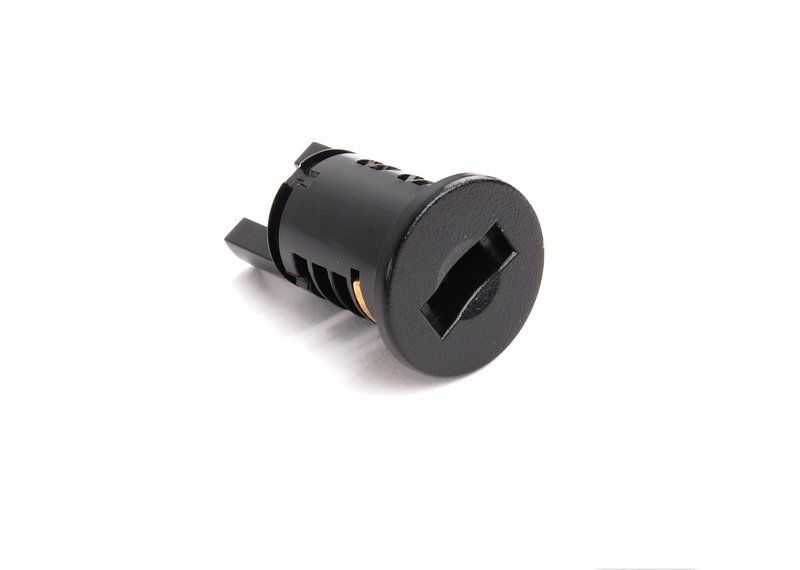 Representative Photo, actual item may vary


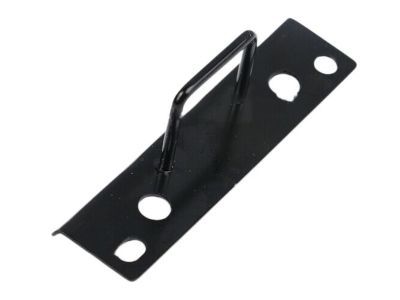 Representative Photo, actual item may vary



 Representative Photo, actual item may vary
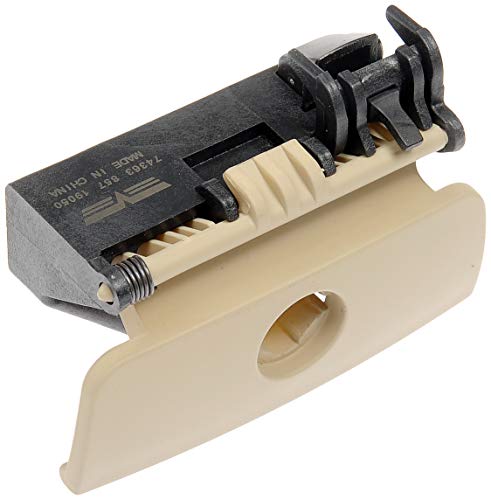 Representative Photo, actual item may vary
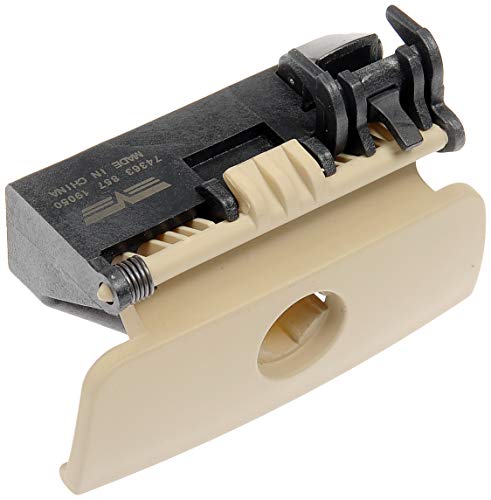 Representative Photo, actual item may vary


 Representative Photo, actual item may vary
What Is a Glove Box and Why Does It Matter?
The glove box — also called the glove compartment — is one of the most-used interior components in any vehicle. Sitting on the passenger side of the dashboard, it serves as the primary in-cabin storage compartment for everything from registration documents and insurance cards to sunglasses and roadside essentials. Despite its seemingly simple purpose, the glove box is a multi-piece assembly made up of several wear-prone components: the outer door, the inner liner or insert, the latch mechanism, hinges, bumpers, grommets, emblems, and fastener hardware.
Over time — and especially in classic and vintage vehicles — these parts crack, warp, fade, or simply stop functioning correctly. A broken latch means your glove box swings open unexpectedly. A missing liner lets stored items rattle and scratch against bare metal. For restorers and daily drivers alike, keeping the glove box in good working order is both a practical necessity and a point of interior pride.
What to Look for When Shopping Glove Box Parts
- Exact vehicle fitment: Glove box components are highly application-specific. Always verify year, make, model, and trim level before purchasing a door, liner, or latch.
- OEM vs. reproduction quality: For classic car restorations, reproduction parts should match original grain patterns, material type, and mounting geometry. Look for brands that use CAD/CAM tooling for dimensional accuracy.
- Material and finish: Plastic liners, stamped steel doors, and stainless steel overlays each serve different needs — durability, aesthetics, or both.
- Hardware and fasteners: Many glove box restoration jobs require correct screw sets and retainers to achieve a factory-correct finish.
Top Brands for Glove Box Parts
Goodmark is a go-to resource for classic car and muscle car glove box restoration. Founded in 1991 by car enthusiasts, Goodmark offers a comprehensive catalog of glove box components — including doors, liners, latches, emblems, hinges, and hardware screw sets — engineered to OEM dimensions using CAD/CAM tooling. Their lineup covers iconic platforms like the Chevrolet Camaro, Ford Mustang, Dodge Challenger, and Plymouth Barracuda.
Kentrol brings a premium stainless steel approach to glove box upgrades, particularly for Jeep CJ enthusiasts. Kentrol introduced the concept of stainless steel accessories for Jeep vehicles in 1980, and their glove box doors — crafted from T-304 stainless steel and available in polished or powder-coated finishes — come backed by a limited lifetime warranty. Each piece is 100% inspected before shipping.
Scott Drake is the benchmark for classic Ford Mustang interior restoration. Recognized as the world's largest manufacturer and supplier of reproduction parts for classic Mustangs, Scott Drake offers glove box doors, liners, and inserts spanning model years from 1964½ through the early 1970s, with painstaking attention to period-correct grain patterns, stampings, and finish details.
Genuine BMW rounds out the lineup with OEM-sourced glove box components for BMW vehicles, offering factory-spec parts that ensure exact fit and finish for owners who demand nothing less than original equipment quality in their BMW's interior.