


Vacuum Line


Genuine Mercedes 001-997-39-52 Vacuum Line Transparent Hose 1.0mm x 5.0mm


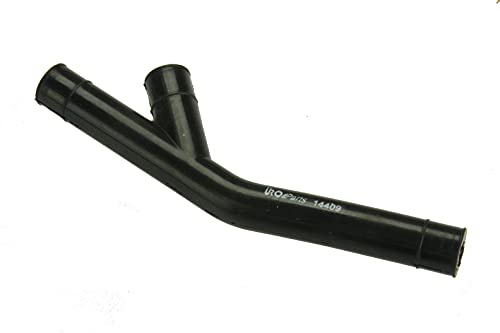 Representative Photo, actual item may vary

 Representative Photo, actual item may vary


 Representative Photo, actual item may vary

Genuine BMW 11-61-7-503-666 Vacuum Hose OEM Replacement


 Representative Photo, actual item may vary

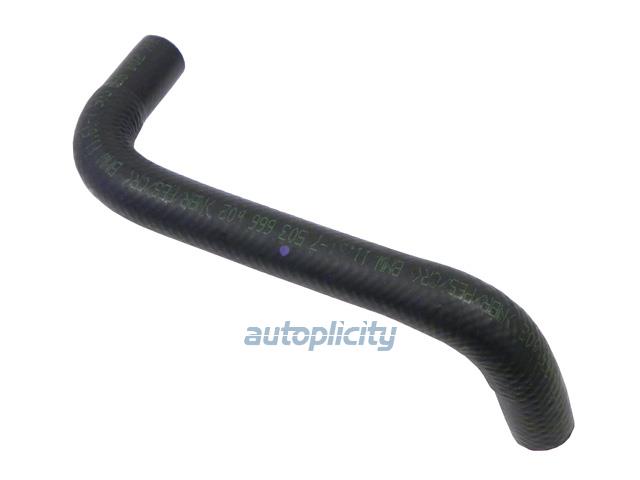 Representative Photo, actual item may vary


Genuine Porsche 993-110-573-00 Vacuum Line Distribution Fitting




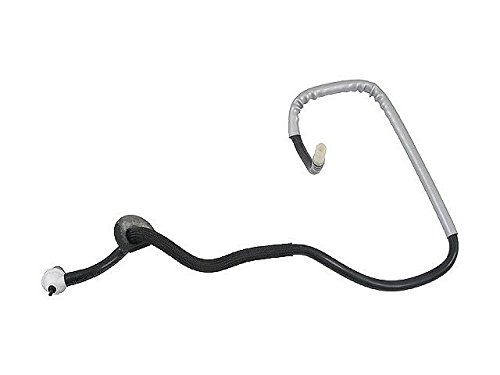 Representative Photo, actual item may vary
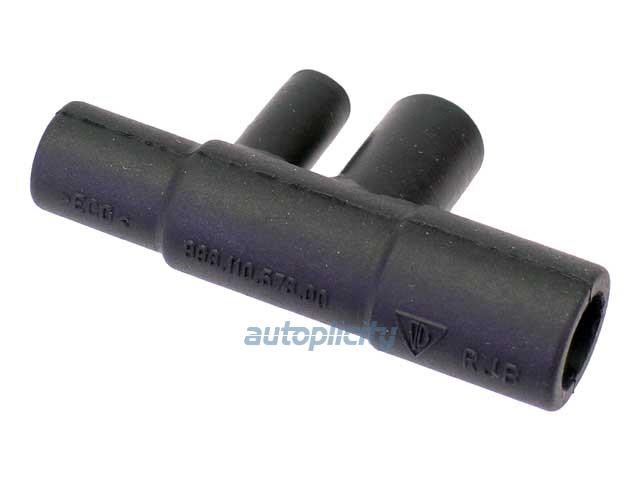 Representative Photo, actual item may vary
 Representative Photo, actual item may vary

Genuine 11 65 7 565 963 Turbocharger Vacuum Line Vacuum Reservoir to Wastegate - 11 65 7 565 963
 Representative Photo, actual item may vary
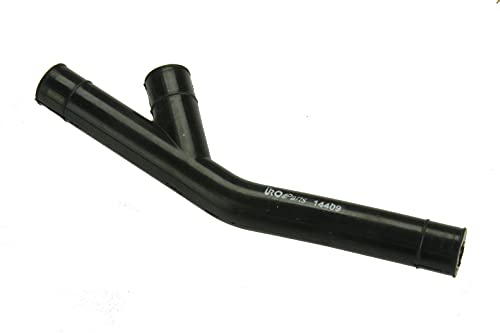 Representative Photo, actual item may vary

URO 058-133-784 A Vacuum Hose 3-Way Intake Manifold to Check Valve to Solenoid

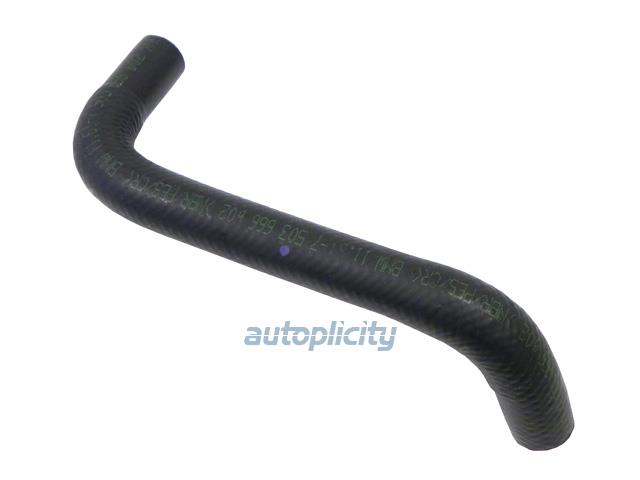 Representative Photo, actual item may vary
Genuine BMW 11-61-1-438-809 Vacuum Hose Intake Manifold to Vacuum Valve
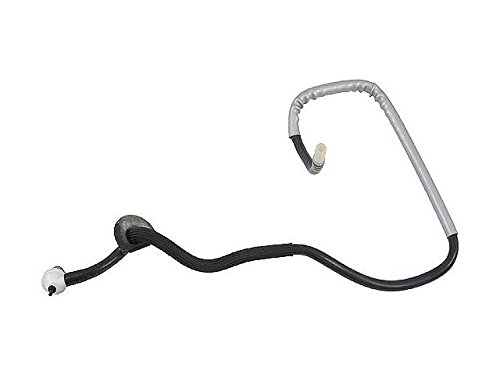 Representative Photo, actual item may vary
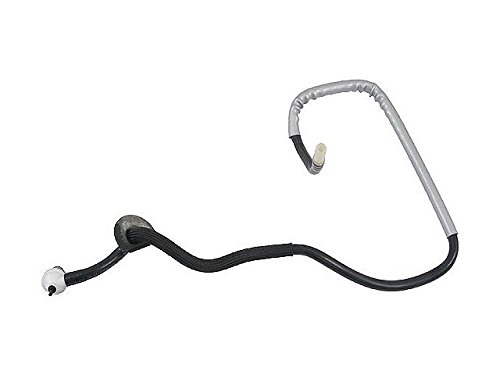 Representative Photo, actual item may vary
 Representative Photo, actual item may vary
 Representative Photo, actual item may vary


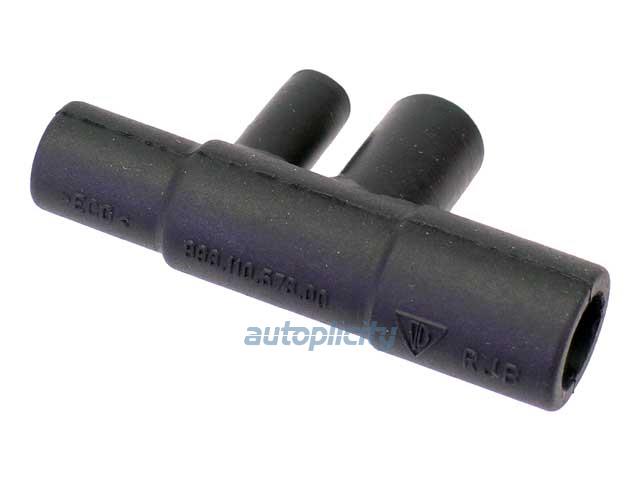 Representative Photo, actual item may vary
Genuine Porsche 928-573-727-05 Vacuum Line Y-Connector 3-Way Fitting 5mm


 Representative Photo, actual item may vary
 Representative Photo, actual item may vary

Genuine 11 66 7 791 509 BMW Vacuum Pump Hose Tube 3.0L Turbo Diesel EGR
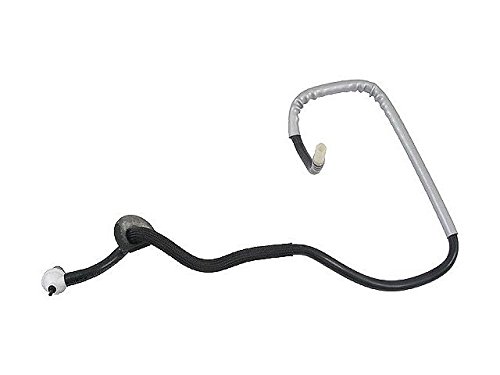 Representative Photo, actual item may vary

 Representative Photo, actual item may vary

 Representative Photo, actual item may vary


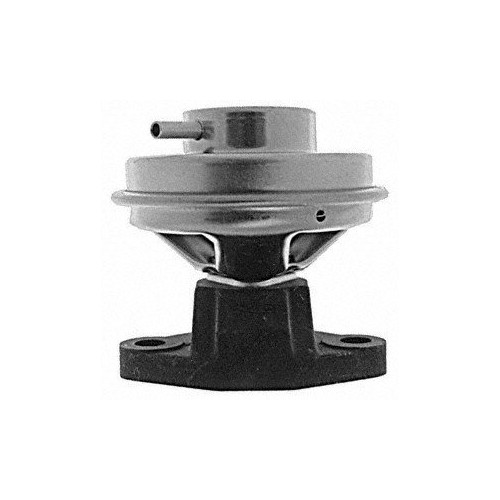 Representative Photo, actual item may vary

 Representative Photo, actual item may vary

 Representative Photo, actual item may vary


 Representative Photo, actual item may vary

URO 11-74-7-797-129 BMW Vacuum Hose Replacement - 1 Meter Black
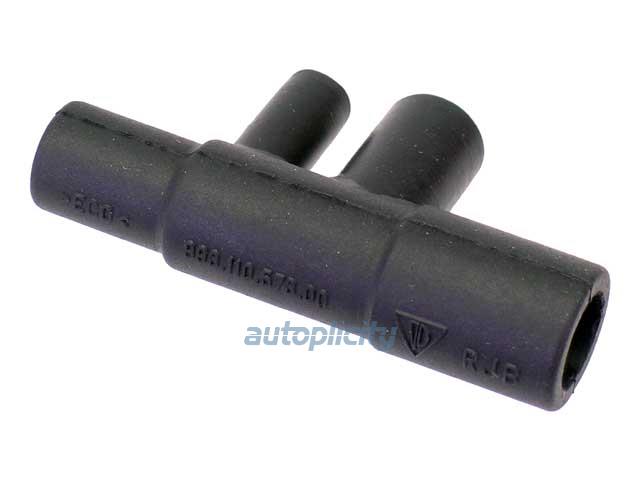 Representative Photo, actual item may vary
- 1
- 2
What Is a Vacuum Line and Why Does It Matter?
A vacuum line is a small but critical component in your vehicle's emission control and vacuum system. These flexible rubber or reinforced hoses carry engine vacuum — the negative pressure generated by the intake manifold — to a wide range of components, including brake boosters, EGR valves, PCV systems, EVAP canisters, intake manifold actuators, and emissions-related solenoids. Without properly functioning vacuum lines, many of these systems simply cannot operate as designed.
Because vacuum lines are exposed to intense engine heat, oil vapor, ozone, and constant pressure fluctuations, they are among the most common wear items under the hood. Over time, rubber degrades, cracks, hardens, or collapses — leading to vacuum leaks that can cause a host of drivability problems. A leaking vacuum line can trigger a check engine light, cause rough idle, reduce fuel efficiency, impair brake booster assist, or throw off the air-fuel mixture managed by the engine control system. Catching and replacing a faulty vacuum line early is one of the most cost-effective maintenance steps any vehicle owner can take.
Choosing the Right Vacuum Line
When shopping for replacement vacuum lines, there are a few key considerations to keep in mind:
- Inner diameter: Vacuum lines are sized by their inner diameter, and using the wrong size will result in poor sealing or line collapse. Always match the original specification.
- Material: Most OE-style vacuum lines are made from EPDM rubber or silicone, each offering different levels of heat and chemical resistance. High-temperature applications near exhaust components may call for silicone.
- Length and routing: Some lines are sold as bulk hose to be cut to length, while others are pre-formed to match specific OEM routing. Pre-formed lines simplify installation and ensure a proper fit.
- Application fit: Always verify compatibility with your year, make, and model before purchasing — especially for emissions-related connections where geometry and port size matter.
Top Brands for Vacuum Lines
Gates is one of the most recognized names in automotive fluid power and hose technology. With decades of engineering expertise in rubber compounds and hose construction, Gates vacuum lines are built to withstand the thermal cycling and chemical exposure common in modern engine bays.
Cohline is a respected European hose manufacturer with a long heritage of supplying precision-engineered rubber lines to OEM and aftermarket customers. Their vacuum hoses are particularly well regarded for European vehicle applications, where tight tolerances and material quality are paramount.
Genuine parts are OEM-sourced components that match factory specifications exactly — an ideal choice when you want to restore your vehicle's vacuum system to its original factory condition without any guesswork on fitment or materials.
Dorman is a widely trusted aftermarket brand known for producing a broad catalog of hard-to-find replacement parts. Their vacuum line offerings include both bulk hose and pre-formed lines, making it easy to find a direct-fit solution for a wide range of vehicles.
Genuine Porsche parts are factory-sourced components designed specifically for Porsche vehicles, ensuring that owners of these precision-engineered cars get vacuum lines that meet the exact material and dimensional standards set by the manufacturer.
Keeping Your Vacuum System Healthy
Regular inspection of vacuum lines during routine maintenance — especially on higher-mileage vehicles — can prevent the cascade of drivability and emissions issues that stem from a simple cracked hose. If you notice a hissing sound from the engine bay, an erratic idle, or an illuminated check engine light, a vacuum leak is a logical first place to investigate. Replacing worn lines with quality parts from trusted brands is a straightforward repair that delivers outsized benefits to engine performance and emissions compliance.