


Engine Oil Separator Hose
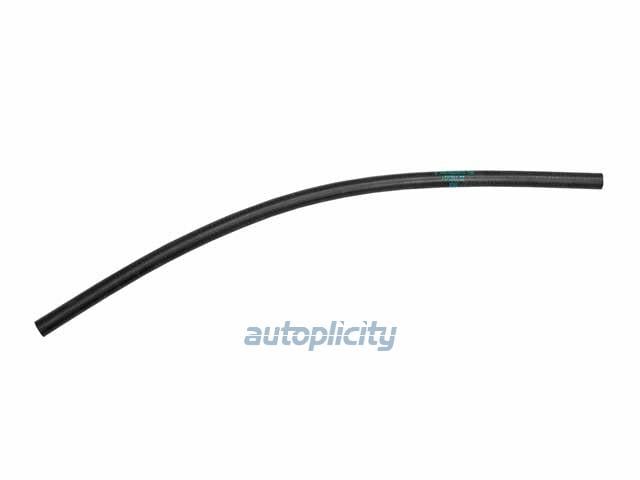 Representative Photo, actual item may vary
Genuine Porsche PCV Valve Hose Vent Line


 Representative Photo, actual item may vary
Bapmic 276-018-23-00 Crankcase Breather Bleed Line for Mercedes-Benz M276 Engine

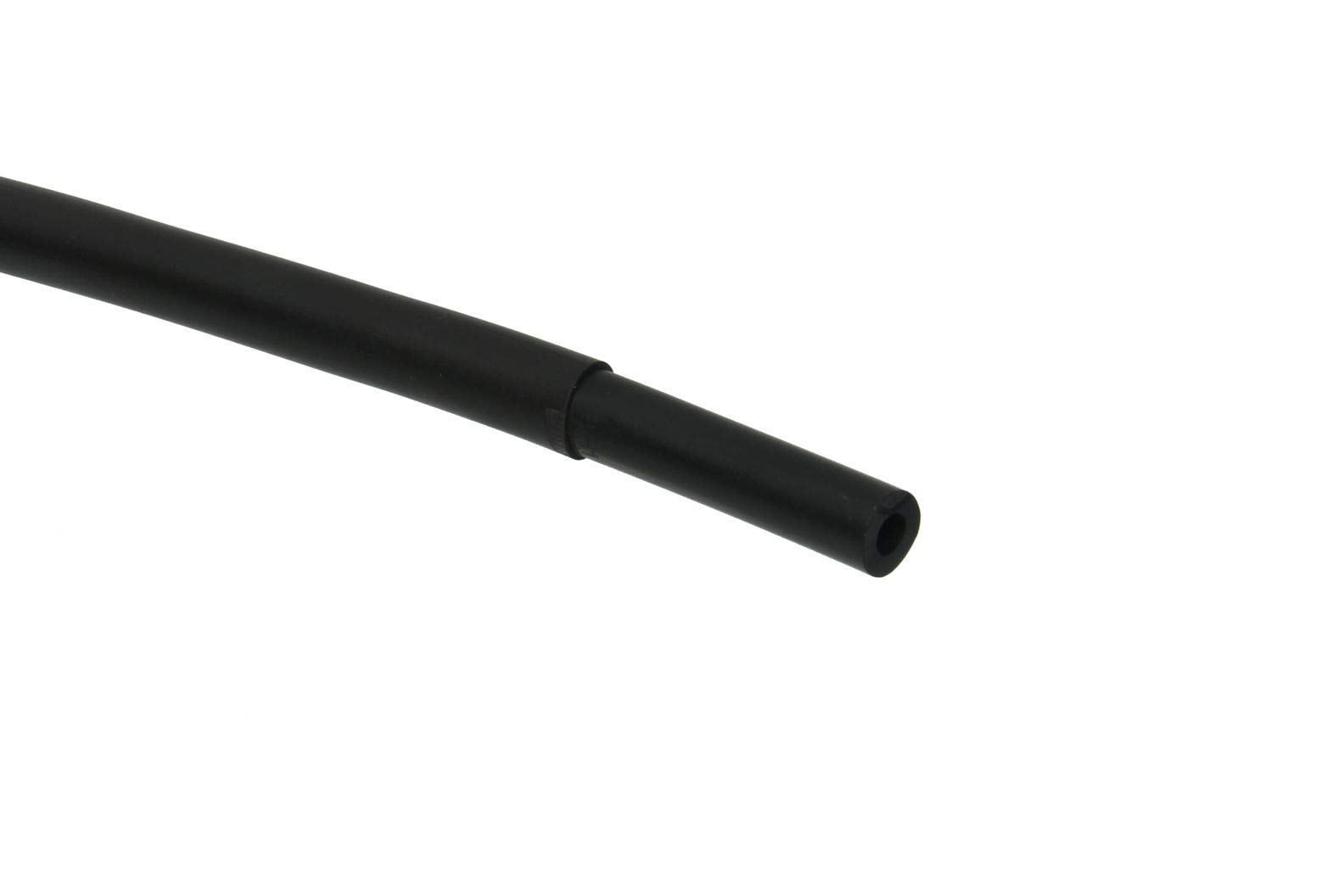 Representative Photo, actual item may vary

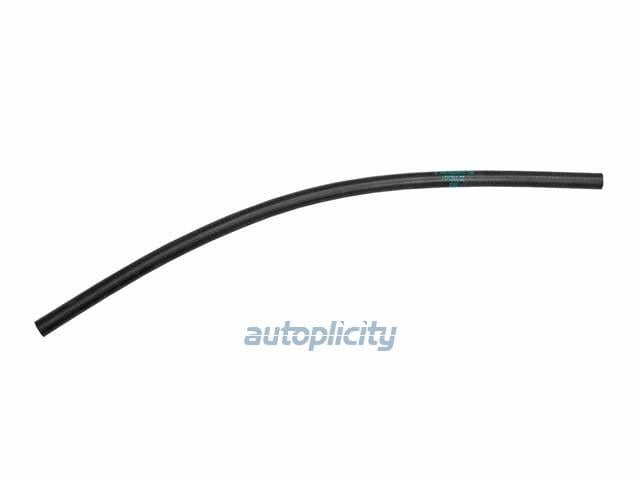 Representative Photo, actual item may vary
Genuine Porsche 948 107 229 61 Engine Oil Separator Hose Crankcase Vent Line
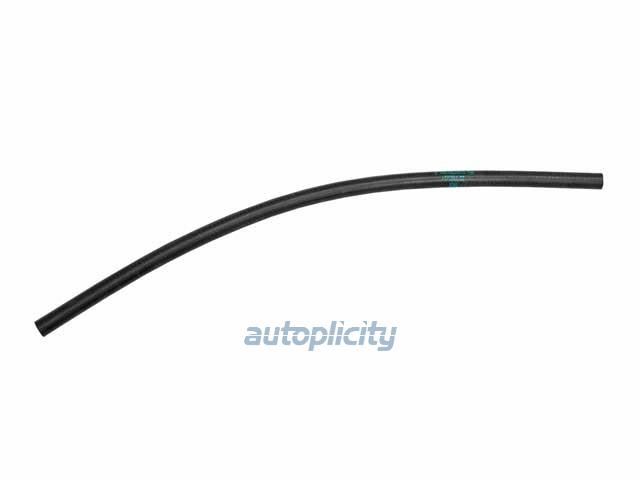 Representative Photo, actual item may vary


Genuine Porsche 99610620850 Oil Separator Breather Hose Upper


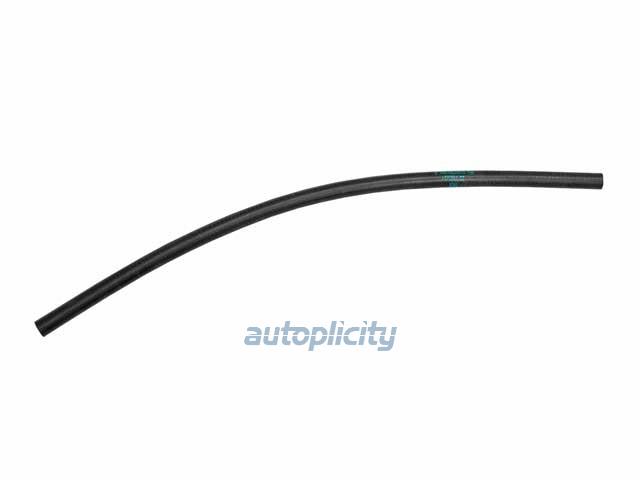 Representative Photo, actual item may vary
What Is an Engine Oil Separator Hose?
The engine oil separator hose is a critical but often overlooked component within your engine's Positive Crankcase Ventilation (PCV) system. Its job is to carry blow-by gases — a mixture of combustion byproducts and crankcase pressure — from the engine block to the oil separator (also called an Air/Oil Separator, or AOS). The PCV system manages crankcase pressure by drawing blow-by gases out of the crankcase and back into the intake manifold to be re-burned, preventing harmful emissions from escaping into the atmosphere.
The oil separator hose is the conduit that makes this flow possible. Without an intact, properly routed hose, oil-laden vapors can bypass the separator entirely — leading to a host of downstream problems.
Why the Oil Separator Hose Matters
The engine oil separator acts as a filter within this system, using centrifugal force, baffles, or a labyrinth design to condense oil vapors back into liquid oil, which then drains back into the oil pan, while the now-cleaner gases continue their journey to the intake. The hose connecting the engine block to this separator must remain flexible, crack-free, and properly sealed at all times.
All hoses connected to the PCV system must be pliable and free from cracks or blockages, since hardened or brittle hoses can lead to vacuum leaks. A failed oil separator hose can allow unmetered air into the intake system, disrupt crankcase pressure management, and let oil mist contaminate the intake tract — potentially coating throttle bodies, intercoolers, and intake valves with oily deposits.
Signs that you may need to replace the engine oil separator hose include oil leaks, decreased engine performance, or the presence of oil in the intake system, and common symptoms include engine misfires, increased oil consumption, and a check engine light due to potential fault codes. Catching these signs early can save you from far more expensive repairs down the road.
What to Look for When Shopping
Because the oil separator hose lives in a hot, oil-rich engine environment, material quality is paramount. Look for hoses manufactured to OEM specifications, using rubber or reinforced polymer compounds rated for sustained heat and oil exposure. Fit is equally important — an improperly sized hose can introduce air leaks or fail to seat correctly on barbed fittings. Always verify compatibility with your specific engine code and model year before purchasing.
During every oil change or routine check, inspect the separator unit and its connecting hoses, looking for cracks, hardening, or signs of oil leakage. Proactive inspection is especially important on high-mileage vehicles or air-cooled and flat-six engines known for elevated crankcase pressures.
Top Brands for Engine Oil Separator Hoses
When it comes to sourcing an oil separator hose, quality and fitment precision are non-negotiable. Genuine Porsche is the gold standard for Porsche owners. Any Genuine Porsche brand part is obtained directly through the vehicle dealership network from the manufacturer — always the best option for getting the exact same part being replaced in its latest version design. For applications like the 911, Boxster, and Cayman, where the AOS system is integral to engine longevity, opting for the factory-correct hose eliminates any guesswork around fitment or material compatibility.