


A/C Compressor Gasket





 Representative Photo, actual item may vary

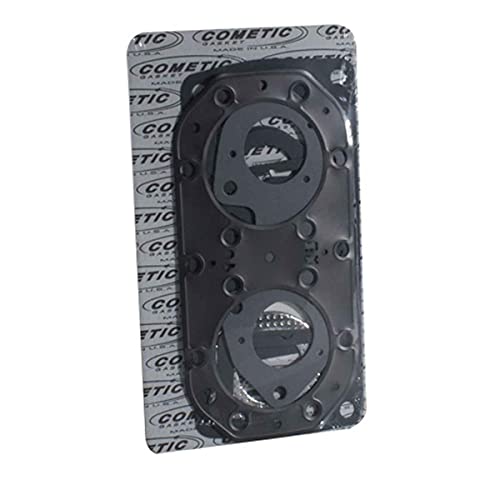 Representative Photo, actual item may vary

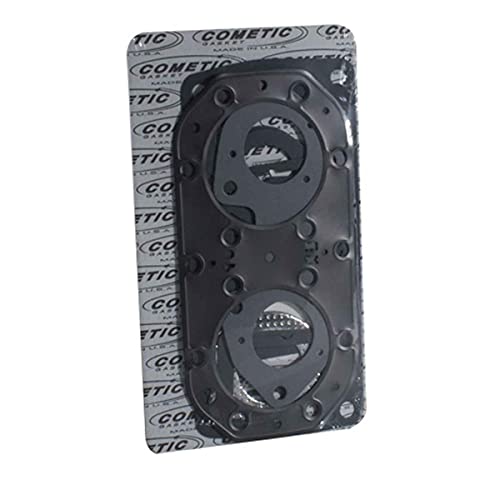 Representative Photo, actual item may vary


 Representative Photo, actual item may vary

 Representative Photo, actual item may vary

 Representative Photo, actual item may vary
 Representative Photo, actual item may vary

 Representative Photo, actual item may vary



 Representative Photo, actual item may vary


 Representative Photo, actual item may vary

 Representative Photo, actual item may vary
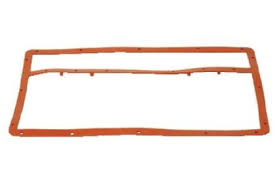 Representative Photo, actual item may vary


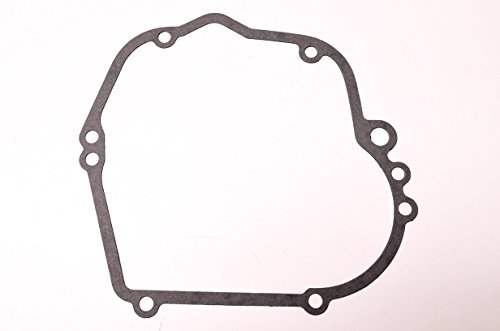 Representative Photo, actual item may vary


 Representative Photo, actual item may vary
 Representative Photo, actual item may vary
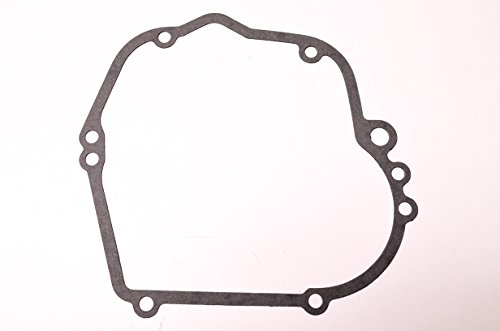 Representative Photo, actual item may vary
 Representative Photo, actual item may vary

 Representative Photo, actual item may vary
 Representative Photo, actual item may vary

Copeland 020-0003-09 Bottom Plate O-Ring Gasket for K & H Series Compressors
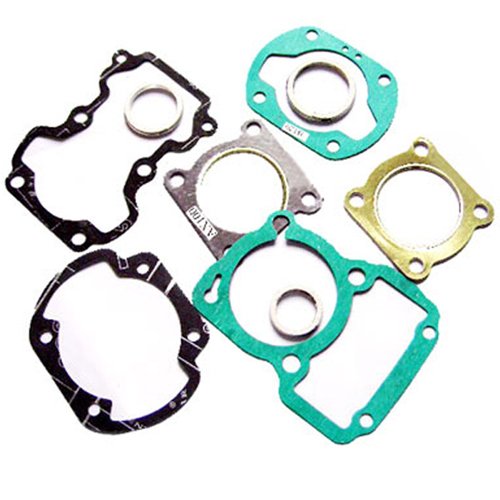 Representative Photo, actual item may vary

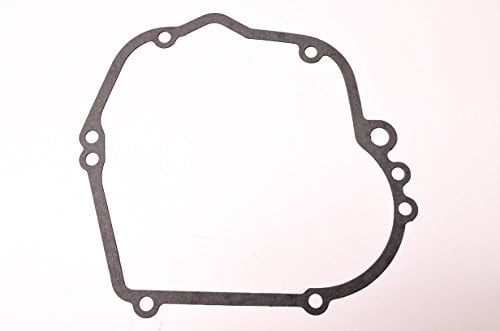 Representative Photo, actual item may vary
 Representative Photo, actual item may vary
 Representative Photo, actual item may vary
 Representative Photo, actual item may vary
Carrier 06ER660012 Valve and Gasket Kit for Carlyle 06E Semi-Hermetic Compressors
 Representative Photo, actual item may vary
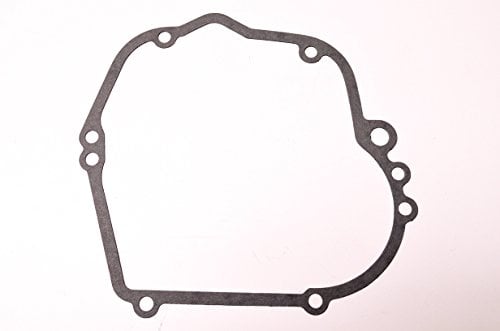 Representative Photo, actual item may vary
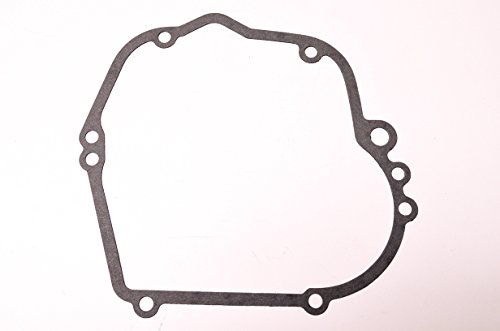 Representative Photo, actual item may vary
Briggs & Stratton 84002496 OEM Replacement Gasket for Small Engines Gaskets & Seals
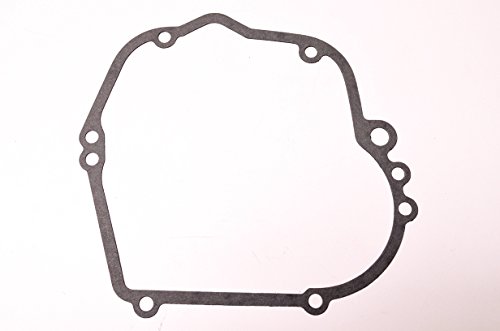 Representative Photo, actual item may vary

 Representative Photo, actual item may vary
 Representative Photo, actual item may vary
 Representative Photo, actual item may vary
 Representative Photo, actual item may vary
 Representative Photo, actual item may vary

- 1
- 2
What Is an A/C Compressor Gasket?
The A/C compressor gasket is a small but critical sealing component in your vehicle's air conditioning system. Positioned at the junction where refrigerant hoses and manifold connections meet the compressor, these gaskets create an airtight seal that keeps refrigerant and compressor oil where they belong — inside the system. Without a properly functioning gasket, even a minor leak can rob your cabin of cool air and accelerate wear throughout the entire HVAC circuit.
Why A/C Compressor Gaskets Matter
Modern automotive air conditioning systems operate under significant pressure, cycling refrigerant through the compressor, condenser, expansion valve, and evaporator dozens of times per minute. Most A/C leaks occur where hoses connect to the compressor, condenser, accumulator, and evaporator — and these leaks can allow refrigerant and oil to escape, causing your A/C to stop working or suffer damage due to a loss of lubrication.
A/C compressor gaskets come in different sizes and configurations depending on the make and model of the compressor, and are used to connect the A/C hose manifold to the back of the compressor. They are made of crushable metal or composite materials and require replacement whenever a new or rebuilt compressor is installed.
Many vehicle air conditioning leaks occur around worn, cracked, or broken O-rings and gaskets. These components seal parts of the A/C system to one another and are designed using refrigerant-specific materials to ensure the longest possible seal life. Choosing the correct gasket for your specific compressor type is essential — a poor fit or an incompatible material can result in premature failure and a return of the very leaks you set out to fix.
What to Look for When Shopping A/C Compressor Gaskets
- Vehicle Fitment: Always verify the gasket is designed for your specific year, make, and model. Compressor bolt patterns and port configurations vary widely.
- Material Compatibility: Quality gaskets are engineered to resist oil, refrigerants, and high temperatures, keeping your air conditioning system running efficiently.
- OEM vs. Aftermarket: OEM-spec gaskets maintain factory tolerances; aftermarket options from reputable brands can match or exceed original performance at a lower cost.
- Kit vs. Single Gasket: If you are doing a full compressor replacement, consider a gasket kit that covers all connection points rather than purchasing individual pieces.
Top Brands in A/C Compressor Gaskets
Four Seasons is one of the most widely recognized names in automotive HVAC, with a broad catalog of compressor gaskets and sealing components engineered to meet or exceed OEM specifications. Their extensive vehicle coverage makes them a go-to choice for both professional technicians and DIY enthusiasts tackling compressor replacements across a wide range of domestic and import vehicles.
GPD (Global Parts Distributors) rounds out the category with dependable aftermarket HVAC components designed to deliver reliable sealing performance. GPD focuses specifically on air conditioning system parts, making their compressor gaskets a solid fit for those seeking a dedicated HVAC specialist's approach to quality and fitment.
When Should You Replace Your A/C Compressor Gasket?
The most common trigger for replacement is a compressor swap — any time you install a new or remanufactured compressor, the old gaskets should never be reused. Additionally, if you notice refrigerant-scented air in the cabin, oily residue around compressor fittings, or a gradual decline in cooling performance, a failed compressor gasket may be to blame. Catching a leaking gasket early prevents the larger expense of compressor or system damage down the line.