


Engine Oil Line




Cohline 93010734702 Camshaft to Chain Tensioner Oil Feed Line Left Side


Cohline 93010734809 Engine Oil Line Camshaft to Chain Tensioner Right Side
 Representative Photo, actual item may vary

 Representative Photo, actual item may vary
 Representative Photo, actual item may vary
 Representative Photo, actual item may vary

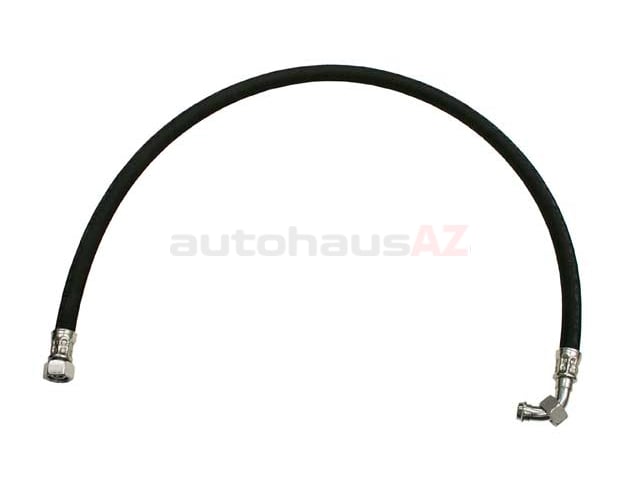 Representative Photo, actual item may vary

 Representative Photo, actual item may vary


 Representative Photo, actual item may vary



 Representative Photo, actual item may vary


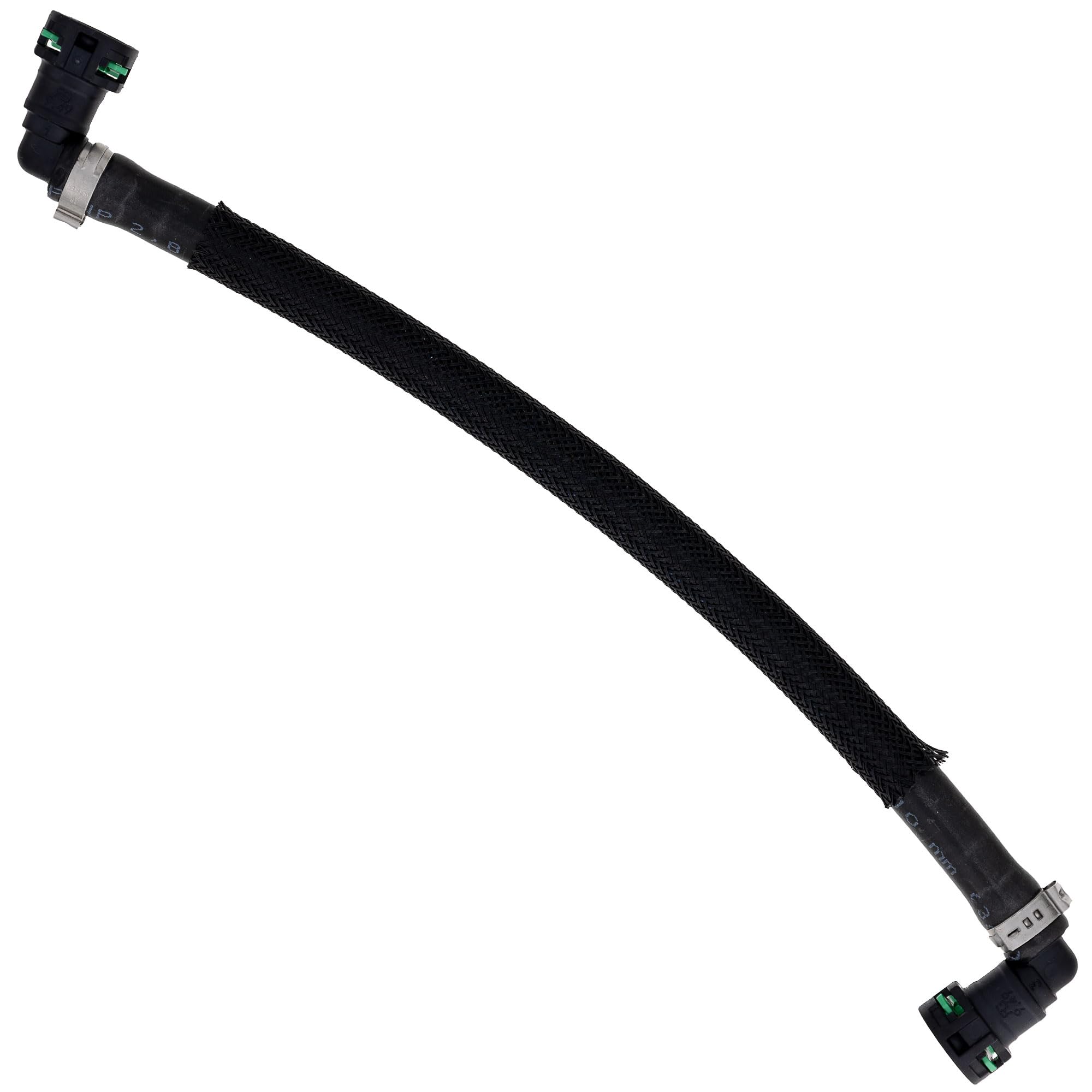 Representative Photo, actual item may vary


 Representative Photo, actual item may vary

 Representative Photo, actual item may vary

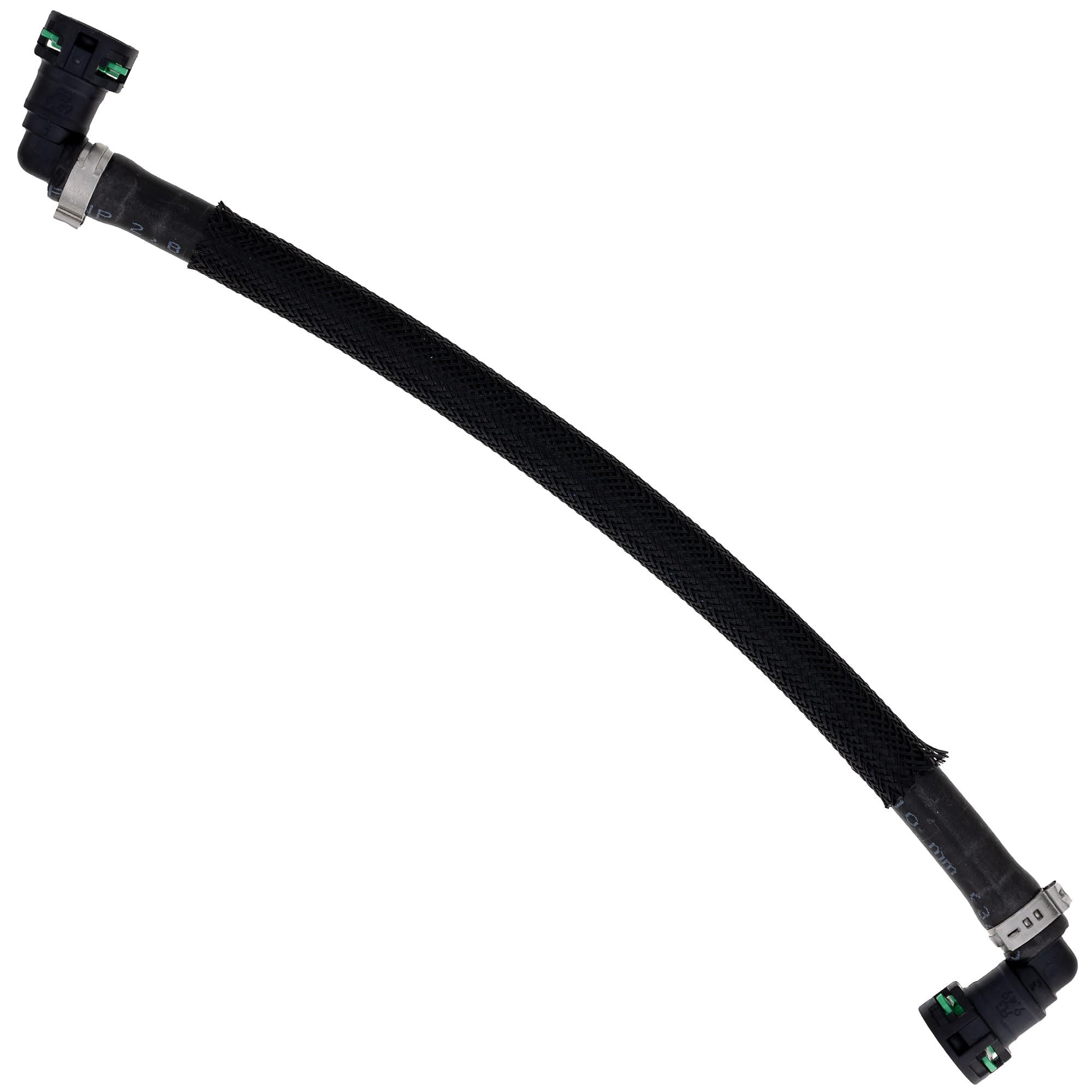 Representative Photo, actual item may vary


Blemished JP Group Dansk 911-107-361-01 Oil Line Regulator Housing to Pump

 Representative Photo, actual item may vary
German 964 207 254 14 Oil Line - Oil Filter Console to Thermostat Housing

Cohline 930-107-348-18 Camshaft Oil Line to Chain Tensioner - Right Side
 Representative Photo, actual item may vary
 Representative Photo, actual item may vary
OE Aftermarket 901 107 301 13 Oil Line Engine Oil Cooler to Reservoir for Porsche 911
 Representative Photo, actual item may vary


What Are Engine Oil Lines?
Engine oil lines are the dedicated conduits that route oil between critical points within and around your engine — from the oil pump and filter to the oil cooler and back into the engine block. While they may seem like simple tubes, these lines play an indispensable role in keeping your engine healthy. Their primary function is to circulate the engine oil from the engine block to the oil cooler and back, helping to regulate the temperature of the engine oil and maintain it within the optimal operating range.
Why Engine Oil Lines Matter
A vehicle's lubrication system is responsible for circulating motor oil to the engine's various moving parts, including its pistons, bearings, valvetrain, and timing gears — and without sufficient oil flow, friction leads to excessive heat that negatively impacts performance and can harm the engine. Engine oil lines are the literal pathways that make this circulation possible.
The oil cooler functions as a heat exchanger, reducing the temperature of the oil before it recirculates into the engine, helping to maintain optimal operating conditions. A cracked, worn, or leaking oil line disrupts this entire system — starving components of lubrication, causing oil pressure drops, and ultimately risking serious engine damage.
Construction and Materials
Not all oil lines are built the same. To withstand the elevated temperatures and pressures inherent to the oil system, oil lines are commonly constructed using robust materials such as rubber hoses, steel-braided hoses, or rigid metal tubing. The connections at each end of the lines utilize threaded fittings or specialized connectors to create a secure, leak-proof seal.
Material choice matters depending on the application: steel lines are highly durable and resistant, making them suitable for high-performance applications, but can be more rigid and prone to kinking, while rubber lines offer a flexible and robust alternative, but may have a shorter service life. For most street-driven vehicles, OEM-specified materials strike the right balance of durability, flexibility, and fitment precision.
When to Replace Your Engine Oil Line
Oil lines can degrade over time due to heat cycling, vibration, and exposure to engine fluids. Warning signs include visible oil seepage at line connections, unexplained oil loss, a drop in oil pressure, or oil pooling under the vehicle. A compromised oil system can lead to increased engine wear, overheating, and in severe cases, engine failure — and issues such as clogged filters, leaks, or oil contamination can greatly impede the system's ability to maintain proper lubrication and cooling. Replacing a faulty oil line promptly is far less costly than repairing the engine damage that follows from neglect.
Top Brands for Engine Oil Lines
When it comes to replacement engine oil lines, fitment and material quality are non-negotiable. Genuine BMW is the gold standard for BMW owners — these are the same OEM oil lines installed on the factory assembly line, engineered to exact tolerances for a perfect fit. To keep your BMW running like the day it came off the assembly line, investing in only genuine OEM BMW parts and accessories is the recommended approach. Whether you're maintaining a 3 Series, 5 Series, X5, or another model, sourcing the correct Genuine BMW oil line ensures the integrity of your engine's lubrication circuit.