


Belt Tensioner Damper

URO 604 200 0214 Accessory Belt Tension Damper for Mercedes-Benz 300D


 Representative Photo, actual item may vary



Professional Parts SWEDEN 21341419 Accessory Belt Tension Damper


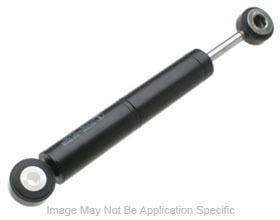 Representative Photo, actual item may vary


 Representative Photo, actual item may vary

VAICO V10-0564 Timing Belt Vibration Damper for Audi VW Skoda Seat


What Is a Belt Tensioner Damper?
The belt tensioner damper is a compact but critical component built into your serpentine belt tensioner assembly. It is a spring-loaded component whose primary job is to absorb vibrations and oscillations created by the rotating accessory drive belt as it spins around pulleys driving your alternator, water pump, power steering pump, and air conditioning compressor. Think of it as the shock absorber of your engine's accessory drive system — a damper acts just like a shock absorber does on a vehicle suspension system, reducing tensioner motion and minimizing vibration and noise.
How It Works
The damper uses internal springs or elastomer (rubber) material to cushion these vibrations, maintaining even belt tension automatically without requiring manual adjustment. Many tensioners include a rubber or polyurethane damper that settles belt vibration during abrupt acceleration or rapid changes in engine load, softening shock forces and reducing the likelihood of noise or premature belt wear.
The accessory drive system consists of a series of belts that power essential auxiliary components such as the alternator, air conditioning compressor, water pump, power steering pump, and more. Without the proper tension, these belts can slip or become loose, leading to inefficient and unreliable operation of these vital components. The tensioner damper is what keeps that tension stable even as engine loads rise and fall moment to moment.
Why the Damper Matters
Without it, there is inadequate vibration absorption for the accessory drive, and dampers extend the life of the belt. By smoothing out belt movement and shock loads, the damper reduces wear on both the belt and pulleys, extends component lifespan, and keeps your accessory drive system running quietly and efficiently.
A worn or failed damper can trigger a cascade of problems. A worn damper loses its ability to control belt tension precisely, allowing the belt to slip on one or more pulleys during hard acceleration or high accessory load — in severe cases, the belt may even derail partially or completely from the pulley groove. Excessive damper wear also means the entire accessory drive system vibrates more noticeably during idle or acceleration, and you may feel a rumbling or pulsing sensation under the hood or vibration transmitted to the steering wheel or cabin. If the damper or bushing is worn, the tensioner will bounce — particularly under heavier load like with the A/C compressor engaged — and you may hear belt chirping noises even with a new belt.
What to Look for When Shopping Belt Tensioner Dampers
- OE Fit and Specs: Choose a damper rated to meet or exceed the original equipment specifications for your specific engine to ensure proper tension control.
- Material Quality: High-grade elastomer or composite materials provide longer service life and more consistent damping performance across temperature extremes.
- System Compatibility: Belt tensioner dampers are often vehicle-specific. Always verify fitment by year, make, model, and engine size before purchasing.
- Replace as a Set: When replacing a damper, it is good practice to inspect the full tensioner assembly, idler pulleys, and serpentine belt simultaneously to avoid a repeat repair.
Featured Brand: Professional Parts Sweden
Professional Parts Sweden is a worldwide supplier of high-quality replacement auto parts for Volvo and SAAB vehicles. Their quality product portfolio includes both maintenance parts and repair parts — including heating and cooling components — and all parts meet or exceed OE specifications for fit, form, and function. For owners of Swedish-engineered vehicles who demand precision fit and reliable performance in belt drive components, Professional Parts Sweden belt tensioner dampers represent an excellent OE-grade choice.