


Wheel Bearing O-Ring


 Representative Photo, actual item may vary






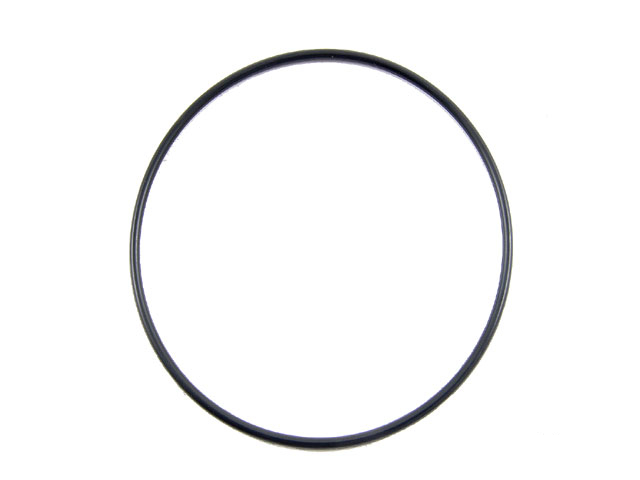 Representative Photo, actual item may vary
 Representative Photo, actual item may vary

What Are Wheel Bearing O-Rings?
A wheel bearing O-ring is a small but critically important sealing component found within your vehicle's wheel bearing assembly. Typically made from rubber or synthetic elastomer compounds, these circular seals sit between mating surfaces inside the hub and bearing assembly to create a pressure-tight barrier. Their primary job is twofold: keep lubricating grease inside the bearing where it belongs, and keep harmful contaminants — water, road grime, dirt, and debris — outside where they can't cause damage.
Why Wheel Bearing O-Rings Matter
Wheel bearings are precision components that operate under constant load and rotational stress. Without a properly functioning O-ring, the bearing's internal grease film breaks down rapidly, leading to increased friction, heat, and accelerated wear. Over time, a failed or degraded O-ring can be the root cause of a noisy or rough-feeling wheel bearing — a problem that, left unaddressed, can ultimately compromise vehicle handling and safety.
O-rings are especially vulnerable to degradation from heat cycling, exposure to road chemicals, and the normal flexing that occurs as a vehicle moves. Because they are a wear item, replacing the O-ring when servicing or replacing a wheel bearing assembly is considered best practice by most professional technicians. Neglecting this small component during a bearing service is a common cause of premature bearing failure after an otherwise correct repair.
When to Replace a Wheel Bearing O-Ring
You should inspect and consider replacing your wheel bearing O-ring any time you:
- Remove or replace a wheel hub or bearing assembly
- Notice grease leaking around the wheel hub area
- Diagnose a wheel bearing noise or roughness
- Perform a brake, axle shaft, or suspension service that involves hub disassembly
Because these seals are inexpensive relative to the labor involved in a bearing service, most technicians recommend replacing the O-ring as a matter of course — it is cheap insurance against a repeat repair.
What to Look for When Shopping
Fit is everything when selecting a wheel bearing O-ring. The seal must match the exact inner and outer diameters of your specific bearing and hub assembly, as well as the groove depth into which it seats. Using a seal that is even slightly undersized or oversized can result in improper compression, leakage, or damage to the O-ring itself upon installation. Always verify your vehicle's year, make, model, and drivetrain configuration before purchasing.
Material composition also matters. Most automotive wheel bearing O-rings are made from nitrile rubber (NBR), which provides excellent resistance to petroleum-based greases and oils. Some performance or heavy-duty applications may use EPDM or Viton compounds for greater heat and chemical resistance.
Top Brands for Wheel Bearing O-Rings
When it comes to wheel bearing sealing components, choosing a manufacturer with deep expertise in bearing technology makes a real difference. Timken Bearings is one of the most respected names in the bearing industry, with over a century of engineering heritage in anti-friction bearing technology. Timken designs their sealing components — including wheel bearing O-rings — to complement their bearing assemblies, ensuring proper material compatibility, dimensional accuracy, and long service life.