


Fuel Injection Manifold Pressure Sensor
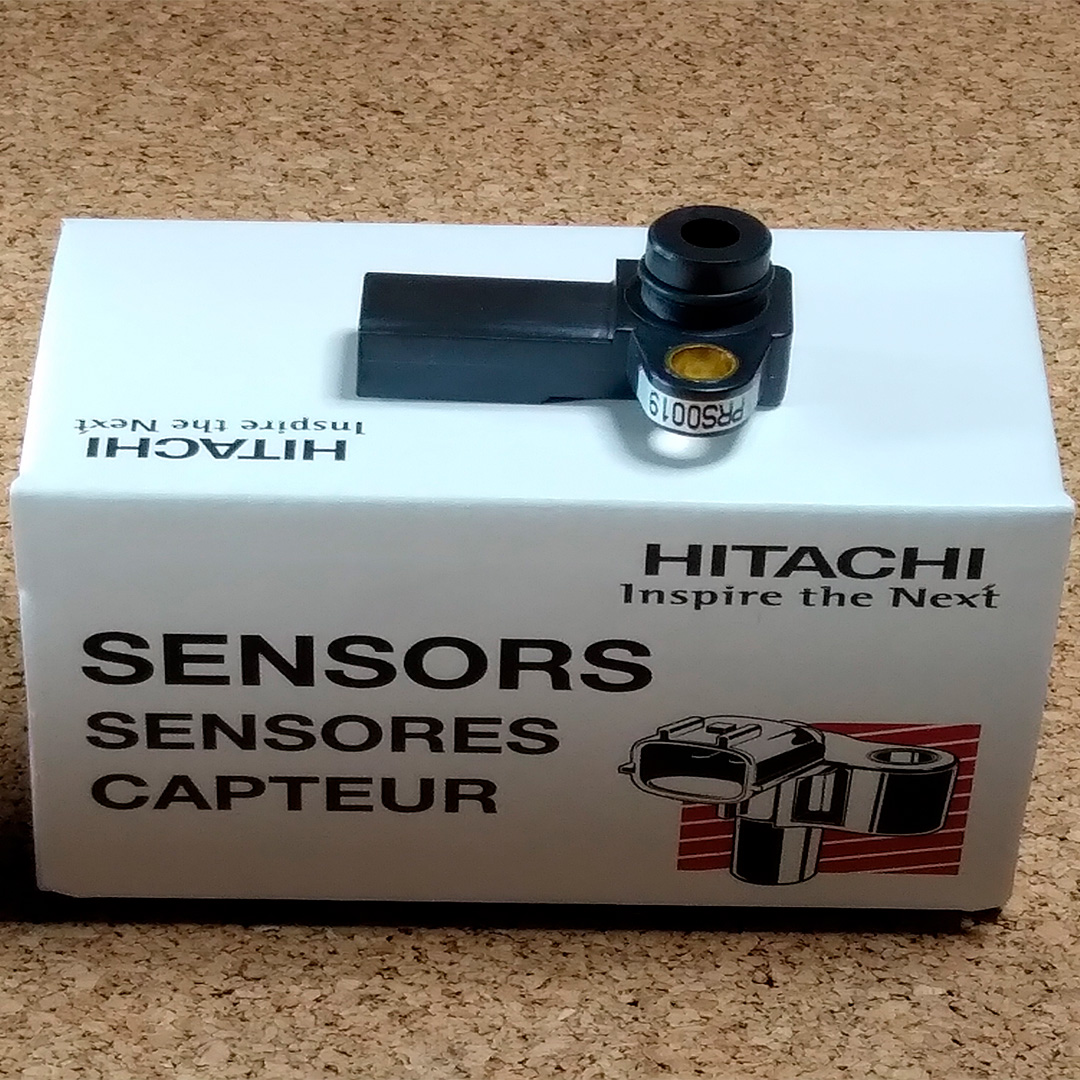 Representative Photo, actual item may vary

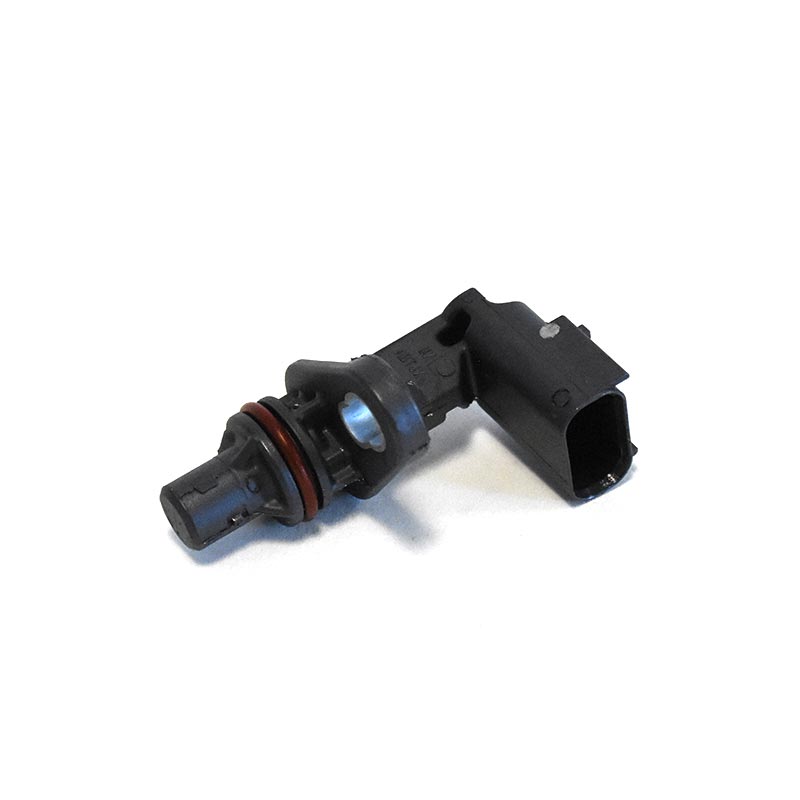 Representative Photo, actual item may vary





 Representative Photo, actual item may vary


Replacement REPF315205 Manifold Absolute Pressure MAP Sensor Blade Type - 3-Prong

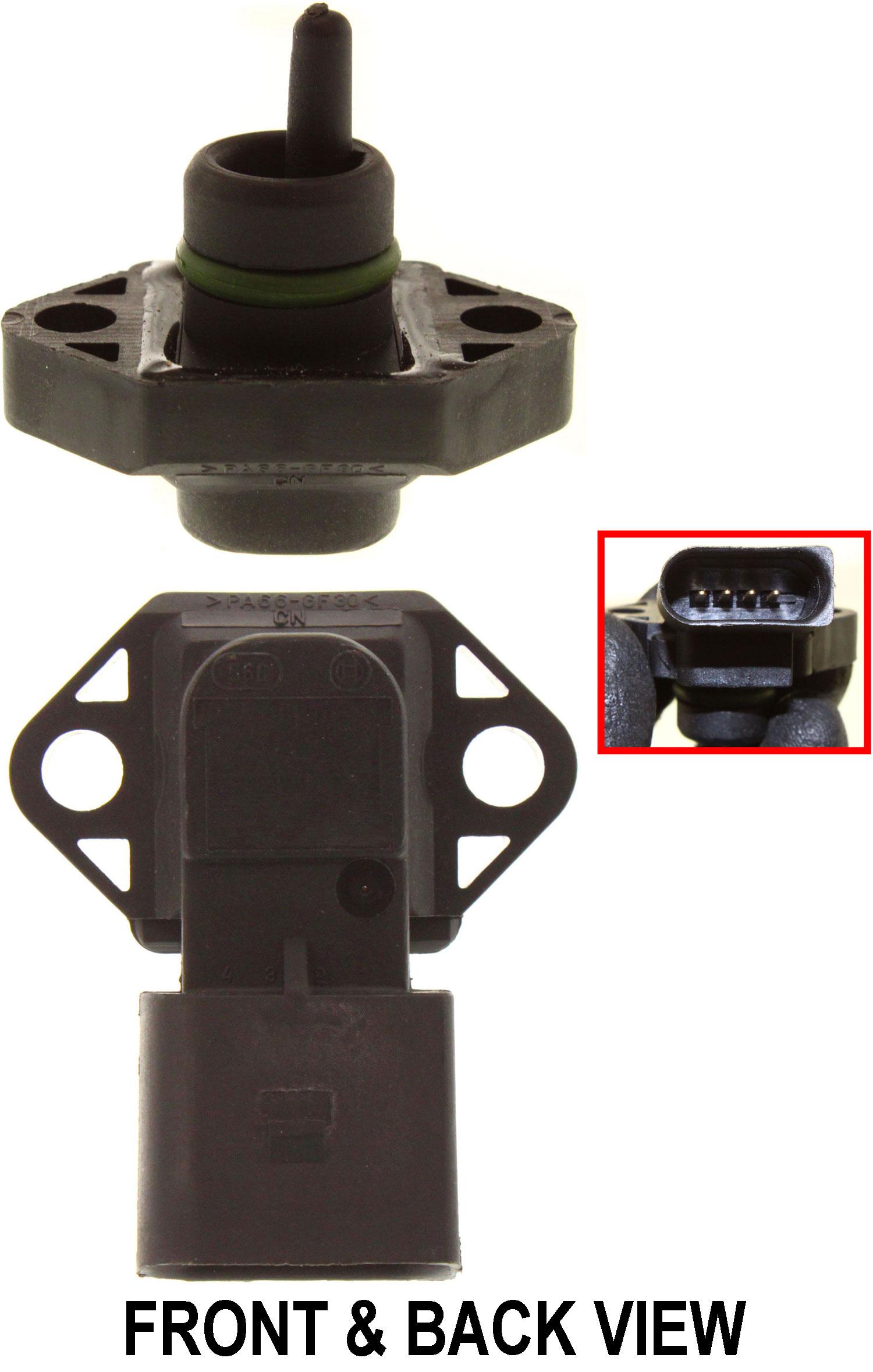 Representative Photo, actual item may vary
Replacement REPF315204 Manifold Absolute Pressure (MAP) Sensor 3-Prong Blade Female Connector

Replacement REPV315203 Manifold Absolute Pressure Sensor Blade Type - 4-Prong

Replacement RF31520009 Manifold Absolute Pressure Sensor Blade Type - 3-Prong

Replacement REPS315202 Manifold Absolute Pressure MAP Sensor Blade Type Female Connector - 3-Prong
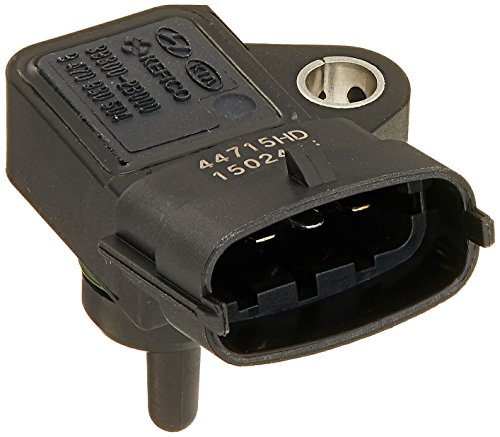 Representative Photo, actual item may vary




What Is a Fuel Injection Manifold Pressure Sensor?
Fuel injection manifold pressure sensors — more commonly known as MAP (Manifold Absolute Pressure) sensors — are among the most critical components in a modern engine management system. Typically found in fuel-injected engines, the MAP sensor is one of the sensors an engine control module (ECM) uses to calculate fuel injection for optimal air-fuel ratio by continuously monitoring intake manifold pressure information. Without accurate data from this small but vital sensor, your engine simply cannot deliver the right mixture of air and fuel for efficient combustion.
How Does a MAP Sensor Work?
The MAP sensor monitors pressure changes within the intake manifold through a vacuum tube connection, converting pressure variations into electrical signals that the Engine Control Unit (ECU) uses to optimize fuel delivery. When you press the accelerator, the air pressure in the intake manifold rises — the MAP sensor instantly senses this and tells the ECU that the engine needs more fuel to match the higher load. When you let off the pedal, the pressure drops, signaling the ECU to reduce fuel delivery.
The MAP sensor also provides a vital role in helping the ECM determine when ignition should occur under varying engine load conditions. More commonly a mass airflow (MAF) sensor is used in place of a MAP sensor; however, turbocharged engines will typically use both a MAP and a MAF sensor. This makes the MAP sensor especially important for performance-oriented and forced-induction vehicles.
Why Does the MAP Sensor Matter?
When the sensor works properly, your engine delivers smooth power, consistent fuel economy, and clean emissions. A failing sensor sends inaccurate or no data at all, forcing the ECU to make poor guesses about fuel delivery, which quickly affects drivability. The manifold pressure sensor can also be used for diagnostics, as it measures throttle performance, turbo performance, and can detect leaks in the inlet manifold.
Common signs that your MAP sensor needs attention include:
- A persistent check engine light (especially codes related to manifold pressure), rough or unstable idle, hesitation or stumbling during acceleration, and unexplained drops in fuel economy.
- Over time, MAP sensors can fail due to exposure to heat and engine vibration, or they may suffer damage or corrosion at the wiring connections or other parts of the sensor body.
What to Look for When Shopping MAP Sensors
When replacing a fuel injection manifold pressure sensor, fitment precision and signal accuracy are paramount. Look for sensors that meet or exceed OEM specifications for your specific vehicle's pressure range and connector type. Turbocharged applications may require higher-rated sensors capable of reading boost pressure above atmospheric levels. The MAP sensor measures the vacuum pressure inside the intake manifold, which changes with engine load and the relative atmospheric pressures in the driving environment, and communicates this information to the ECM so the module can modify engine timing and the fuel ratio for peak engine performance across all operating conditions.
Top Brands in Fuel Injection Manifold Pressure Sensors
Bosch is widely regarded as an industry standard-setter for MAP sensors. Bosch sensors are designed to meet or exceed a vehicle's original equipment specifications for performance, driveability, economy, and emissions, and the company continually improves its MAP sensor designs with the latest chip technology.
Facet brings a strong European aftermarket pedigree to this category. Facet is the leading European aftermarket parts manufacturer for engine management components, with a focus on brands like BMW, Mercedes, Volkswagen, Audi, Volvo, and Mini. Their sensors are built to meet exacting standards, supporting smooth throttle response and efficient fuel management, with high-quality materials and rigorous testing ensuring long-term stability and resistance to heat and vibration.