


Exhaust Header Pipe


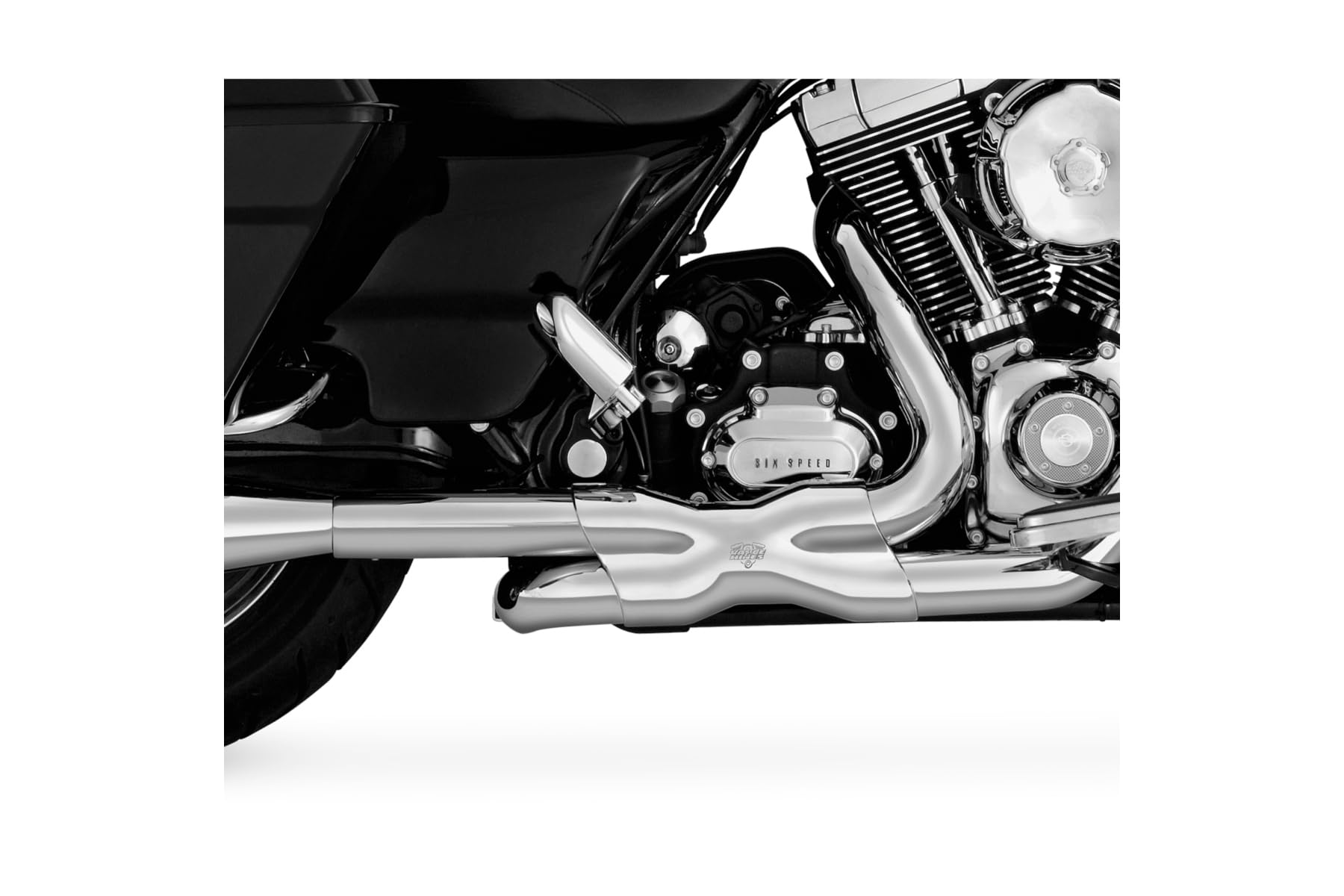 Representative Photo, actual item may vary


FlowTech Exhaust 10010FLT Block Hugger Toob 2.5" Collector Small Block Chevy


Flowmaster 814116 Scavenger Series Elite Ceramic Coated Header


Remus 0111 751624 RS 2.0 ECE-Approved Header Connecting Tube with Catalytic Converter
 Representative Photo, actual item may vary


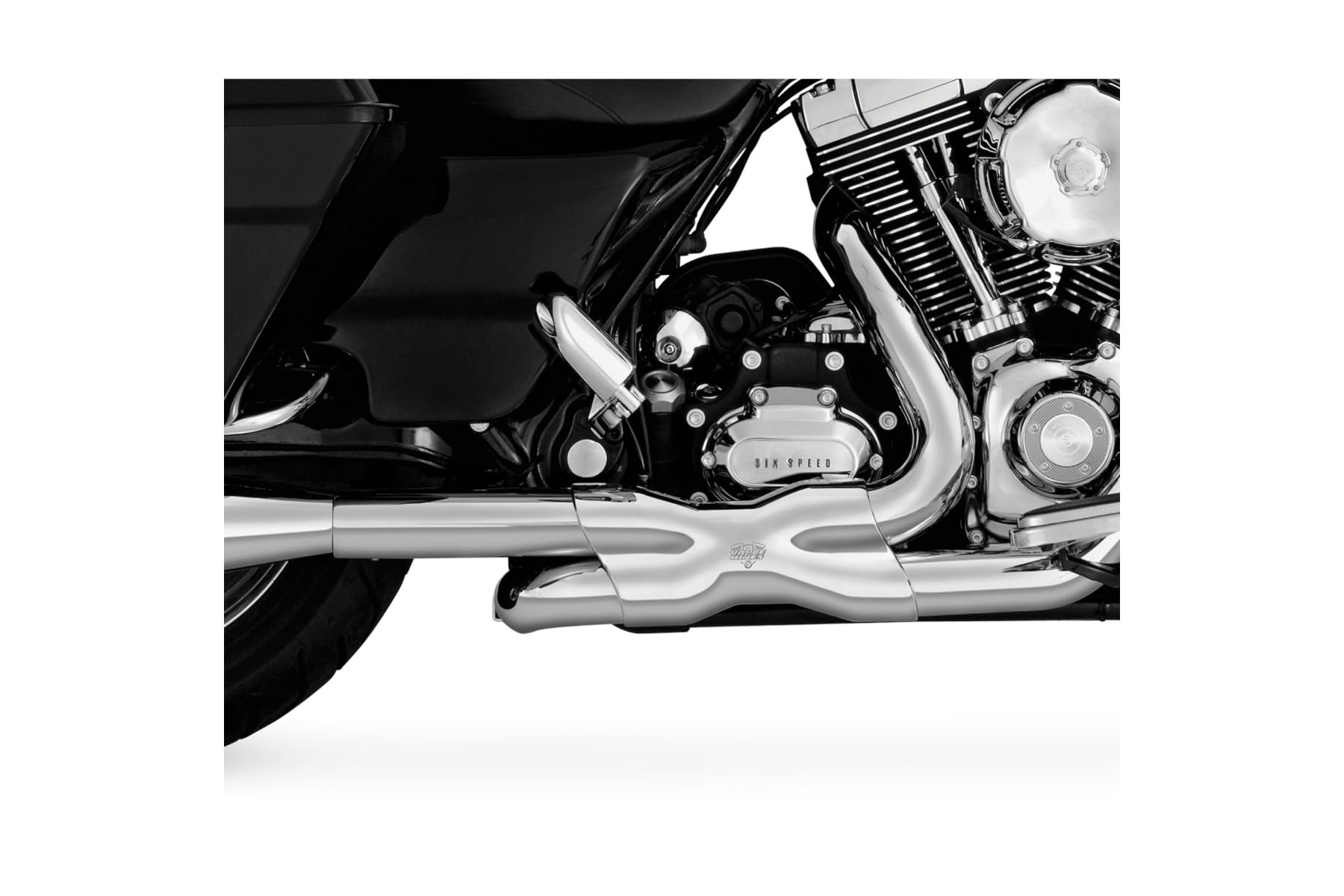 Representative Photo, actual item may vary

BBK 15332 Long Tube Headers Mid Pipe Kit Titanium Ceramic - with 1-5/8

 Representative Photo, actual item may vary


JBA Headers 36611SN 1-3/4" Long Tube 304 Stainless Steel Header Natural Finish



 Representative Photo, actual item may vary
Remus 0111 081819 Stainless Steel Header Pipe with Euro 4 Catalytic Converter for BMW C400
 Representative Photo, actual item may vary

 Representative Photo, actual item may vary
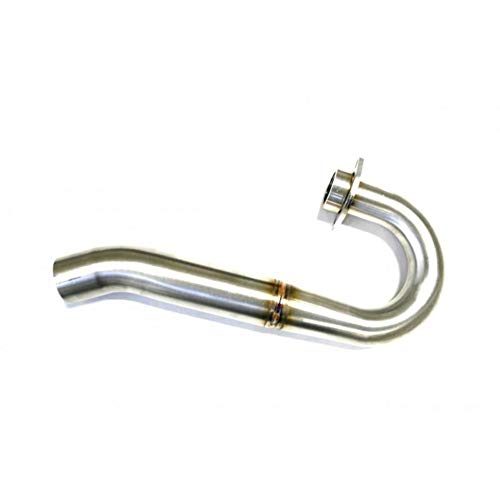 Representative Photo, actual item may vary

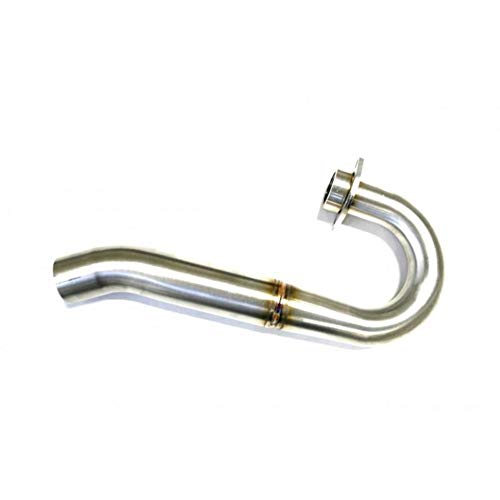 Representative Photo, actual item may vary
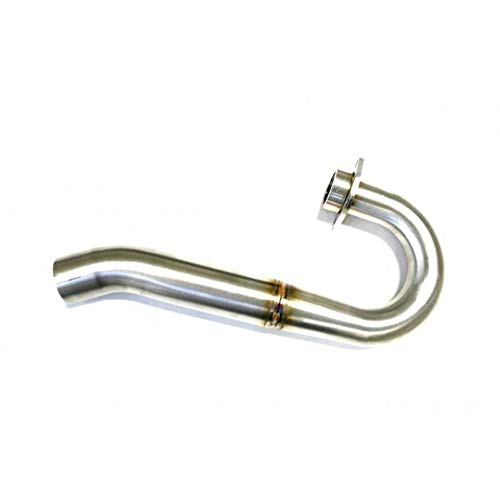 Representative Photo, actual item may vary
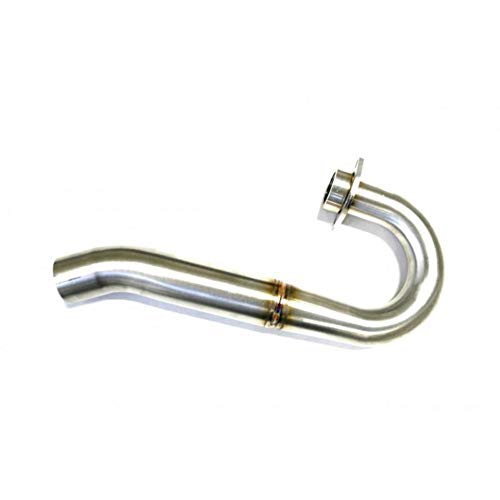 Representative Photo, actual item may vary
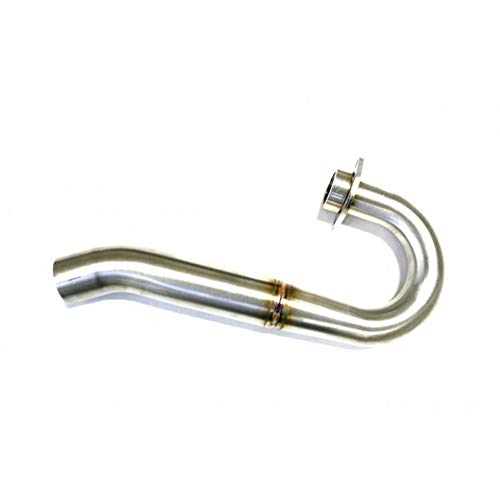 Representative Photo, actual item may vary
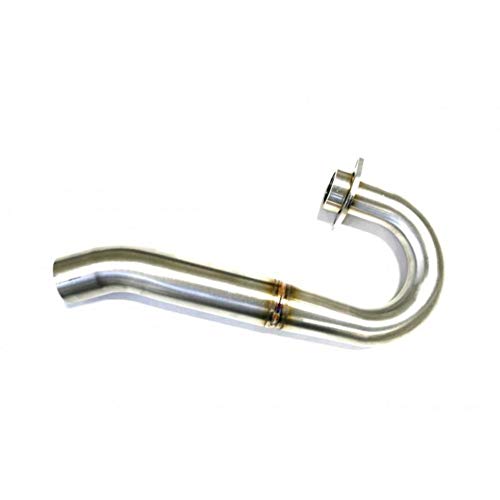 Representative Photo, actual item may vary
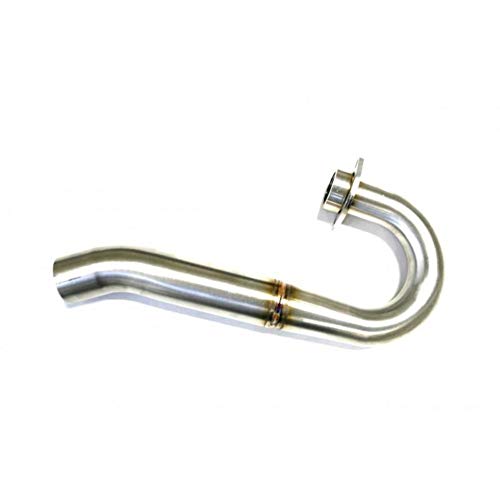 Representative Photo, actual item may vary
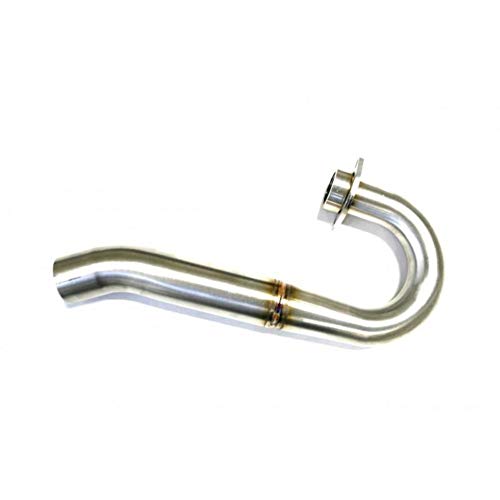 Representative Photo, actual item may vary
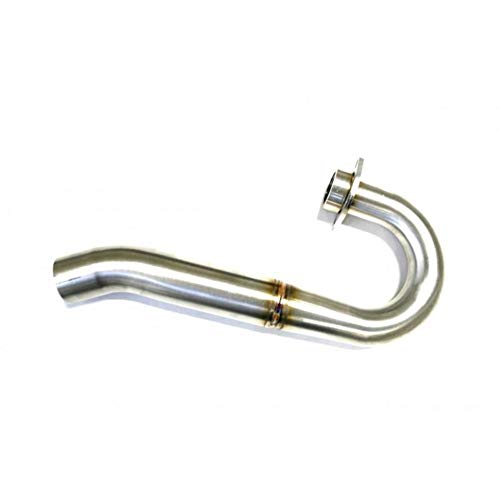 Representative Photo, actual item may vary
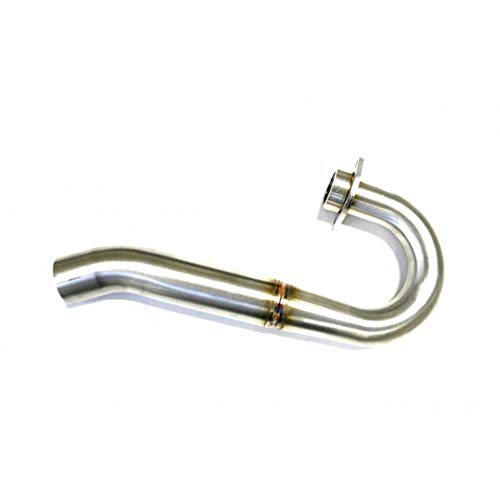 Representative Photo, actual item may vary
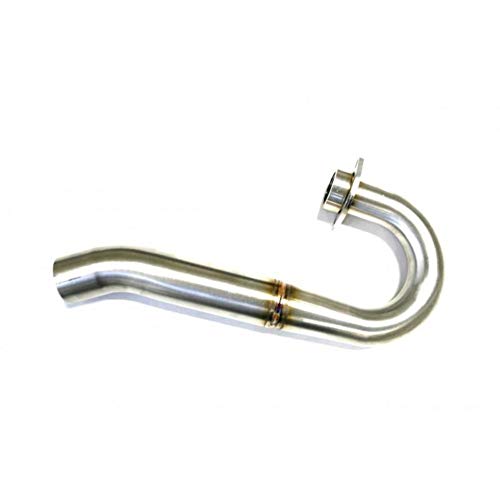 Representative Photo, actual item may vary
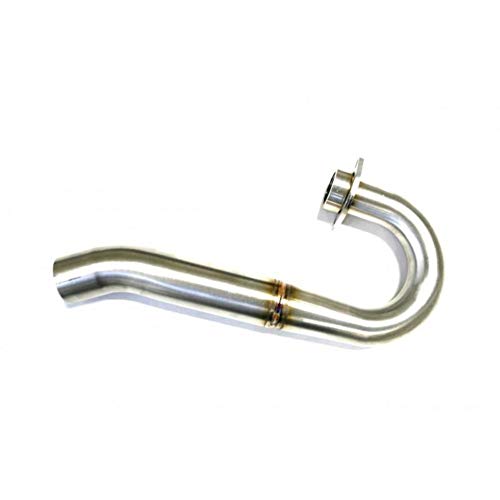 Representative Photo, actual item may vary
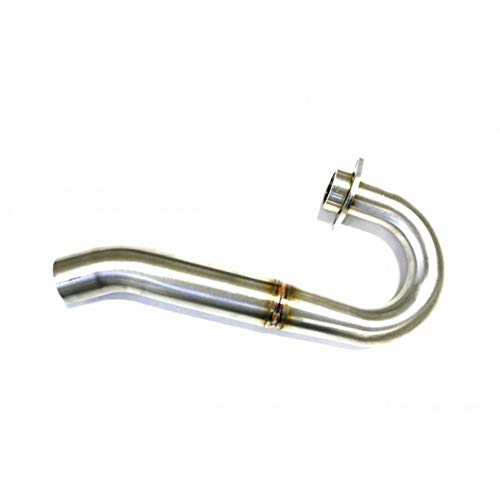 Representative Photo, actual item may vary

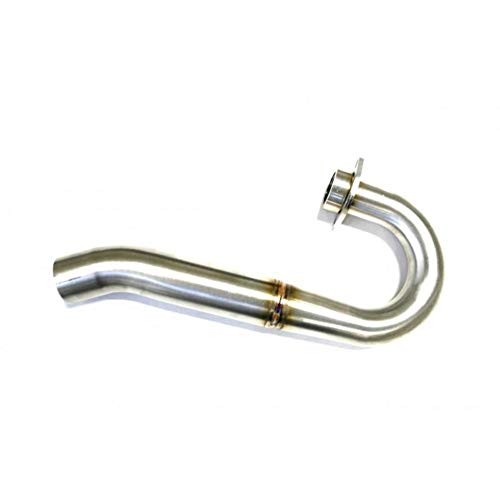 Representative Photo, actual item may vary
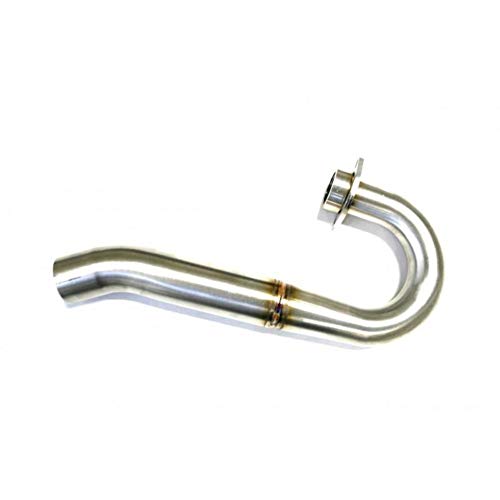 Representative Photo, actual item may vary

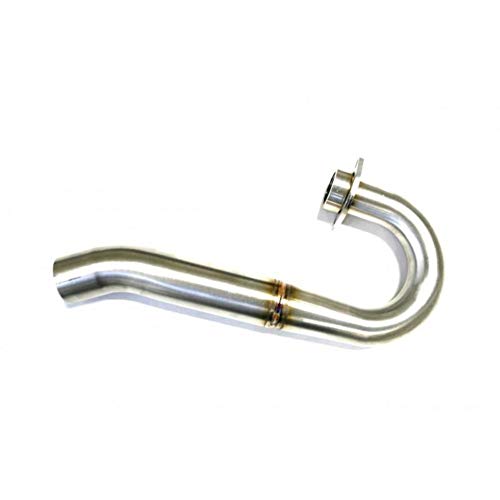 Representative Photo, actual item may vary
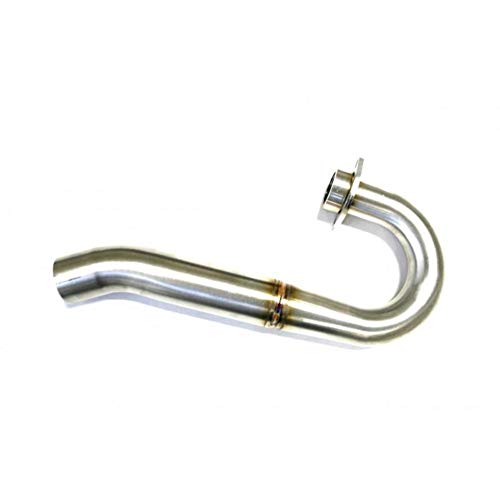 Representative Photo, actual item may vary
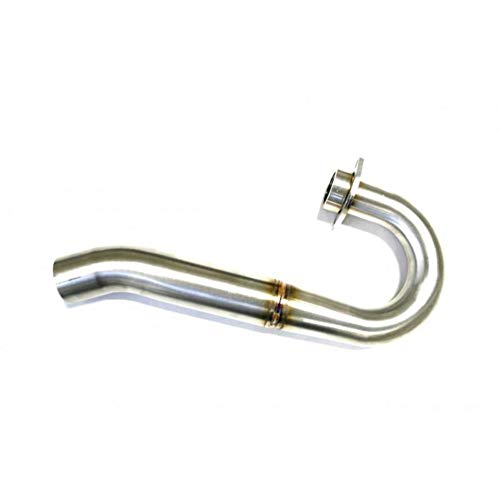 Representative Photo, actual item may vary
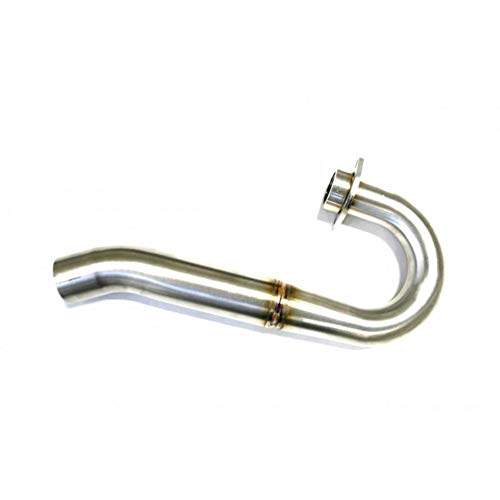 Representative Photo, actual item may vary
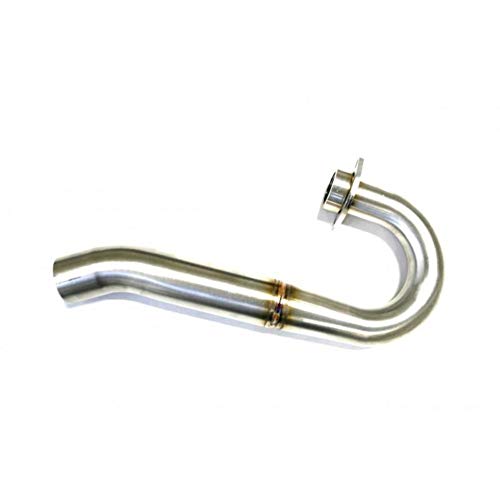 Representative Photo, actual item may vary
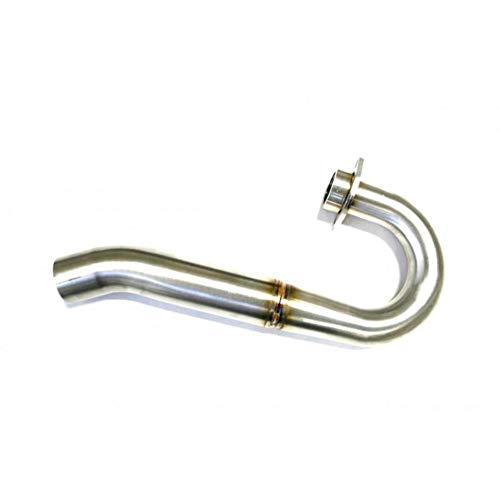 Representative Photo, actual item may vary
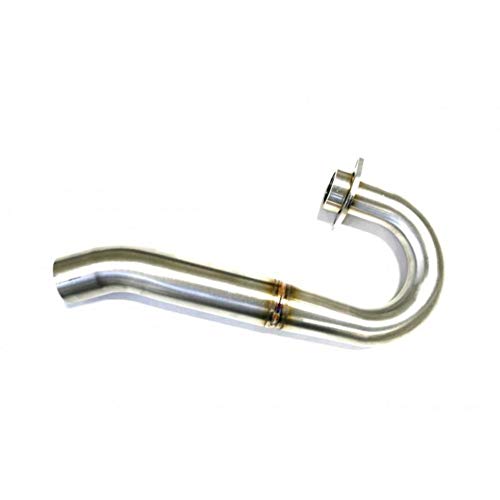 Representative Photo, actual item may vary
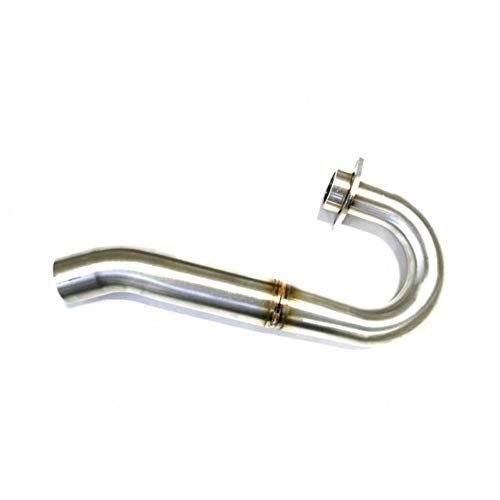 Representative Photo, actual item may vary
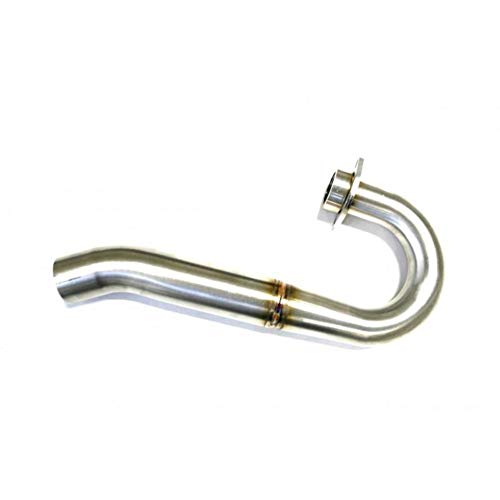 Representative Photo, actual item may vary
- 1
- 2
What Is an Exhaust Header Pipe?
The exhaust header pipe is one of the most consequential components in any exhaust system. Positioned directly at the engine's exhaust ports, the header pipe is the first section of tubing that combustion gases flow through after leaving the cylinders. Unlike the restrictive cast-iron manifolds found on many stock engines, aftermarket header pipes are engineered to maximize exhaust gas velocity and scavenging — the process by which outgoing exhaust gases help pull in a fresh air-fuel charge for the next combustion cycle. The result is a measurable improvement in horsepower, torque, and throttle response across the RPM range.
Why Header Pipe Diameter and Design Matter
The diameter, length, and bend profile of an exhaust header pipe all play a critical role in tuning engine output. Smaller-diameter pipes tend to build exhaust velocity at lower RPMs, boosting low-end torque — ideal for off-road trail riding or cruiser motorcycles. Larger-diameter headers favor high-RPM power, making them popular in racing applications. Many performance-oriented designs also incorporate crossover chambers or expansion chambers to further optimize exhaust pulse timing and scavenging efficiency. Material choice matters too: stainless steel offers excellent corrosion resistance and longevity, while titanium is prized in premium racing applications for its exceptional strength-to-weight ratio.
Replacing vs. Upgrading Your Header Pipe
Header pipes are replaced for two primary reasons: worn or damaged OEM pipes, or a deliberate performance upgrade. Stock headers are often manufactured to meet cost and emissions constraints rather than peak performance. Upgrading to an aftermarket header pipe can free up significant horsepower that was left on the table from the factory. It's worth noting that header pipe changes may affect fuel delivery calibration — recalibrating your fuel injection or re-jetting your carburetor after an exhaust upgrade is often recommended for best results.
Top Exhaust Header Pipe Brands
When shopping for exhaust header pipes, the brand behind the product matters as much as the pipe itself. Here are the top names in this category:
- S&S Cycle — S&S Cycle has been an industry leader in high-performance aftermarket motorcycle parts for V-twin bikes for more than 50 years. Their Power Tune Dual Header Systems are engineered specifically for Harley-Davidson touring models, featuring an improved pipe bend profile that moves exhaust heat farther away from the rider and passenger, while a hidden crossover chamber provides classic true dual styling with the improved midrange torque and horsepower of a 2-into-1 system.
- FMF — A dominant force in powersports exhaust, FMF 2-stroke expansion chambers and 4-stroke header pipes are built by hand using quality materials to withstand anything the track or trail can dish out. Their signature PowerBomb and MegaBomb lines feature a patented PowerBomb module placed at a precise key location in the system to maximize exhaust flow and power gains.
- FlowTech Exhaust — FlowTech is a well-regarded name in performance exhaust, known for delivering strong value with headers designed to improve exhaust flow and engine efficiency across a wide range of applications.
- Starla — Starla rounds out the lineup with header pipe options suited for riders seeking dependable fitment and reliable exhaust performance.
Choosing the Right Header Pipe for Your Application
Before purchasing a header pipe, confirm compatibility with your specific year, make, and model. Consider whether you're building for low-end grunt or peak horsepower, as pipe dimensions will differ accordingly. Also factor in your muffler or slip-on — many header pipes are designed to pair with specific muffler systems for optimized exhaust tuning. With the right header pipe installed, you'll notice sharper throttle response, a more aggressive exhaust note, and — in many cases — a meaningful gain in overall power output.