


Catalytic Converter Heat Shield


 Representative Photo, actual item may vary

Cali Raised LED CR3876 Catalytic Converter Shield for 2016-2023 Toyota Tacoma 2WD 6-Cylinder

Heatshield Products 177094 Cat Armor Catalytic Converter Heat Shield


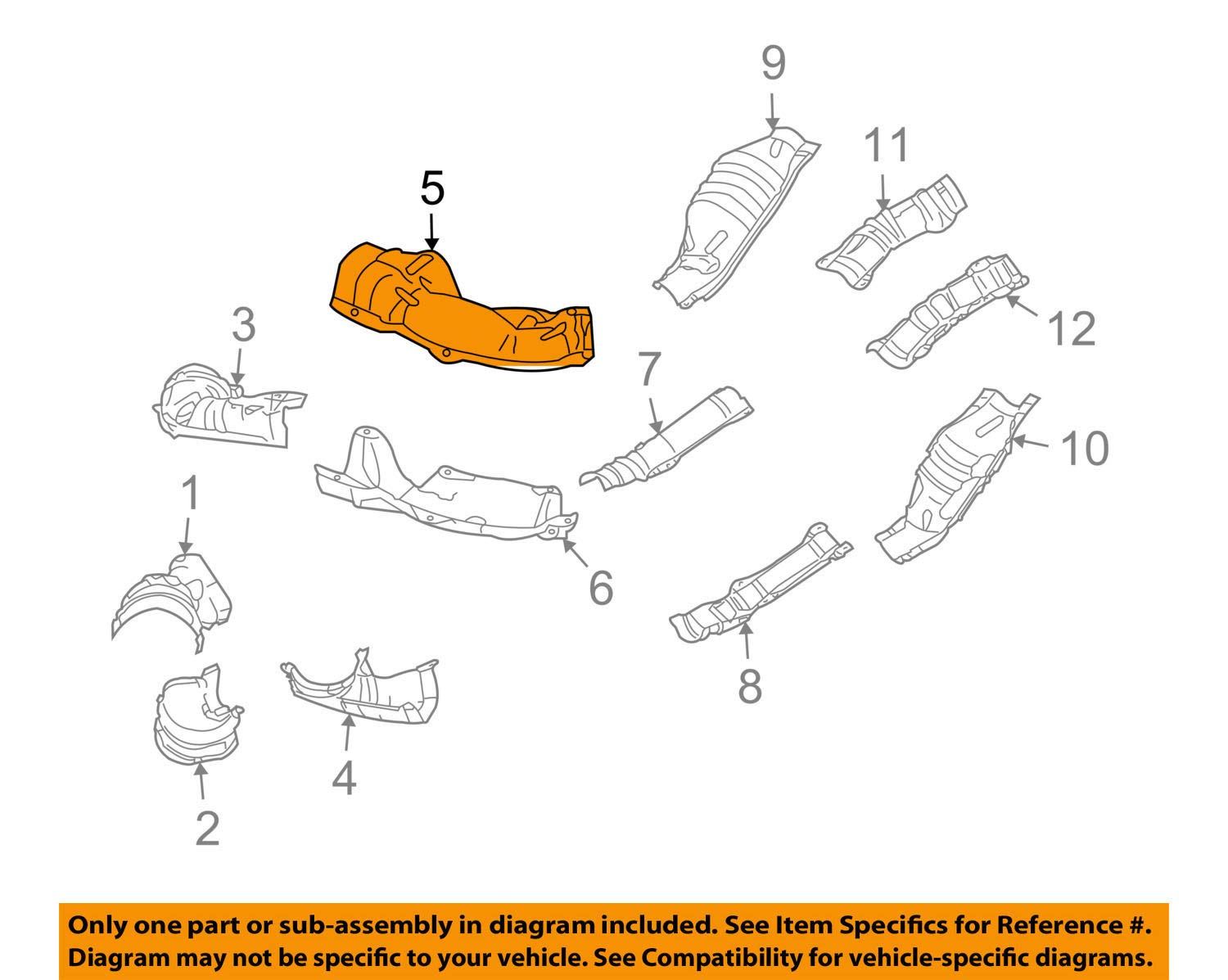 Representative Photo, actual item may vary

 Representative Photo, actual item may vary
Stout Manufacturing 10-1003 Catalytic Converter Shield for 2022+ Toyota Tundra Hybrid
 Representative Photo, actual item may vary
Stout Manufacturing 10-1001 Catalytic Converter Anti-Theft Shield for 2022+ Toyota Tundra
 Representative Photo, actual item may vary
Stout Manufacturing 10-1000 Catalytic Converter Shield Skid Plate for Toyota Tundra & Sequoia
 Representative Photo, actual item may vary
Dorman 927-933 Catalytic Converter Theft Deterrent Shield for Select Toyota Models

What Is a Catalytic Converter Heat Shield?
A catalytic converter heat shield is a thin metal cover that sits around or near the catalytic converter to block extreme heat from spreading to other parts of your vehicle. It is one of those easy-to-overlook components that quietly performs a critical job every time you drive. Its main job is to protect the car's body, fuel lines, wiring, and even the ground under the vehicle from dangerously high temperatures produced by the exhaust system.
Why Extreme Heat Management Matters
Catalytic converters operate at extremely high temperatures — often between 800°F and 1,600°F (430°C–870°C). Without a functioning heat shield in place, the consequences can range from minor annoyances to serious safety hazards. Without it, nearby parts can dry out, melt, or fail sooner than expected. This lowers wear and tear on the converter and related components, protects transmissions from excessive heat, and prevents radiant heat from melting nearby plastic or rubber components on the vehicle.
Catalytic converters have an integral heat shield to prevent grass fires (if possible) and to prevent the carpet from smoking on the inside of the car during times when the catalytic converter is blistering hot. The shield also reduces heat transfer to the cabin floor, which helps keep the interior more comfortable during long drives.
Signs Your Heat Shield Needs Attention
Because heat shields are tucked underneath the vehicle and often out of sight, many drivers don't notice damage until symptoms appear. Loose or broken shields often rattle, especially at low speeds or when starting the engine. Common causes of failure include corrosion from road salt and moisture, physical damage from hitting a curb or road debris, and worn fasteners that loosen over time from vibration and heat cycles.
Avoid driving with a damaged heat shield because it can cause problems. When replacement is needed, choosing the correct part for your specific vehicle is essential. It is essential to choose the right shield for your vehicle to ensure effectiveness.
OEM vs. Aftermarket: What to Consider
A catalytic converter heat shield can be made of various materials, but the most common material used is stainless steel. Other common materials used for heat shields include aluminum, basalt, fiberglass, fiberglass yarn, and silica. When shopping for a replacement, an OEM (Original Equipment Manufacturer) part is often the most reliable choice for fit and function. OEM replacement exhaust parts are the same parts your car left the factory with, made by the brand that provided the parts to the vehicle manufacturer. Factory-issue heat shields usually last as long as your vehicle, but can wear out and fail earlier.
Top Brands for Catalytic Converter Heat Shields
When it comes to sourcing a reliable catalytic converter heat shield, brand reputation and fitment accuracy make all the difference. Genuine is the leading name in this category, offering OEM-specification heat shields designed to restore your exhaust system to factory standards. These are the same parts your car left the factory with, and Genuine warrants all products against defects in material and workmanship under normal use and service for a period of 24 months/24,000 miles (whichever occurs first). For drivers who want the confidence of an exact-match replacement without the dealership markup, Genuine OEM heat shields are a straightforward, trusted solution.