


Suspension Strut Brace
 Representative Photo, actual item may vary

 Representative Photo, actual item may vary




 Representative Photo, actual item may vary
 Representative Photo, actual item may vary
 Representative Photo, actual item may vary

 Representative Photo, actual item may vary
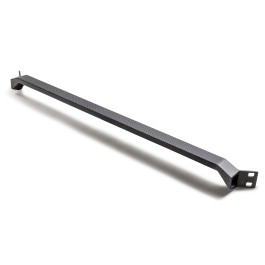 Representative Photo, actual item may vary



Torque Solution TS-SU-866-PR Front Strut Tower Brace Titanium Burnt Purple Blue

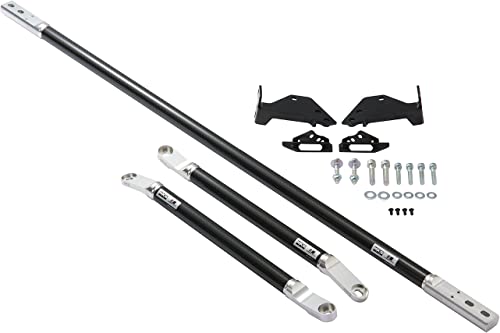 Representative Photo, actual item may vary


Torque Solution TS-SU-865-RW Rear Shock Tower Brace - Titanium Brushed Raw Finish


Torque Solution TS-SU-864-PR Titanium Front Strut Brace Burnt Purple Blue
 Representative Photo, actual item may vary


Megan Racing MR-SB-NS13RL-R Strut Tower Bar - CNC Billet Aluminum

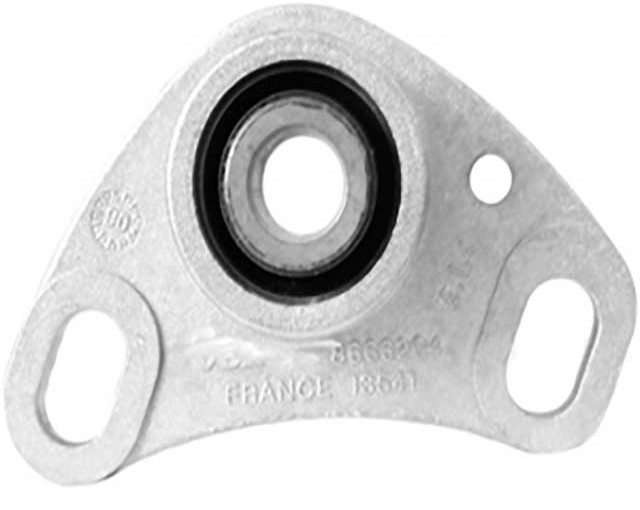 Representative Photo, actual item may vary



Megan Racing MR-SB-HP9201RL-B Rear Lower Brace Bar Subframe Reinforcement


Megan Racing MR-SB-SI15FU-1P-V2 V2 Race-Spec Front Upper Strut Bar for Subaru WRX/STI 2015+

Megan Racing MR-SB-HYE16FL-B Front Lower Brace for Hyundai Elantra 2016-2020
 Representative Photo, actual item may vary


HPS Performance Products 42-105R Front Strut Bar Tower Brace - Gloss Red 3-Piece Billet Aluminum



 Representative Photo, actual item may vary
Megan Racing LWT-CBS-HC92EX-DS Lightweight Chromoly Front Strut Tower Brace
 Representative Photo, actual item may vary

 Representative Photo, actual item may vary
 Representative Photo, actual item may vary
What Is a Suspension Strut Brace?
A suspension strut brace — also called a strut bar, strut tower bar, or strut tower brace (STB) — is a rigid connecting bar that links the left and right suspension strut towers on a vehicle's chassis. Though simple in concept, it addresses one of the most common weaknesses of modern unibody construction: chassis flex under load.
On vehicles equipped with a MacPherson strut suspension system — the design found on the majority of modern passenger cars — the entire vertical suspension load is transmitted to the top of each strut tower. Because strut towers are part of the inner wheel well rather than being directly attached to the main chassis rails, there is inherent flex between them whenever the car corners, brakes hard, or hits a bump at speed. A strut brace ties those two towers together, effectively adding the missing fourth side to the open "box" formed by the strut towers and subframe, reducing that unwanted movement.
Why Chassis Flex Matters
When a chassis flexes during cornering, suspension geometry shifts momentarily from what the engineers intended. This can cause the car to feel vague, unpredictable, or slow to respond to steering inputs. By reducing strut tower flex, a strut brace helps maintain consistent wheel alignment through corners, which translates to improved steering precision, more predictable handling, and better overall driver confidence. It also helps distribute cornering loads more evenly between both strut towers rather than concentrating stress on just one side.
Strut braces are particularly valuable for enthusiasts who have already upgraded to stiffer springs or coilovers — a stiffer suspension puts greater demands on the chassis, making rigidity even more important. Many OEM performance packages from major manufacturers include strut tower braces from the factory for exactly this reason.
Front vs. Rear Strut Braces
Strut braces can be installed at either the front or rear strut towers, or both. Stiffening the front end generally sharpens turn-in response, while adding a rear brace can help reduce oversteer tendencies on rear-wheel-drive platforms. Selecting the right configuration depends on your vehicle's existing handling balance and your driving goals — road course driving, autocross, and spirited street driving all benefit from different setups.
What to Consider When Shopping
- Material: Strut braces are commonly made from steel, aluminum alloy, or carbon fiber composites. Aluminum and carbon fiber units offer an excellent balance of rigidity and light weight.
- Single-piece vs. adjustable: Single-piece bars are generally stiffer and more durable; adjustable or hinged designs can make installation easier and allow repositioning for engine bay clearance.
- Fitment: Always verify engine bay clearance, especially if you have an aftermarket intake, supercharger, or other components sitting high in the bay.
- Application: Strut braces are most effective on MacPherson strut setups, though vehicles with other suspension configurations can still benefit.
Top Brands in Suspension Strut Braces
When it comes to trusted names in strut tower bracing, Cusco stands at the top of the list. One of Japan's most respected suspension tuning brands, Cusco has developed a broad lineup of strut braces spanning multiple vehicle platforms, from Subaru and Toyota sports cars to Nissan and Infiniti models. Their product range includes multiple construction tiers — from their popular all-aluminum Type OS to the premium aluminum-and-carbon-fiber Type ALC OS — giving drivers a choice of stiffness, weight savings, and aesthetics to match their build.