


Engine Wiring Harness Connector




ACDelco PT1194 GM OE Anti-Theft Resistor Connector Pigtail 3-Way Male

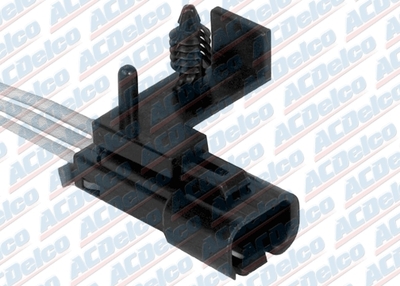 Representative Photo, actual item may vary




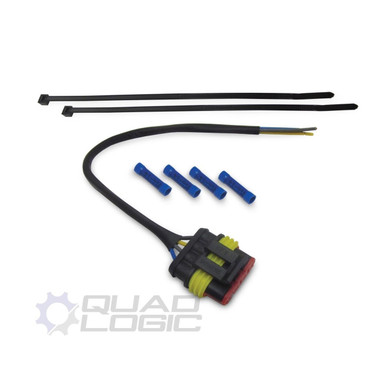 Representative Photo, actual item may vary
 Representative Photo, actual item may vary

 Representative Photo, actual item may vary

What Is an Engine Wiring Harness Connector?
The engine wiring harness acts as the central nervous system of a vehicle's engine, ensuring that all electrical components communicate seamlessly with each other. At the heart of this system are the engine wiring harness connectors — the individual plug-and-socket interfaces that join sections of the harness to sensors, actuators, relays, and control modules. Automotive wire harness connectors create connections and breaks between circuits while providing a connecting point for wires or the whole circuit.
Why Engine Wiring Harness Connectors Matter
The engine harness sends signals between the engine control unit (ECU) and various sensors and actuators to monitor and control the car's performance and efficiency. When a connector fails, the consequences can range from intermittent electrical gremlins to hard no-starts. Loose connections can cause intermittent issues, including engine misfires or sensor malfunctions. Rather than replacing an entire wiring harness — a costly and labor-intensive job — swapping out a single damaged connector is often the smarter, more economical repair.
High temperatures, vibrations, and chemical exposures are just a few of the harsh environments that the engine wire harness must withstand. This is why connector quality matters enormously. Sealed connector bodies with secondary locks prevent water intrusion and maintain terminal contact through vibration across equipment operating life.
What to Look for When Shopping Engine Wiring Harness Connectors
- OE Fit, Form, and Function: The replacement connector must match the original's pin count, locking tab design, and wire gauge to ensure a seamless, rattle-free installation.
- Material Quality: Terminals featuring high-grade materials like copper alloy, brass, and phosphor bronze provide prolonged life and superior performance in harsh environments.
- Sealing and Protection: Look for connectors with weatherproof seals, especially on sensors exposed to coolant, oil, or road spray near the engine bay.
- Certifications: Components manufactured to meet exact OE standards and produced in facilities certified to TS16949 and ISO9001 standards are designed for specific vehicle applications.
Signs Your Engine Wiring Harness Connector Needs Replacing
Constant heat, vibration, and mechanical stress can cause wires to fray or break. Watch for these warning signs: corroded or green-tinged terminals, cracked or brittle connector housings, melted plastic near high-current circuits, difficulty locking the connector tab, or persistent DTCs (diagnostic trouble codes) even after replacing the sensor itself. Regular inspection of the engine wiring harness for signs of wear and tear, corrosion, or loose connections can help identify potential issues before they lead to major engine problems.
Top Brands for Engine Wiring Harness Connectors
When it comes to sourcing a reliable replacement connector, brand reputation is everything. Standard Motor Products is the industry benchmark for aftermarket electrical connectors. Standard offers connectors in over 300 categories, manufactured with high-quality materials, and tested to match OE performance. Their direct-replacement wiring connectors help eliminate the need for a full harness replacement by letting you swap only the damaged connector for a cost-effective repair solution.