


PCV Valve Tubing













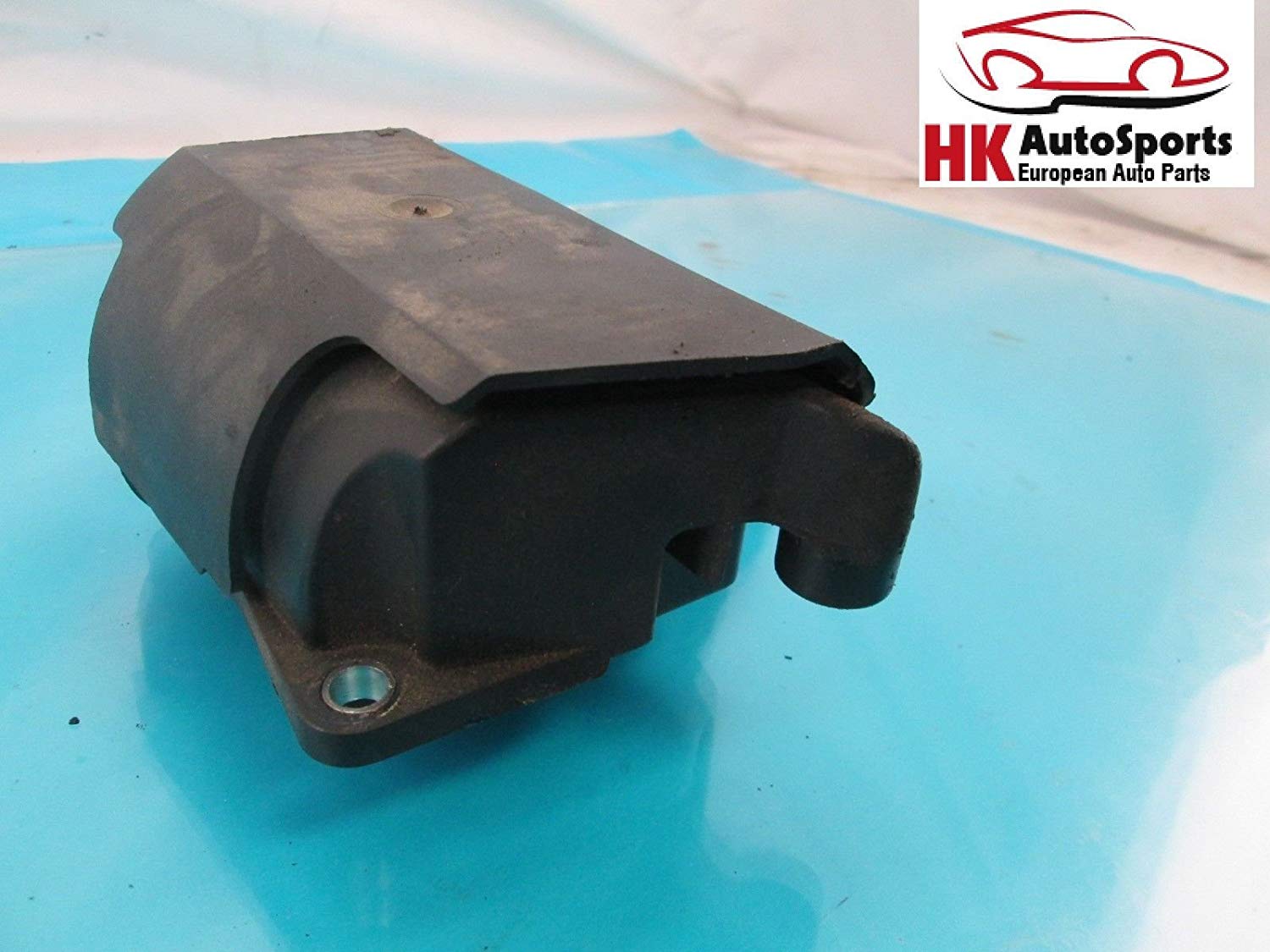 Representative Photo, actual item may vary


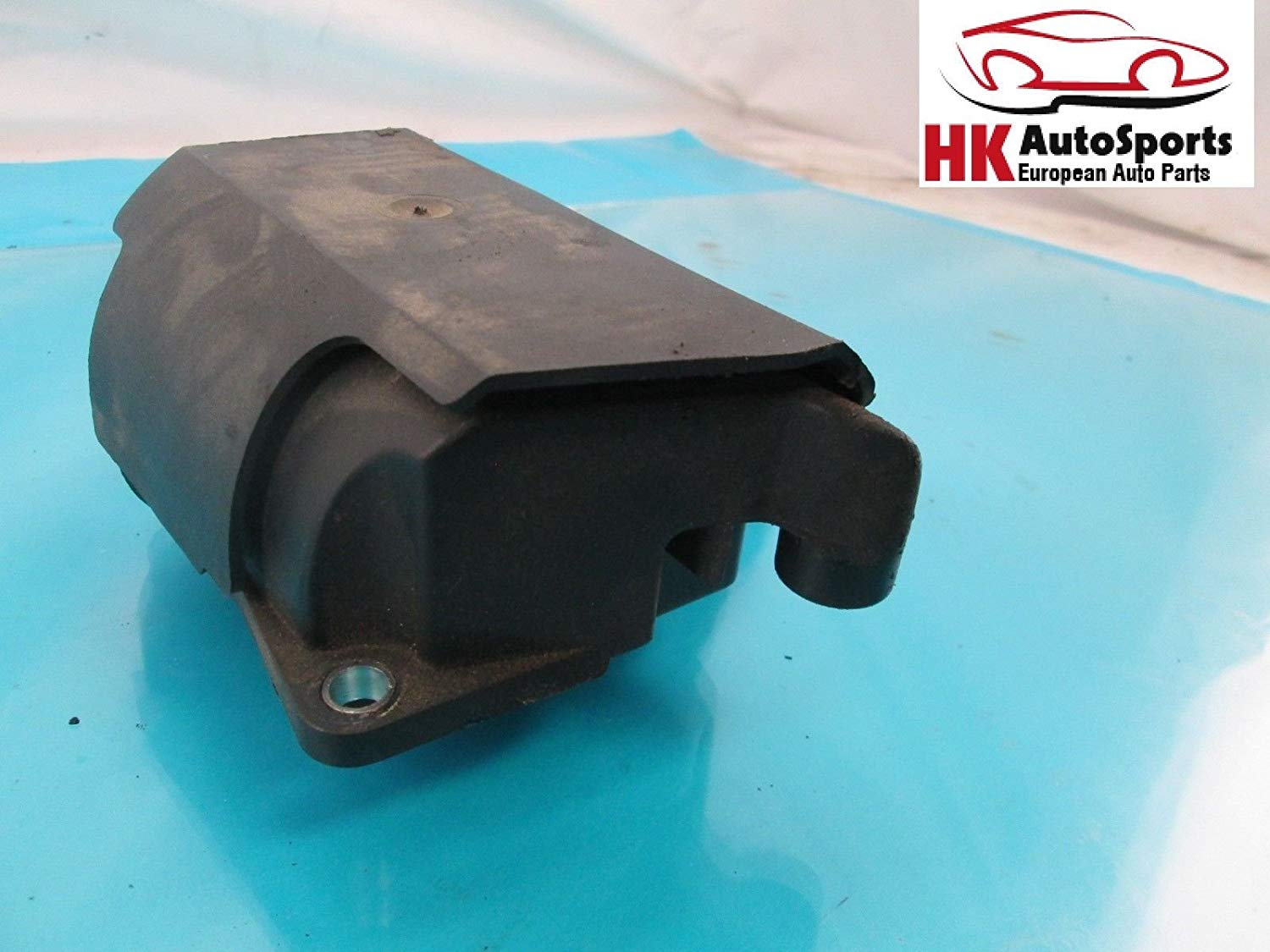 Representative Photo, actual item may vary

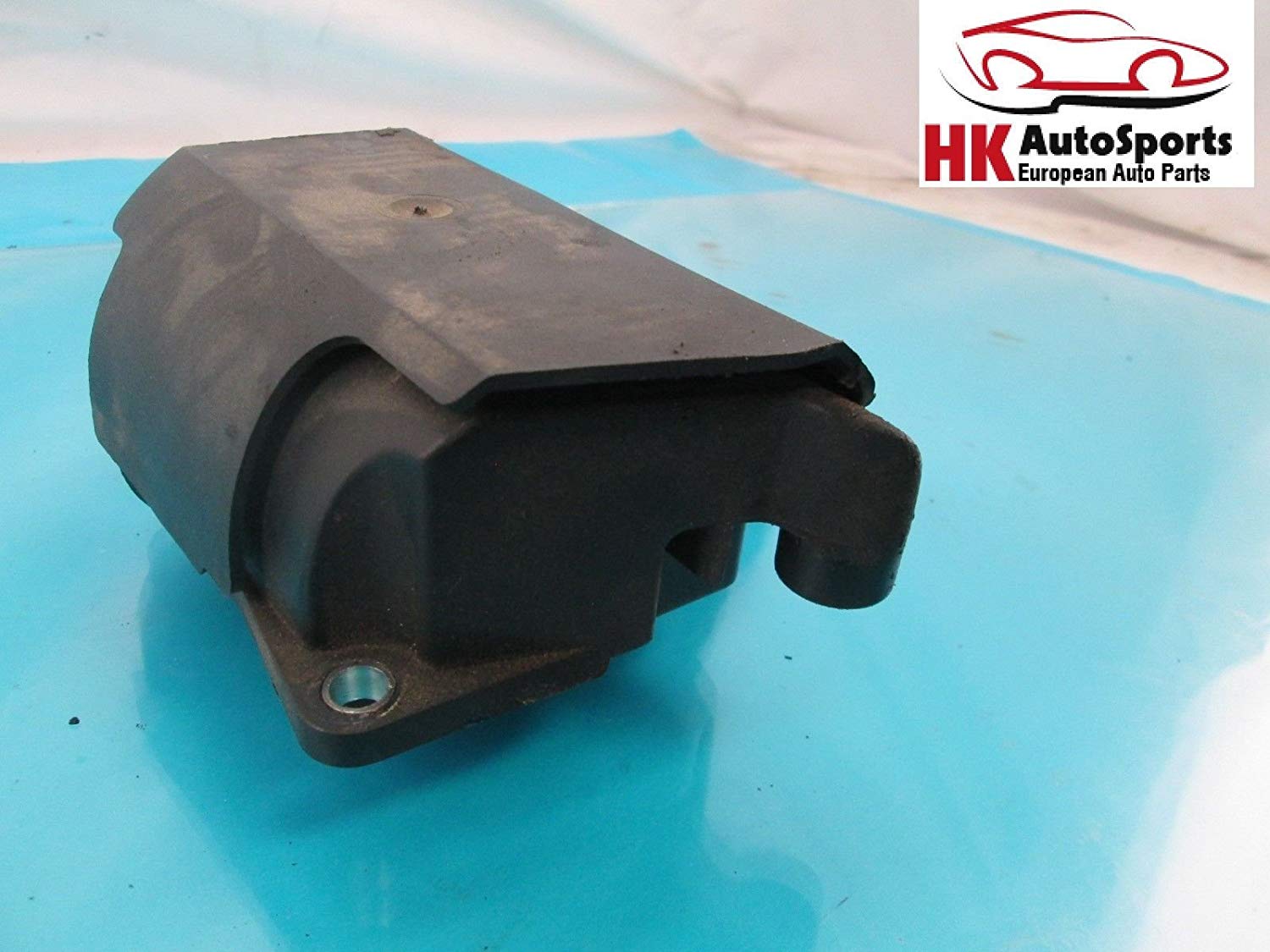 Representative Photo, actual item may vary


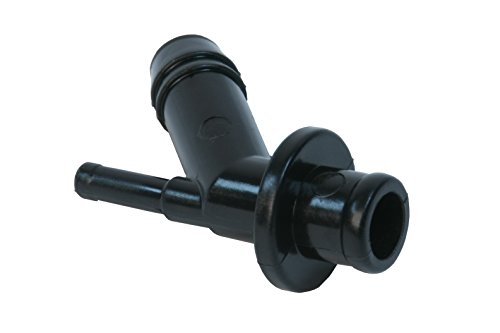 Representative Photo, actual item may vary


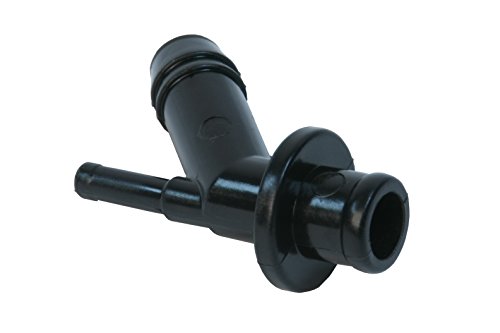 Representative Photo, actual item may vary

 Representative Photo, actual item may vary
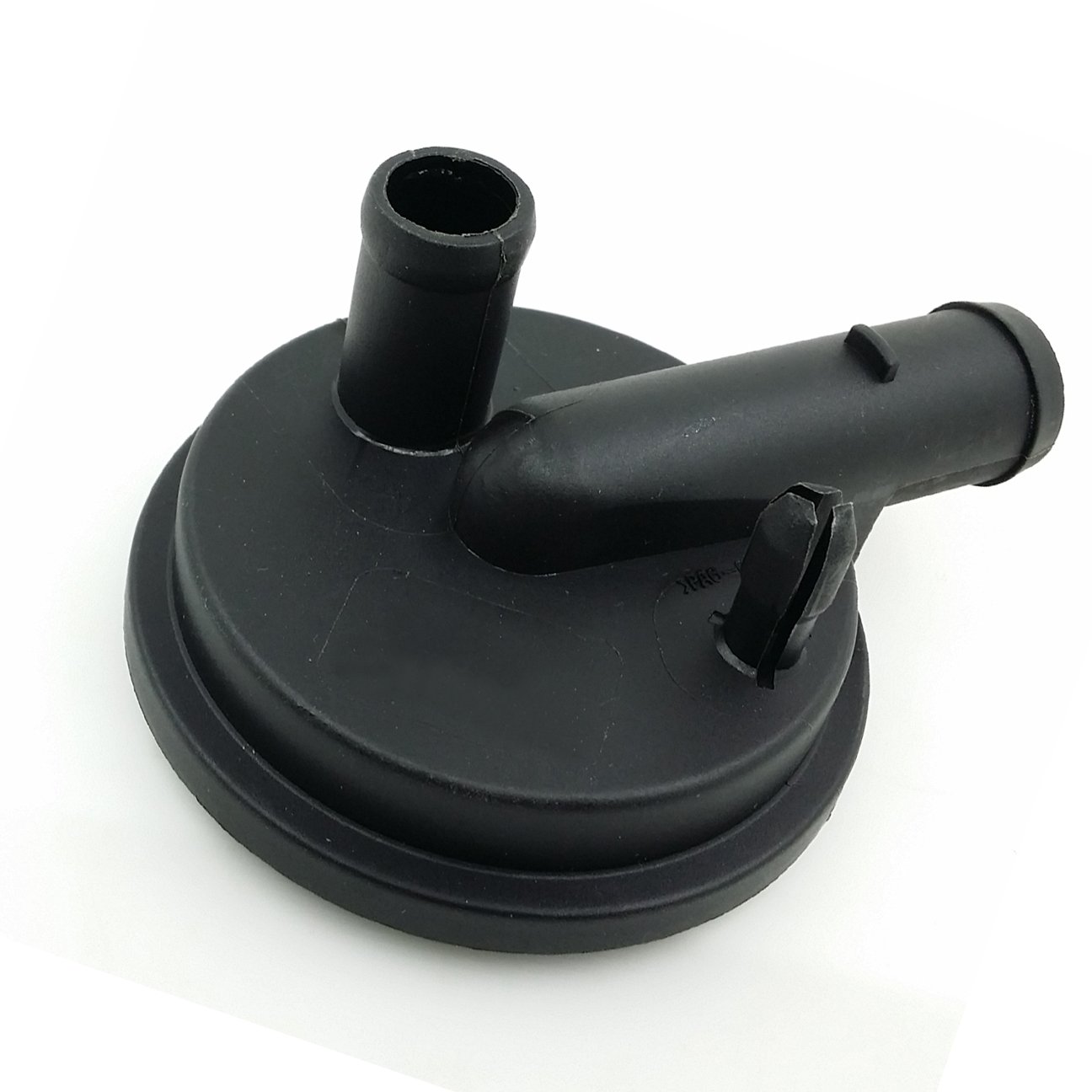 Representative Photo, actual item may vary


 Representative Photo, actual item may vary
What Is PCV Valve Tubing?
PCV valve tubing is the conduit that directs gases and oil vapors from the crankcase into the engine's intake system, where they are burned to reduce emissions. It connects the PCV valve to the rest of the PCV system at the valve nipple, preventing vaporized oil from leaking into the atmosphere or building up on the engine and underside of the hood.
During the combustion process, gases escape past the piston rings into the crankcase — including harmful vapors such as unburned hydrocarbons and blow-by gases. If these gases are left unchecked, they can lead to increased pressure inside the engine, resulting in oil leaks, decreased engine efficiency, and increased emissions. The tubing that routes these gases through the PCV system is a critical link in keeping that process functioning correctly.
Why PCV Valve Tubing Matters
The PCV system consists of the PCV valve, grommet, tube, and an air supply hose to the crankcase. While the valve itself gets most of the attention, the tubing connecting it is equally important. The rubber hoses and grommets that are part of the system can swell and loosen their connection to other parts of the engine — and if the connection is loose and sucking in unfiltered air between the air filter housing and the valve covers, it can grind bearings, overload the oil filter capacity, and generally cause serious engine damage.
A stuck open PCV valve or leaking hose results in a large vacuum leak, a rough idle, and drivability issues like surging. In other words, a cracked or degraded PCV tube doesn't just affect emissions — it can directly disrupt how your engine runs. If you notice an exhaust smell, black exhaust smoke, engine oil leaks, or engine surges, check the PCV valve first to make sure it's not stuck open or closed — and if it's in working order, inspect the valve tubing for any damage, clogs, or other issues.
What to Look for When Replacing PCV Valve Tubing
Because PCV tubing lives in a harsh environment — subject to engine heat, oil mist, and vacuum pressure — material quality is the most important factor when shopping for a replacement. Look for tubing that is specifically rated to resist oil vapor, extreme temperatures, and long-term cracking. Fit matters just as much: when replacing PCV system components, make sure the replacement matches the original, since external appearances can be misleading — parts that look the same on the outside may be calibrated or sized differently inside. Always verify fitment by year, make, model, and engine size before purchasing.
Top Brands for PCV Valve Tubing
Dorman is a leading name in PCV valve tubing, offering a wide range of vehicle-specific hoses and tube assemblies for domestic and import applications. Dorman's PCV tubing is designed to withstand exposure to extreme temperatures and oil vapors to resist cracking and leaking, replaces the original tubing on specified vehicle years, makes and models, and has undergone try-on and material testing to ensure a quality fit and long service life.