


Drive Shaft Flex Joint
 Representative Photo, actual item may vary

 Representative Photo, actual item may vary
 Representative Photo, actual item may vary
 Representative Photo, actual item may vary
 Representative Photo, actual item may vary
 Representative Photo, actual item may vary
 Representative Photo, actual item may vary
 Representative Photo, actual item may vary


MEYLE 014 152 2109/HD Heavy Duty Driveshaft Flex Disc Joint - 014 152 Kit
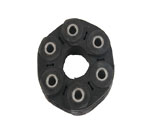 Representative Photo, actual item may vary

 Representative Photo, actual item may vary


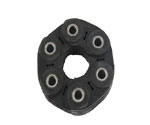 Representative Photo, actual item may vary


 Representative Photo, actual item may vary
OEM 202-410-06-15 Mercedes-Benz Driveshaft Flex Disc Kit with Mounting Hardware


 Representative Photo, actual item may vary

 Representative Photo, actual item may vary

 Representative Photo, actual item may vary
 Representative Photo, actual item may vary
 Representative Photo, actual item may vary


 Representative Photo, actual item may vary
 Representative Photo, actual item may vary
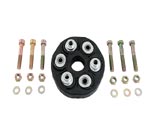 Representative Photo, actual item may vary
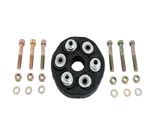 Representative Photo, actual item may vary
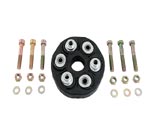 Representative Photo, actual item may vary


 Representative Photo, actual item may vary
 Representative Photo, actual item may vary


 Representative Photo, actual item may vary


 Representative Photo, actual item may vary


What Is a Drive Shaft Flex Joint?
Also known as a flex disc or giubo (pronounced JOO-boh), the drive shaft flex joint is a deceptively simple component that plays a critical role in your vehicle's driveline. It is a flexible coupling used to transmit rotational torque between the drive shaft and the companion flange — typically connecting the transmission output to the driveshaft, or the driveshaft to the rear differential. Rather than relying on a rigid metal-to-metal connection, the flex joint uses reinforced rubber to bridge the gap, allowing the system to breathe as the drivetrain moves under load.
How Does It Work?
The flex joint is made from flexible synthetic rubber and is designed to allow some angular and axial misalignment while reducing driveline vibration. Input and output shaft flanges are bolted to the joint on alternating hole positions, so torque passes entirely through the rubber coupling rather than a direct metal link. The elasticity of the rubber absorbs vibration and accommodates minor alignment deviations, making for a smoother, quieter driving experience. Because the rubber must handle the full transmitted torque of the drivetrain, it is typically reinforced internally with molded-in fiber material for added strength and longevity.
Which Vehicles Use a Drive Shaft Flex Joint?
Drive shaft flex joints are most commonly found on rear-wheel drive and four-wheel drive vehicles, where they connect the drive shaft to the transmission or the differential. European makes like BMW, Mercedes-Benz, Jaguar, Porsche, and Audi are particularly well known for using flex joint designs rather than conventional U-joints at the transmission end. Domestic applications also exist, appearing on models such as the Pontiac GTO, Cadillac CTS, and Dodge Charger, among others.
Signs of a Worn Flex Joint
Because the flex joint is made primarily of rubber, it degrades over time due to heat, corrosion, oxidation, and the constant stress of normal operation. Once you start to see cracks or frayed edges on the rubber disc, it is a clear signal that replacement is due. A failing flex joint can also manifest as driveline shudder, vibration at highway speeds, or clunking during acceleration and deceleration. Addressing a worn flex joint promptly prevents added stress on surrounding driveline components such as the center support bearing and differential.
Choosing the Right Flex Joint
Fit is everything with flex joints. Key specifications include outer diameter, inner diameter, pitch circle diameter, number of bolt holes, and thickness — all of which must match your vehicle's OE requirements exactly. Always verify fitment by consulting your vehicle's service manual or using a parts catalog lookup by year, make, and model before purchasing.
Top Brands in Drive Shaft Flex Joints
Beck/Arnley is a trusted name for foreign nameplate driveline components. Beck/Arnley parts are engineered to meet OE specifications for form, fit, and function, with product specialists working through a global sourcing network to ensure the right part for your specific application. Their flex joints are a popular choice for BMW, Mercedes-Benz, and Kia driveline repairs where precision fit is non-negotiable.
Febi Bilstein brings a broad catalog of flex joint options, covering BMW, Mercedes-Benz, Jaguar, Volkswagen, and Audi applications with rubber/metal construction engineered to OE tolerances. Febi's wide range of part numbers — spanning decades of European vehicle models — makes them a go-to source for technicians and enthusiasts working on a variety of import nameplates.