


A/C Refrigerant Hose Fitting
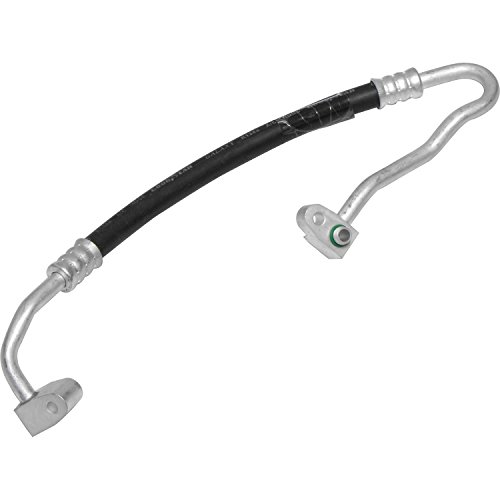 Representative Photo, actual item may vary


Mr. Heater F271158-12 1 Foot Propane Hose Assembly with ACME Nut and 1/4" Inverted Male Flare


 Representative Photo, actual item may vary

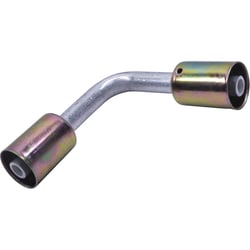

Mr. Heater F271149-72 6-Foot Propane Hose Assembly 3/8 Inch Female Flare Brass


 Representative Photo, actual item may vary


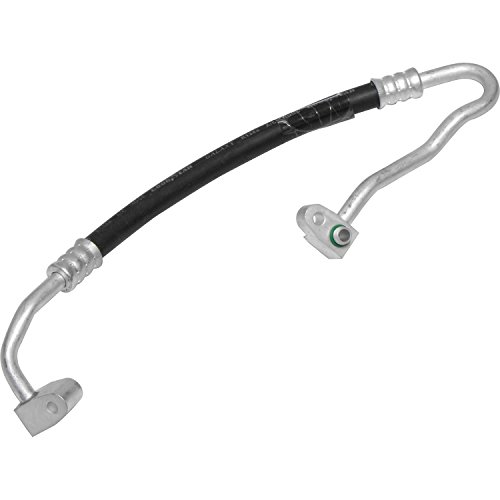 Representative Photo, actual item may vary
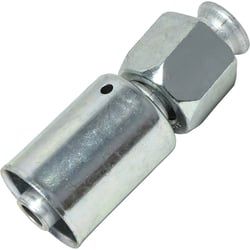
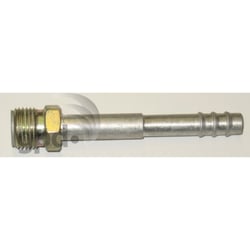

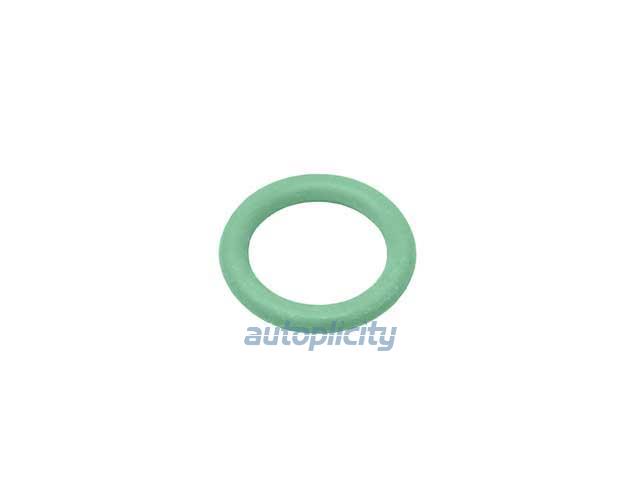 Representative Photo, actual item may vary

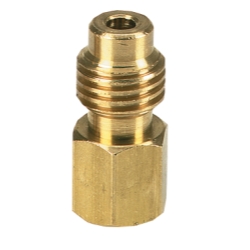 Representative Photo, actual item may vary


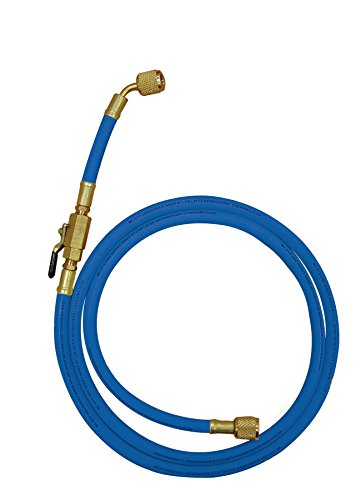 Representative Photo, actual item may vary


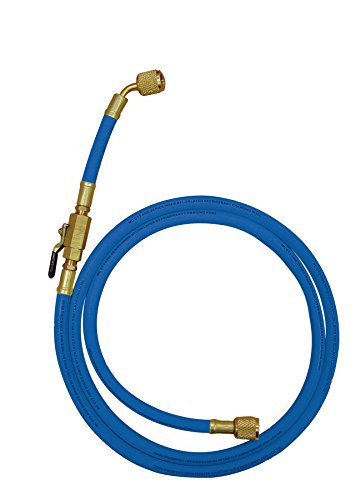 Representative Photo, actual item may vary


Universal Air Conditioner FT1321C A/C Refrigerant Hose Fitting - 90 Degree Female O-Ring #6 Barb

 Representative Photo, actual item may vary

 Representative Photo, actual item may vary
CPS Products AD24 1/4" Male Flare Adapter with Cap and Valve Core to 1/8" MNPT (6-Pack)

Universal Air Conditioner FT0056C 90-Degree Female Flare A/C Refrigerant Hose Fitting


 Representative Photo, actual item may vary


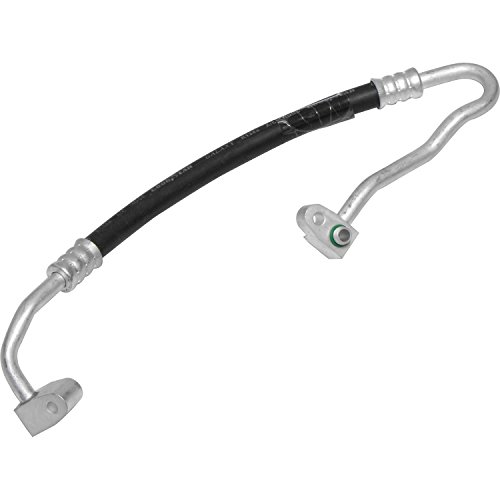 Representative Photo, actual item may vary
 Representative Photo, actual item may vary


Universal Air Conditioner FT0092SBC A/C Refrigerant Hose Fitting -10 Straight Beadlock
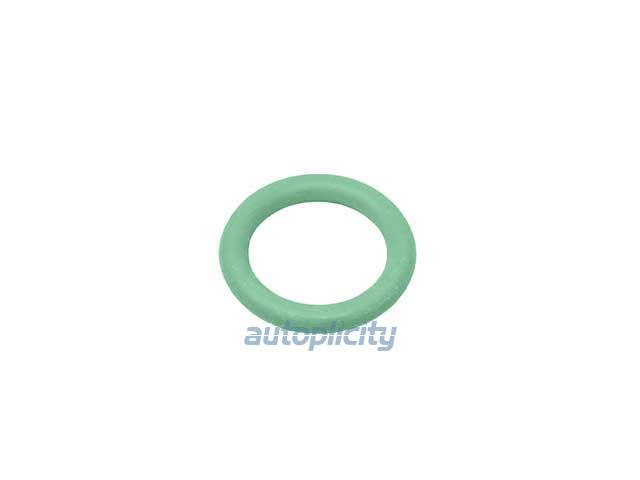 Representative Photo, actual item may vary
 Representative Photo, actual item may vary

 Representative Photo, actual item may vary
 Representative Photo, actual item may vary


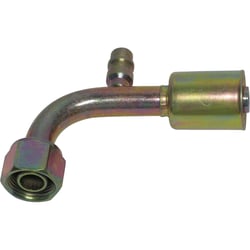
Universal Air Conditioner FT1323-3SBC A/C Refrigerant Hose Fitting #10 90° Beadlock with Service Port
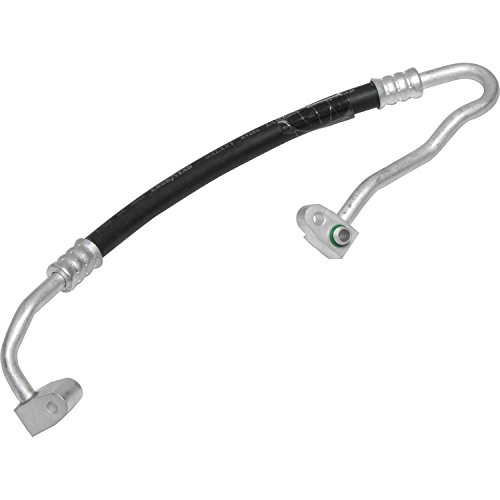 Representative Photo, actual item may vary
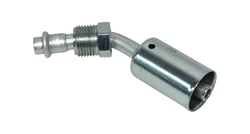
Universal Air Conditioner FT0094C A/C Refrigerant Hose Fitting #6 45-Degree Beadlock

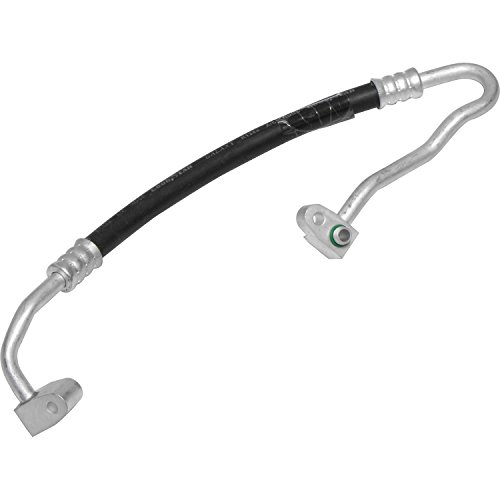 Representative Photo, actual item may vary
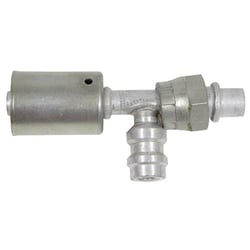



 Representative Photo, actual item may vary


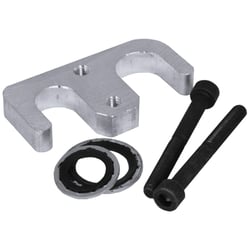
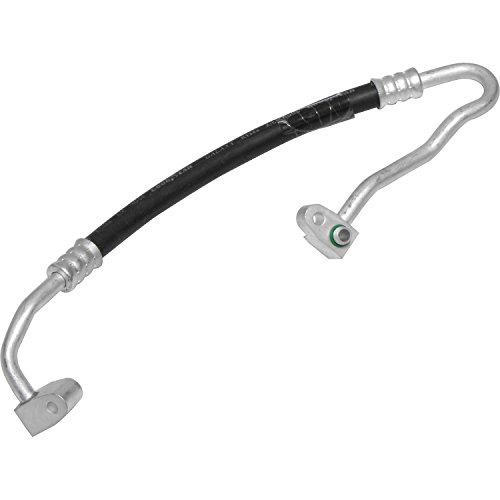 Representative Photo, actual item may vary
What Are A/C Refrigerant Hose Fittings?
A/C refrigerant hose fittings are the critical connection points that join refrigerant hoses, hard lines, and major components throughout your vehicle's air conditioning system. Without properly functioning fittings, even a brand-new compressor or condenser cannot do its job. These small but essential components form the sealed joints that keep refrigerant circulating through the system's high- and low-pressure sides — from the compressor to the condenser, through the expansion valve, and back through the evaporator.
Your vehicle's A/C system operates as a closed loop: the high-pressure side carries hot, compressed refrigerant gas from the compressor to the condenser, while the low-pressure side moves cooled gas from the evaporator back to the compressor. Every transition between hose segments and components in this loop depends on a fitting that can maintain a leak-proof seal under wide swings in temperature and pressure.
Types of A/C Refrigerant Hose Fittings
There is a wide variety of fitting styles, each suited to specific applications and hose types:
- Compression Fittings – Use a compression nut to clamp securely around aluminum or rubber lines, making them ideal for in-line repairs and line splicing without special crimping tools.
- Beadlock Fittings – Feature an O-ring end on one side and a locking steel collar on the other that must be crimped onto the hose for a permanent, leak-free seal — commonly found on modern OEM-style repairs.
- Swivel Fittings – Allow flexible hose movement and rotation during installation, reducing stress on the hose and surrounding components.
- Bulkhead Fittings – Designed to route refrigerant lines cleanly through firewalls or panels.
- Elbow and Tee Fittings – Redirect refrigerant flow around tight engine bay spaces where straight connections are not possible.
- Block-Off Fittings – Cap and seal unused or decommissioned A/C ports, such as when deleting a rear climate system.
Why Fitting Quality Matters
A refrigerant hose fitting that fails — even slightly — can have cascading consequences for your entire A/C system. Because refrigerant molecules are extremely small, they escape quickly through even minor imperfections in seals or connections. A slow refrigerant leak reduces cooling efficiency, forces the compressor to work harder, and can eventually allow moisture and contaminants to enter the system, degrading compressor oil and internal components. Choosing fittings made from corrosion-resistant materials, such as aluminum, and using the correct O-rings and seals for your refrigerant type (R-134a, R-1234yf, etc.) is essential for long-term system health.
What to Look for When Shopping
When selecting A/C refrigerant hose fittings, start by matching the fitting style and size to your existing hose and line specifications — both SAE and metric sizes are common depending on vehicle make and model. Consider whether the repair calls for a tool-free compression fitting or a crimped beadlock style for a more permanent connection. Always replace O-rings and seals at the same time as fittings, and perform a pressure test after installation to confirm no refrigerant leaks are present before returning the system to service.
Top Brands in A/C Refrigerant Hose Fittings
For proven reliability in A/C line repair, S.U.R.&R. Auto is one of the most trusted names in the category. Founded by an automotive repair shop owner and now a division of Husky Corporation, S.U.R.&R. has specialized in fluid line repair solutions since 2000 — offering compression fittings, unions, reducers, and block-offs in both standard and metric sizes, all crafted from lightweight aluminum that resists rust and corrosion.