


Engine Cooling Fan Assembly


Mopar Performance 05137714AA Radiator Cooling Fan Motor Assembly Left Driver Side



 Representative Photo, actual item may vary


APDI 6022102 Dual Radiator and A/C Condenser Cooling Fan Assembly





CoolXpert 1J0-959-455 S Auxiliary Cooling Fan Assembly 345mm 300W Left Side



Behr 64-54-6-921-381 Auxiliary Cooling Fan Assembly Electric A/C Condenser Fan


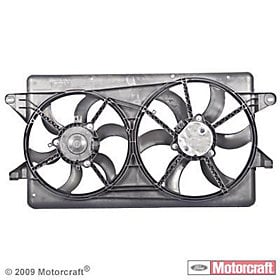 Representative Photo, actual item may vary


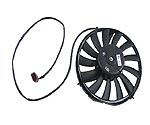 Representative Photo, actual item may vary

 Representative Photo, actual item may vary
 Representative Photo, actual item may vary


GPD 2811238 14-Inch Universal Reversible Electric Cooling Fan Assembly 12V


Professional Parts SWEDEN 87435985 Engine Cooling Fan Assembly for Volvo


Dorman 621-601 Engine Cooling Radiator Fan Assembly with Brushless Motor

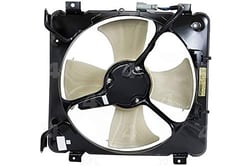
Four Seasons 76351 Electric Radiator Cooling Fan Assembly OE Replacement
Four Seasons 76357 Dual Radiator and Condenser Fan Motor Assembly

Four Seasons 76362 Electric Radiator Fan Assembly Single Puller
 Representative Photo, actual item may vary
 Representative Photo, actual item may vary


Dorman 621-561 Radiator Fan Assembly Without Controller Single Electric



 Representative Photo, actual item may vary
 Representative Photo, actual item may vary


GPD 2811241 Universal SPAL Electric Engine Cooling Fan Assembly 11-Inch Pusher


Hayden Automotive 3921 Super Duty 14 Inch Electric Pusher Cooling Fan


 Representative Photo, actual item may vary


What Is an Engine Cooling Fan Assembly?
The engine cooling fan assembly is one of the hardest-working components in your vehicle's thermal management system. Mounted at the front of the engine bay near the radiator, the cooling fan draws air through the radiator and intercooler to dissipate heat from the engine coolant — especially when vehicle speed alone isn't generating enough airflow, such as during low-speed driving, idling, or towing. Without a properly functioning fan assembly, coolant temperatures can climb rapidly, leading to overheating, potential engine damage, and costly repairs.
Types of Engine Cooling Fan Assemblies
Modern vehicles use one of two primary fan configurations: mechanical (belt-driven) fans and electric cooling fans. Mechanical fans are driven by the engine via a belt and fan clutch, and they have been the standard on rear-wheel-drive trucks and SUVs for decades. Electric fans, on the other hand, are powered by a motor and controlled by the vehicle's ECU or a dedicated temperature sensor, making them common on front-wheel-drive cars and performance builds where precise thermal control is critical.
A complete fan assembly typically includes the fan blade, the motor (for electric fans) or clutch (for mechanical fans), the shroud, and the mounting hardware. Replacing the full assembly — rather than individual components — often ensures the best fit, optimal airflow performance, and the longest service life.
Signs You Need a New Cooling Fan Assembly
- Engine temperature gauge climbing into the red zone, especially at idle or in stop-and-go traffic
- The A/C system underperforms because the condenser isn't being cooled adequately
- You hear grinding, rattling, or clicking noises coming from the front of the engine bay
- The fan clutch slips or the electric fan motor fails to engage
- Visible damage to fan blades or a broken shroud
What to Consider When Shopping for a Cooling Fan Assembly
When replacing your cooling fan assembly, fit and airflow capacity are the two most critical factors. Always verify compatibility with your specific year, make, model, and engine size. For towing applications or performance builds, consider an upgraded assembly that moves more CFM (cubic feet per minute) of air than the stock unit. Also pay attention to whether the assembly includes the shroud — the shroud directs airflow through the radiator core and can dramatically affect cooling efficiency.
Top Brands for Engine Cooling Fan Assemblies
For enthusiasts and professionals who demand more than factory cooling, Derale Performance is a standout name in the segment. Derale has built a reputation over decades for high-performance thermal management products, and their cooling fan assemblies are engineered for applications where stock cooling simply isn't enough — particularly for towing, hauling, and modified vehicles. Their lineup covers both electric fan kits and complete shroud-and-fan assemblies designed to maximize airflow and fit a wide range of vehicles and custom installations.
Maintaining Your Cooling System
A new fan assembly is only as effective as the rest of your cooling system. Regular inspection of the radiator, coolant hoses, thermostat, and coolant fluid levels will ensure your fan has every advantage in keeping engine temperatures in check. Whether you're doing a straightforward OE replacement or upgrading for performance, investing in a quality cooling fan assembly is one of the most important steps you can take to protect your engine's long-term health.