


Washer Fluid Reservoir




Professional Parts SWEDEN 81342757 Windshield Washer Check Valve 2-Outlet L-Shaped

 Representative Photo, actual item may vary


OE Aftermarket 999 512 527 00 Windshield Washer Hose Spring Clamp 8.5-10.5mm

 Representative Photo, actual item may vary

 Representative Photo, actual item may vary


 Representative Photo, actual item may vary


 Representative Photo, actual item may vary

 Representative Photo, actual item may vary
Genuine BMW 61668361443 Windshield Washer Fluid Reservoir with Intensive Cleaner System

Genuine 61 66 7 162 588 Windshield Washer Fluid Reservoir Tank - 61 66 7 162 588


Genuine LR048615 Heated Windshield Washer Nozzle for Land Rover LR3 LR4 Range Rover Sport


 Representative Photo, actual item may vary
 Representative Photo, actual item may vary
Blemished JP Group Dansk 901-628-720-26 Windshield Washer Fluid Reservoir


BBR 61-66-8-370-834 Windshield Washer Fluid Reservoir with Level Sensor Fitting



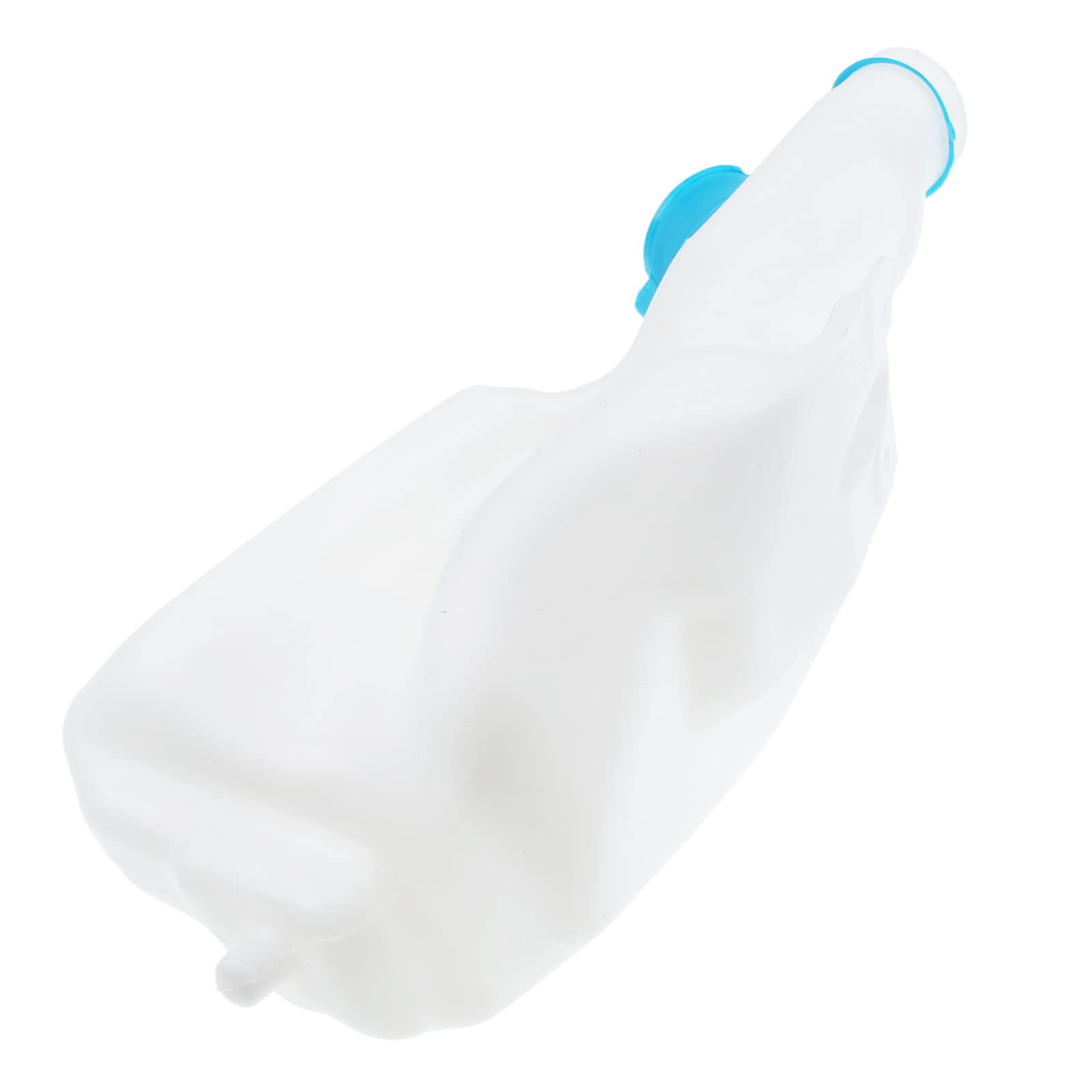 Representative Photo, actual item may vary

Keystone MA1288163 Windshield Washer Fluid Reservoir Assembly with Pump Cap Inlet and Bracket Sedan
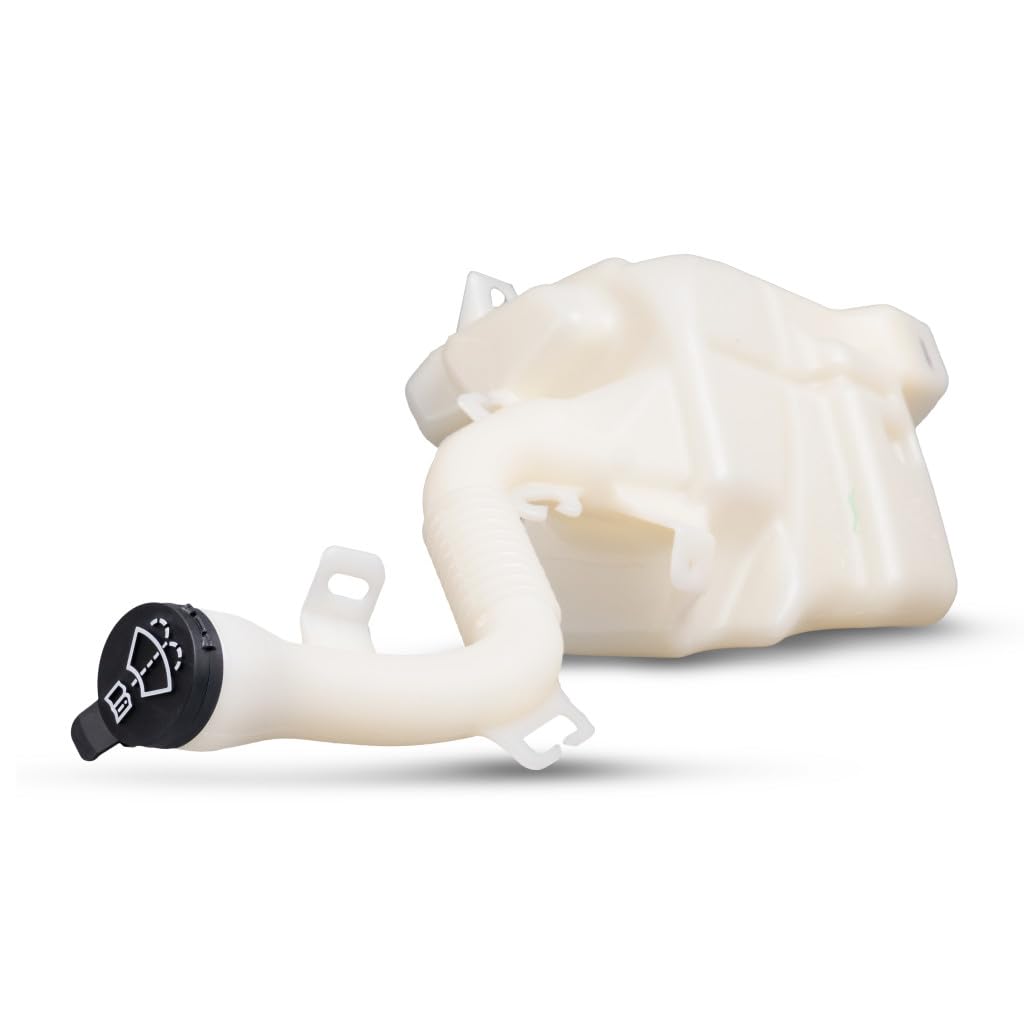 Representative Photo, actual item may vary
Collision Replacement Parts TO1288249 Windshield Washer Reservoir for Toyota Highlander


Sherman FOMUST21AA-600WU Windshield Washer Reservoir Cap and Pump Assembly
 Representative Photo, actual item may vary
Sherman FOMUST15E-600WU Windshield Washer Reservoir Tank Assembly with Cap and Pump
 Representative Photo, actual item may vary
Sherman HYTUCS21-600W-0 Windshield Washer Reservoir with Inlet and Cap Assembly
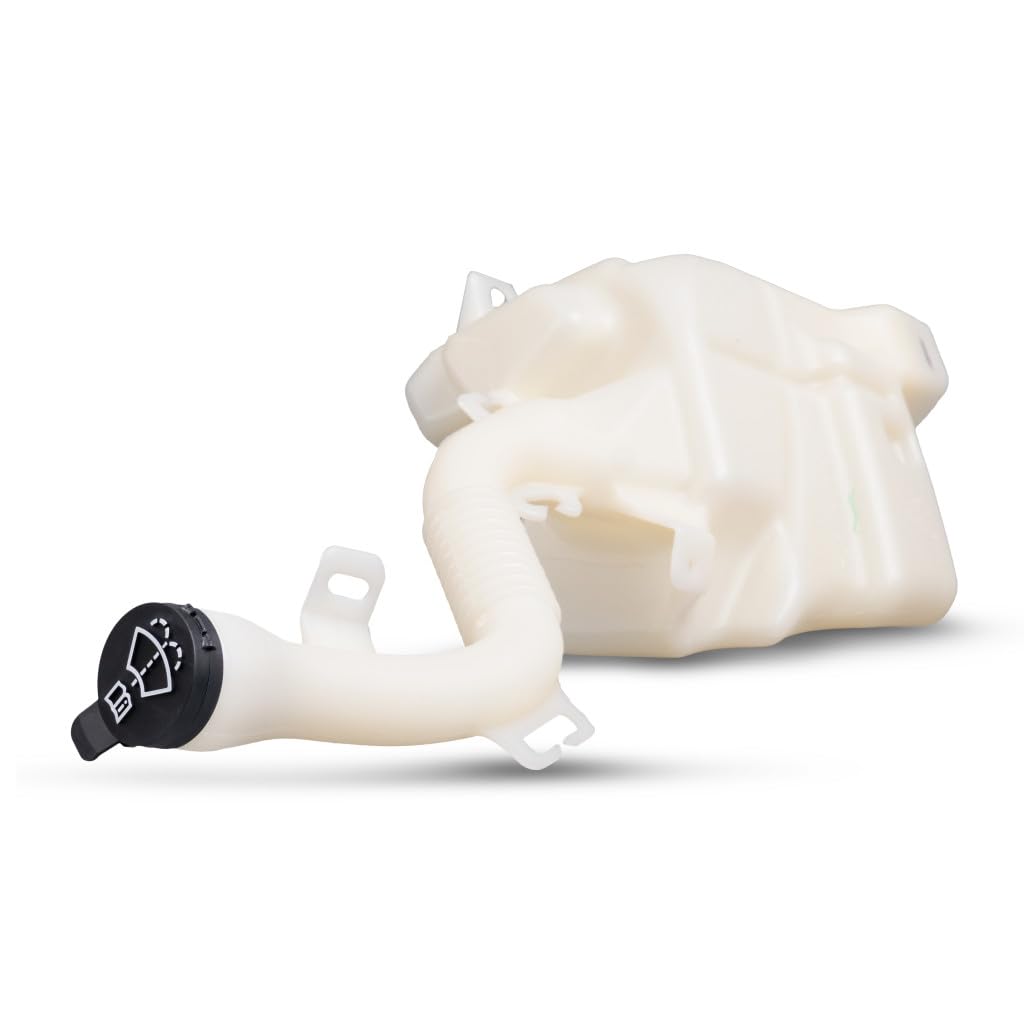 Representative Photo, actual item may vary

Platinum Pro TO1288129 Windshield Washer Reservoir Tank with Pump for Hatchback
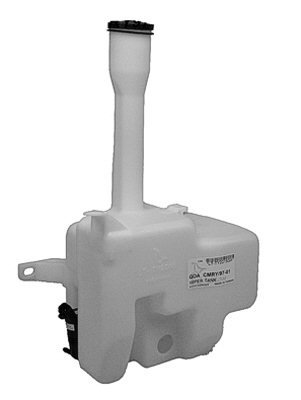 Representative Photo, actual item may vary
 Representative Photo, actual item may vary

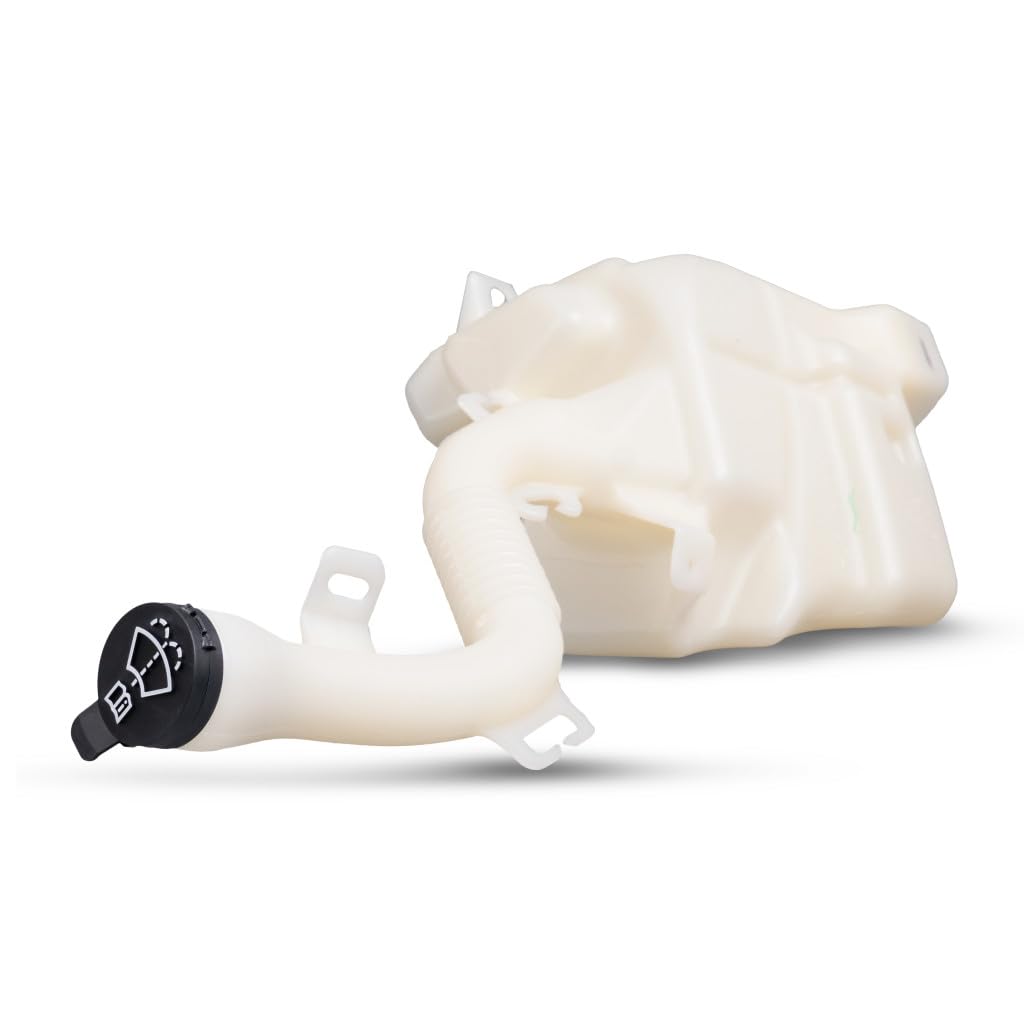 Representative Photo, actual item may vary

Genuine BMW Mini 61 66 7 403 904 Windshield Washer Fluid Reservoir with Level Sensor

 Representative Photo, actual item may vary
 Representative Photo, actual item may vary

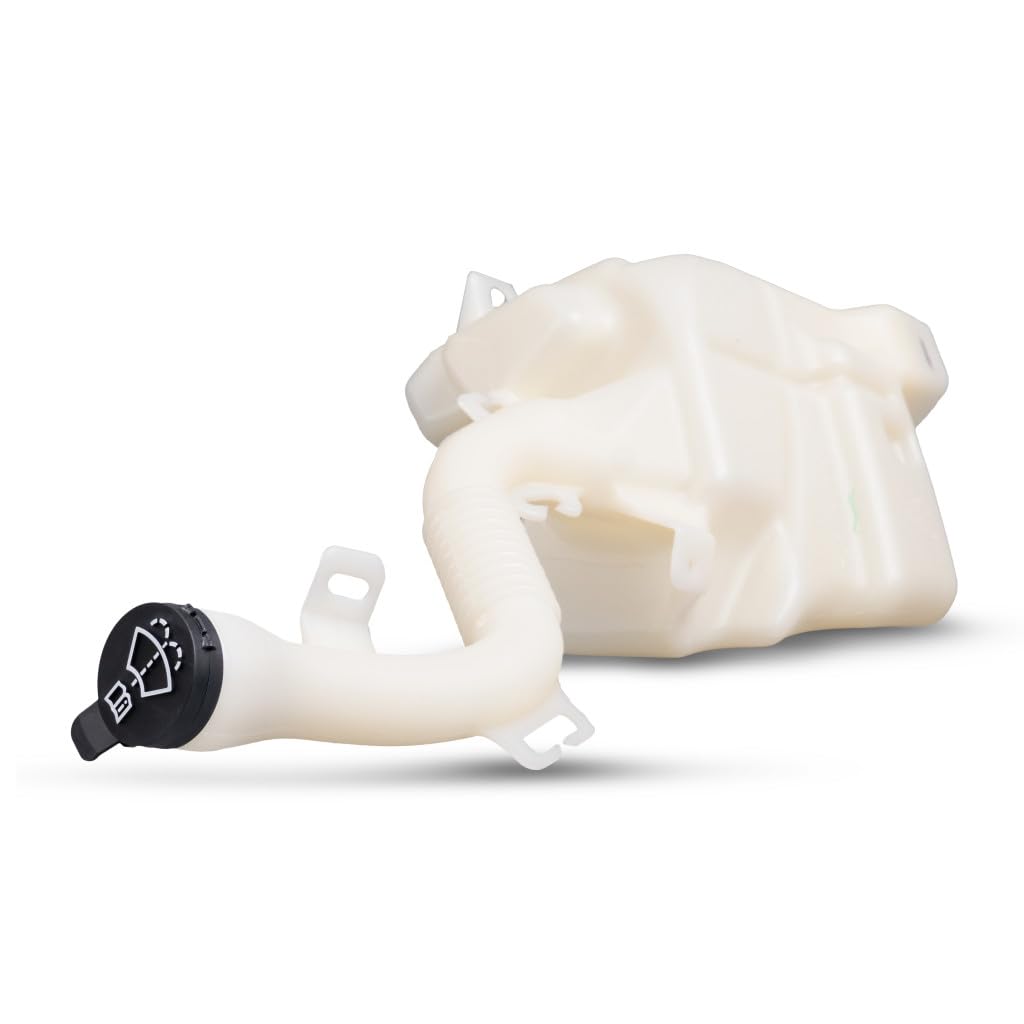 Representative Photo, actual item may vary

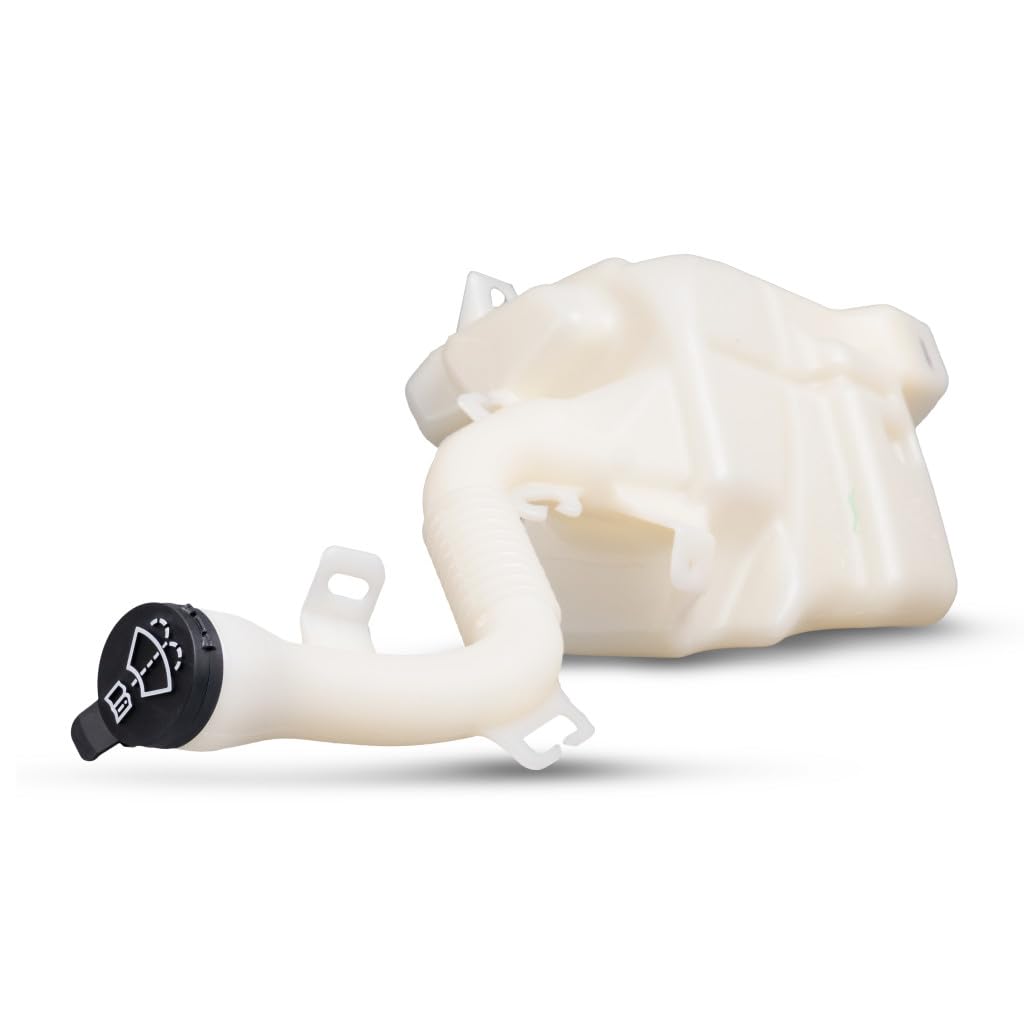 Representative Photo, actual item may vary
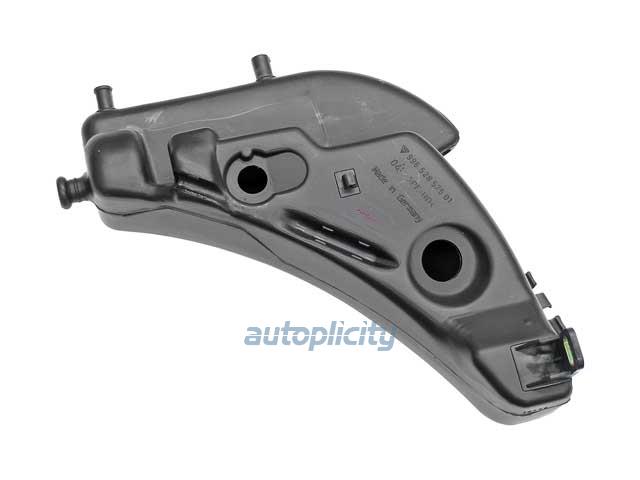 Representative Photo, actual item may vary
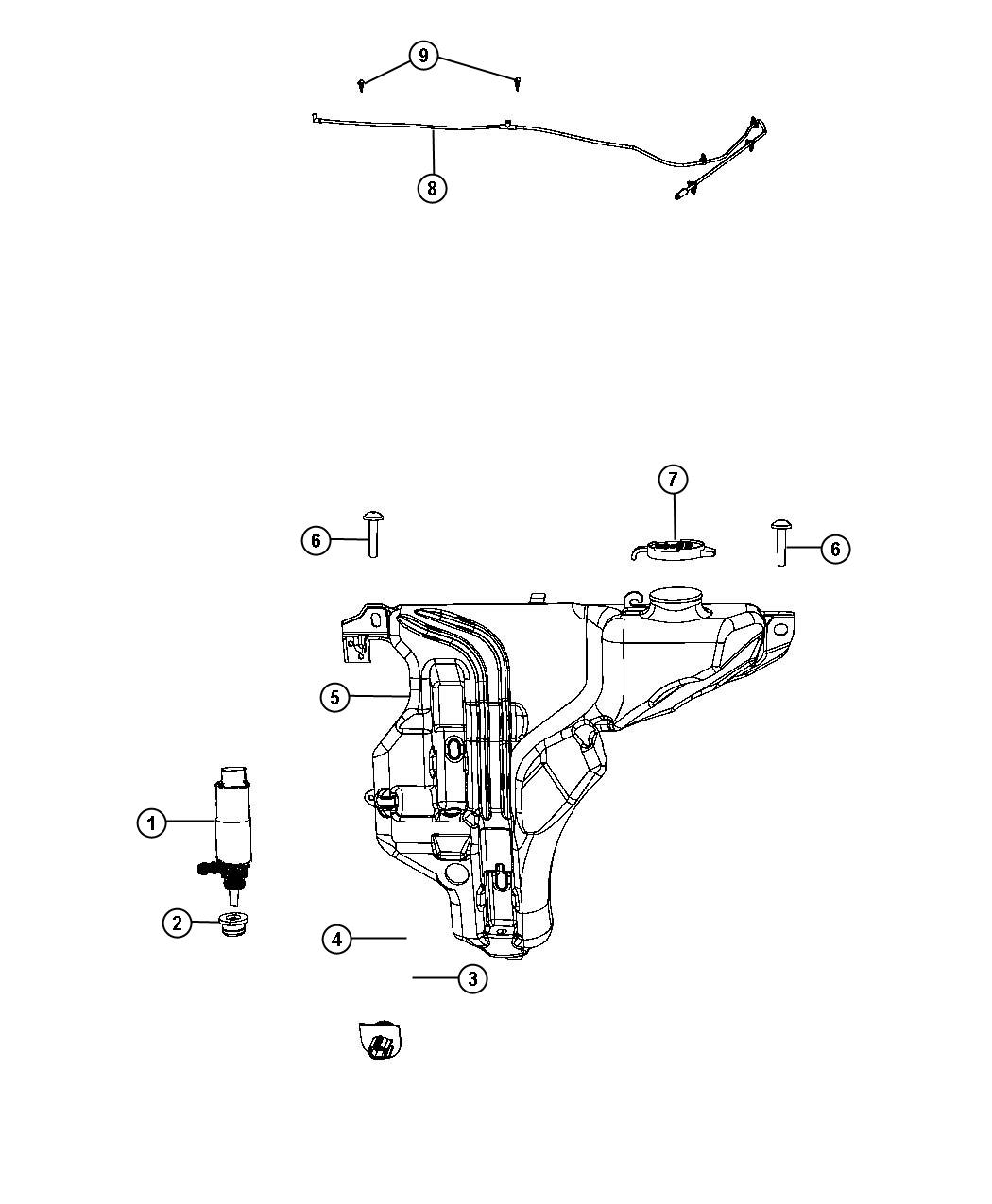 Representative Photo, actual item may vary
 Representative Photo, actual item may vary

 Representative Photo, actual item may vary

 Representative Photo, actual item may vary

 Representative Photo, actual item may vary
What Is a Washer Fluid Reservoir?
The washer fluid reservoir — also called a windshield washer tank — is the plastic container mounted under the hood that stores the cleaning solution used by your windshield wiper system. When you trigger the washers, a pump draws fluid from this tank and sends it through hoses to the spray nozzles on your hood or cowl, clearing away road grime, bugs, and debris so your wipers can do their job effectively. On many modern vehicles, a rear washer system shares the same tank through a second pump, and some models even route fluid to headlamp washers from the same reservoir.
Why Reservoir Replacement Matters
Over time, the reservoir can develop cracks or leaks due to constant exposure to underhood heat, engine vibration, and freeze-thaw cycles. Using a non-freeze-resistant washer fluid in winter is a particularly common culprit — expanding ice can rupture the tank or its seals. A damaged reservoir doesn't just run empty faster; a cracked tank can allow fluid to drip onto hot engine components or cause the washer pump to run dry, shortening its life. Replacing a failed reservoir promptly restores full visibility in poor driving conditions and protects the pump from premature wear.
What to Look for When Shopping
The most important factor when selecting a replacement washer fluid reservoir is vehicle-specific fitment. Tanks vary significantly in shape, mounting points, fluid capacity, and the number of pump ports they accommodate. Key considerations include:
- Included components: Some reservoirs come as a complete assembly with cap, pump(s), filler neck, and hoses, while others are tank-only. Verify what your vehicle needs.
- Sensor compatibility: Many vehicles use a low-fluid level sensor that plugs into the tank — make sure the replacement has the correct sensor port if your car requires one.
- Material and construction: Quality reservoirs are molded from durable plastic engineered to resist underhood heat and vibration for long-term, leak-free service.
- OE match: A direct-fit replacement that mirrors the original equipment dimensions ensures no modifications are needed for installation.
Top Brands in Washer Fluid Reservoirs
Sherman is one of the most trusted names in automotive replacement body and fluid system components. Based in Washington, Michigan, Sherman operates a massive parts warehouse and offers vehicle coverage stretching from classic models all the way to current production vehicles. Their washer fluid reservoirs are built with careful attention to fit and finish, and the brand backs its replacement parts with a limited lifetime warranty for the original purchaser.
Platinum Pro delivers direct-fit OE replacement washer fluid reservoirs across a wide range of domestic and import nameplates. Platinum Pro reservoirs are made of durable plastic and are engineered to match original equipment form, fit, and function — with many applications available with the pump, sensor, and cap included — and are backed by a 5-year limited warranty.