


Lateral Arm


 Representative Photo, actual item may vary

 Representative Photo, actual item may vary

 Representative Photo, actual item may vary


 Representative Photo, actual item may vary



Crown Automotive 5105272AE Suspension Spring Component for Jeep


Mevotech CMS101090 Supreme Rear Lower Lateral Arm and Ball Joint Assembly

 Representative Photo, actual item may vary
 Representative Photo, actual item may vary
Genuine Mercedes 205 330 58 06 Lateral Arm Front Lower Rearward Spring Link


 Representative Photo, actual item may vary
 Representative Photo, actual item may vary


J.C. Whitney SET-JF287801-2 Rear Lower Frontward Lateral Link Set - Left and Right

J.C. Whitney SET-JRK28150018-2 Rear Upper Forward Lateral Link Set (OEM 552502S000)
 Representative Photo, actual item may vary

 Representative Photo, actual item may vary
 Representative Photo, actual item may vary
TrueDrive SET-REPF287801-2 Rear Lower Frontward Lateral Link Set - Driver & Passenger Side
 Representative Photo, actual item may vary
TrueDrive SET-RF28780003 Rear Lateral Link with Ball Joint OEM Replacement 8A5Z5A972B AA5Z5A972A


J.C. Whitney JRF28780004 Rear Lower Frontward Lateral Link OEM Replacement CV6Z5500L





 Representative Photo, actual item may vary
 Representative Photo, actual item may vary

 Representative Photo, actual item may vary
 Representative Photo, actual item may vary
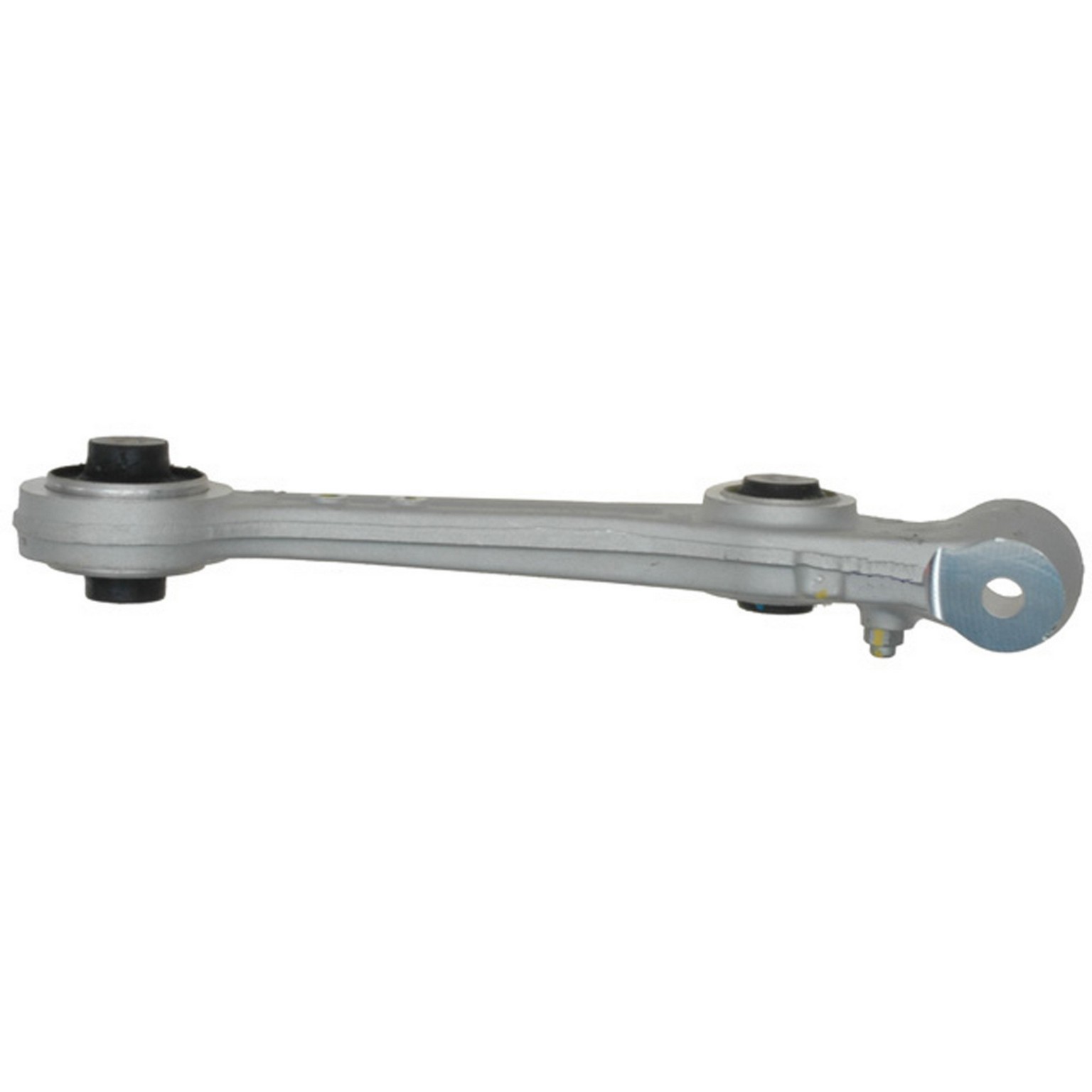 Representative Photo, actual item may vary
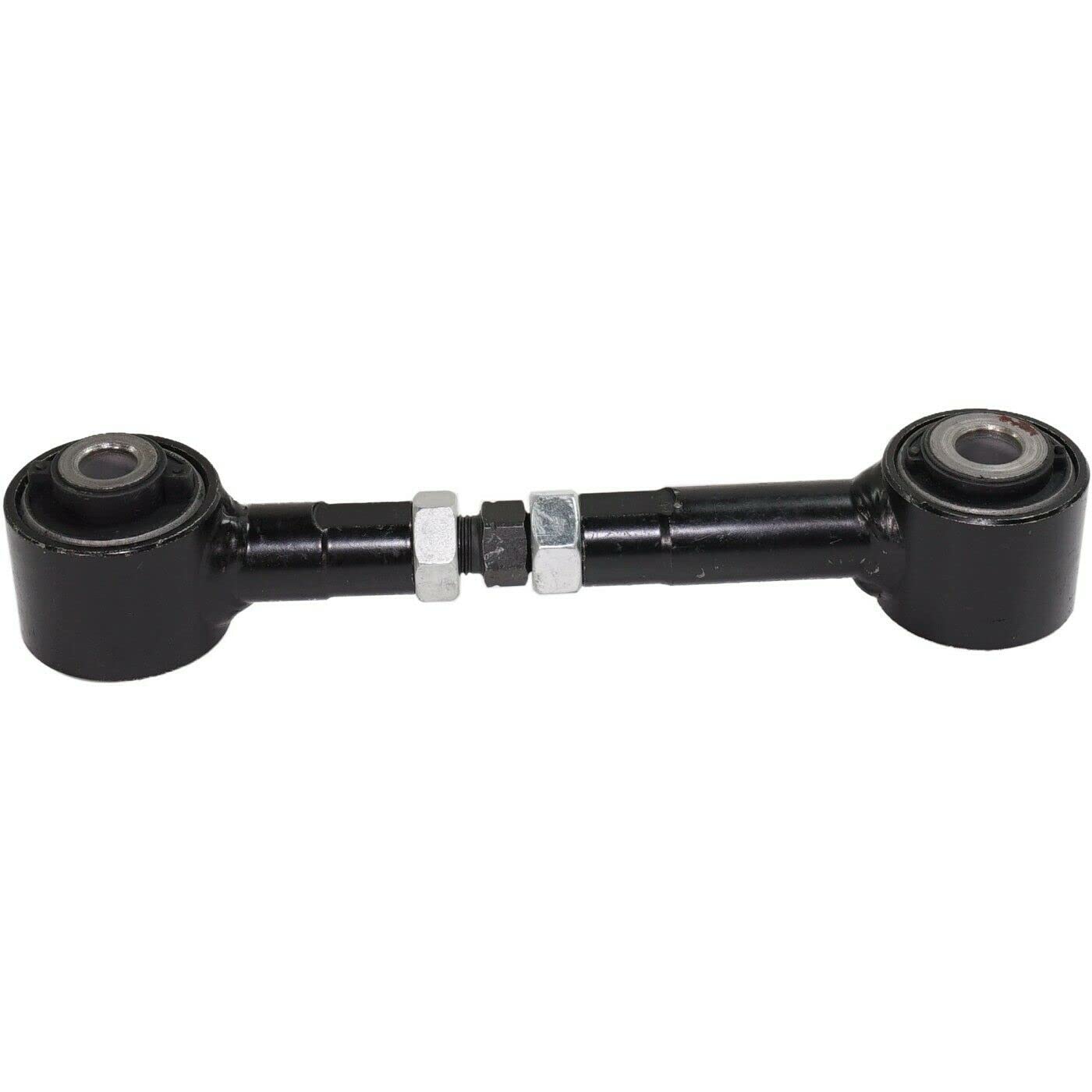 Representative Photo, actual item may vary
J.C. Whitney RF28780006 Rear Lower Lateral Link Left Forward (OEM Ref. 8G1Z-5500-B)

J.C. Whitney RF28780005 Rear Lower Lateral Link - OEM Replacement (Ref. 8G1Z5500AA)
 Representative Photo, actual item may vary


TrueDrive RH28780001 Front Lower Rearward Lateral Link with Bushings - Right Side
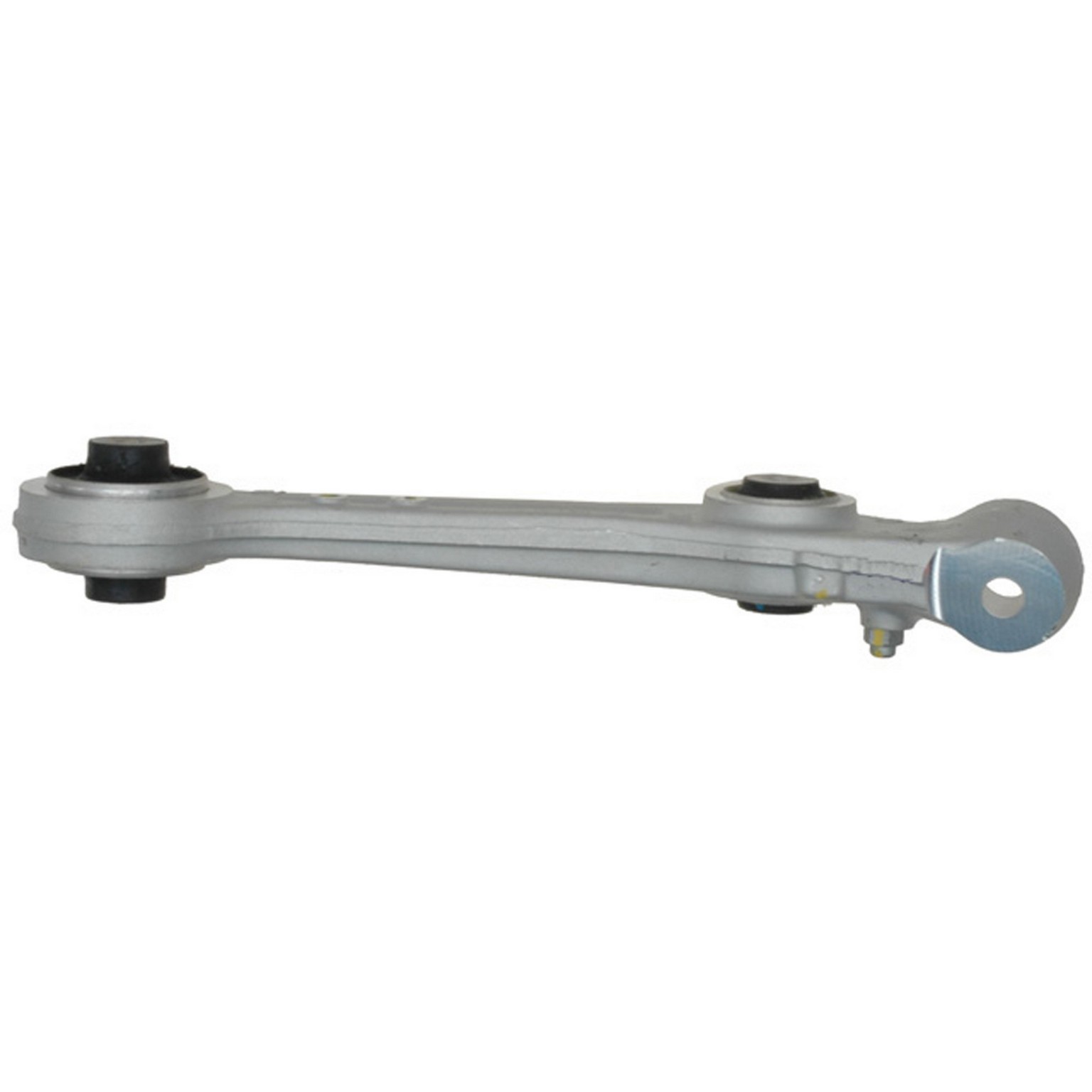 Representative Photo, actual item may vary
TrueDrive SET-RS28780005 Rear Lateral Link Set OEM Replacement RH & LH Frontward
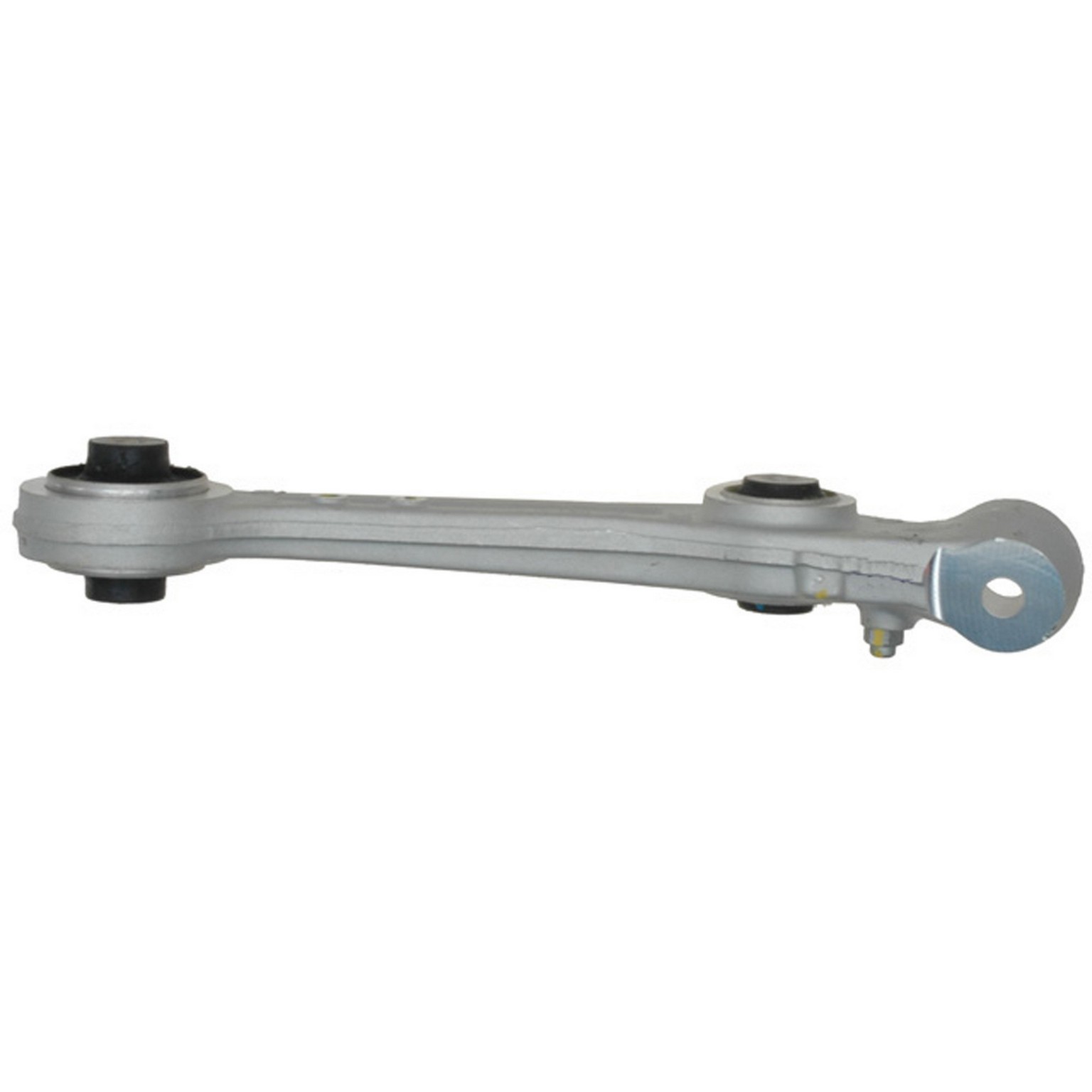 Representative Photo, actual item may vary
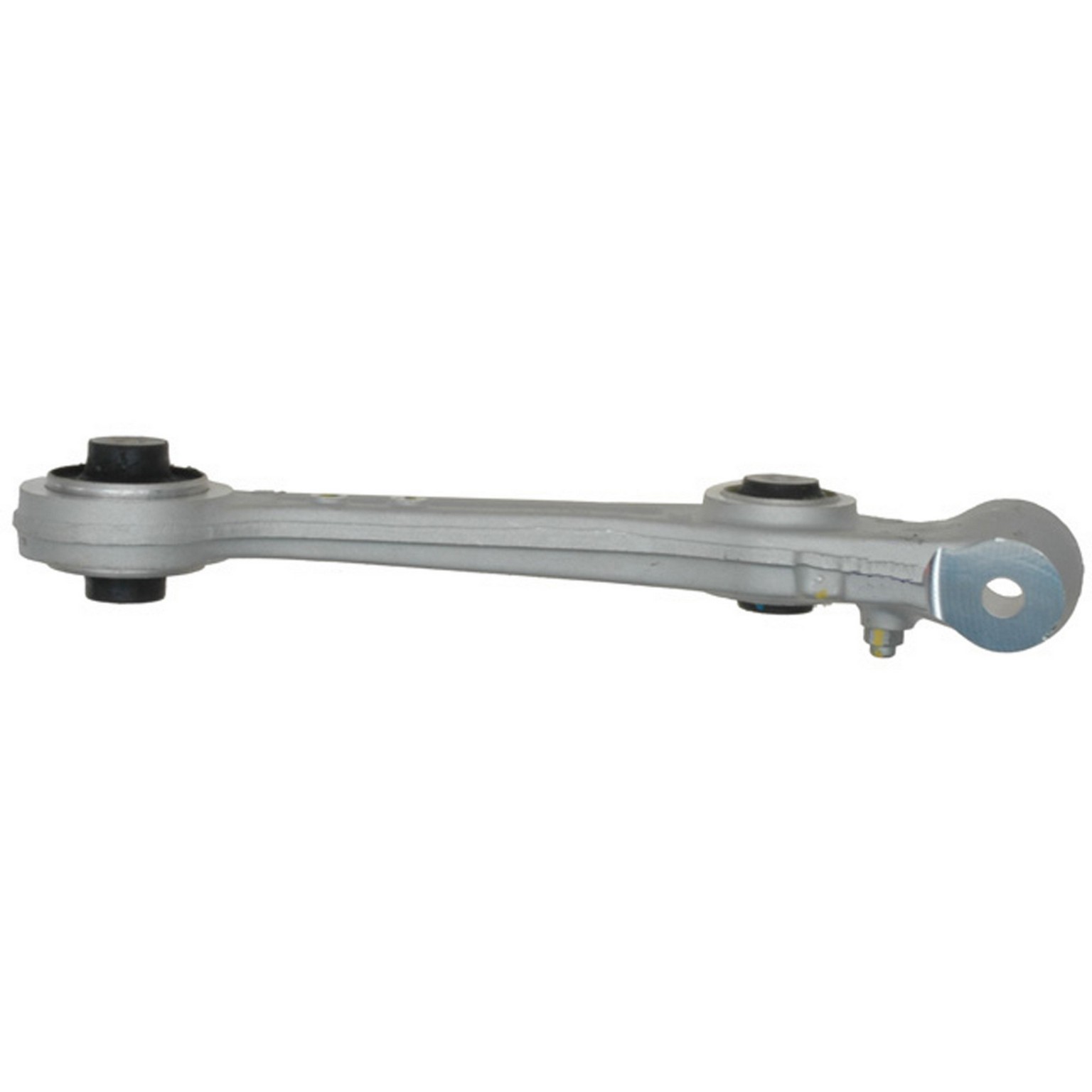 Representative Photo, actual item may vary

TrueDrive RS28150038 Rear Left Rearward Lateral Link OEM Replacement 20250FE050
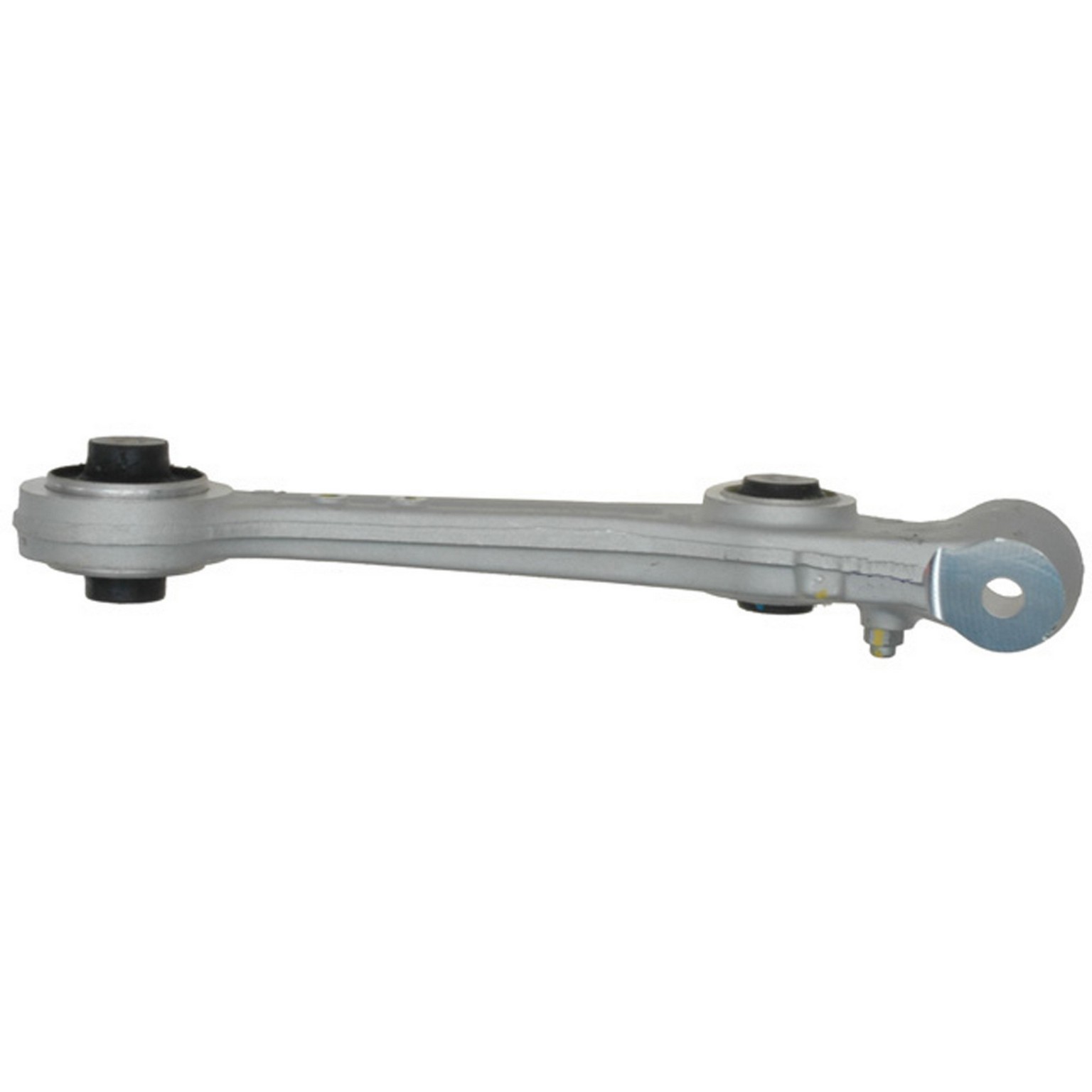 Representative Photo, actual item may vary


J.C. Whitney SET-JRF28780004-2 Rear Lower Lateral Link Set OEM Replacement CV6Z5500L
What Is a Lateral Arm?
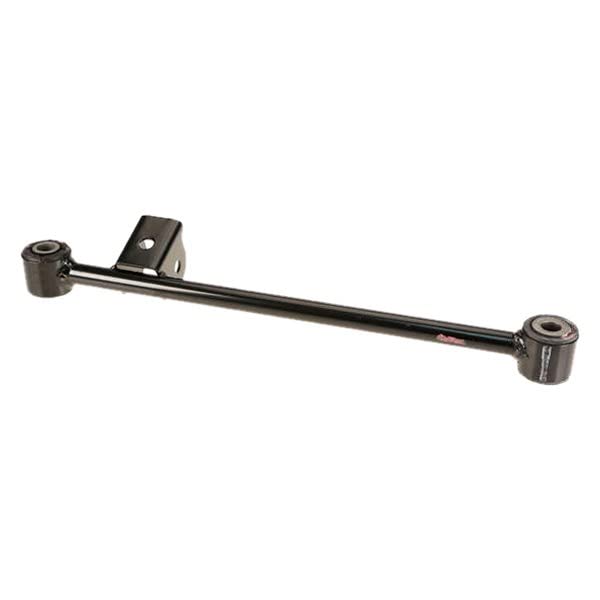
The lateral arm — also called a lateral link — is one of the most structurally important components in your vehicle's suspension system. Its primary job is to control side-to-side wheel movement, connecting the wheel hub or steering knuckle to the vehicle's frame and keeping the wheels properly tracked while you accelerate, brake, and corner. Without a functioning lateral arm, a vehicle's wheels would be free to shift laterally under load, making handling unpredictable and potentially dangerous.
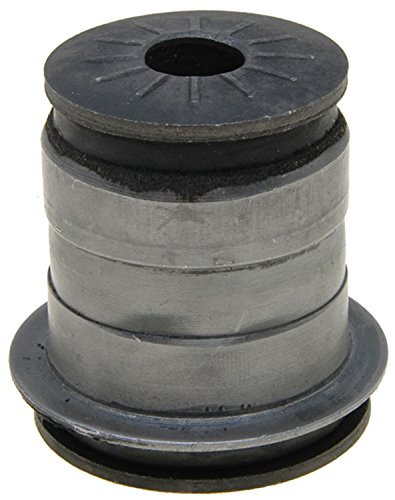
Lateral arms work in tandem with other suspension links to maintain the vehicle's track width and keep the wheels perpendicular to the road surface during all driving conditions. They transmit lateral forces from the wheel to the chassis while allowing controlled vertical suspension travel through bushings or pivot joints at each mounting point. Most vehicles use rubber bushings at these pivot points to isolate cabin occupants from road vibration, while performance applications may use hardened rubber or spherical bushings for more precise wheel control.
Where Are Lateral Arms Found?
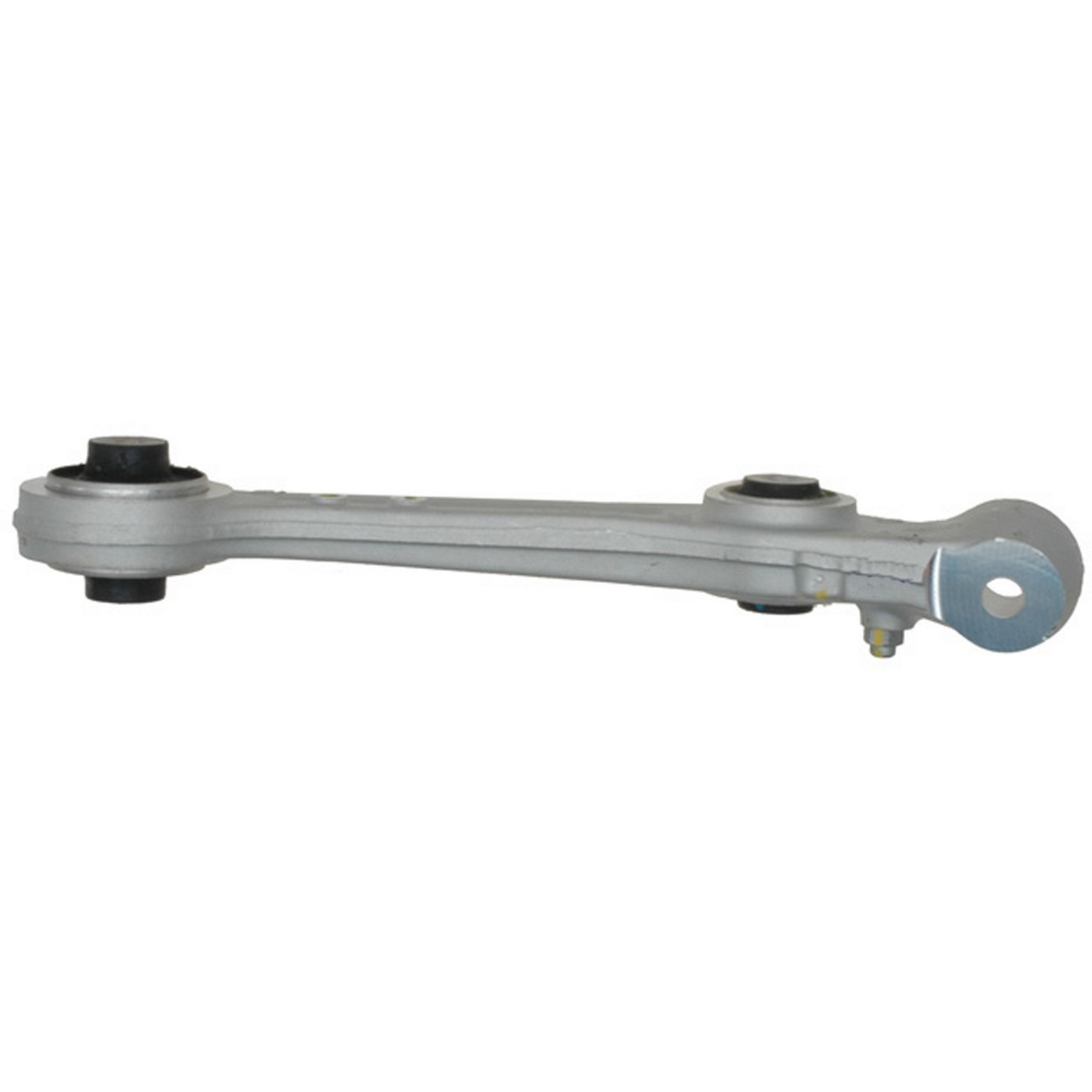
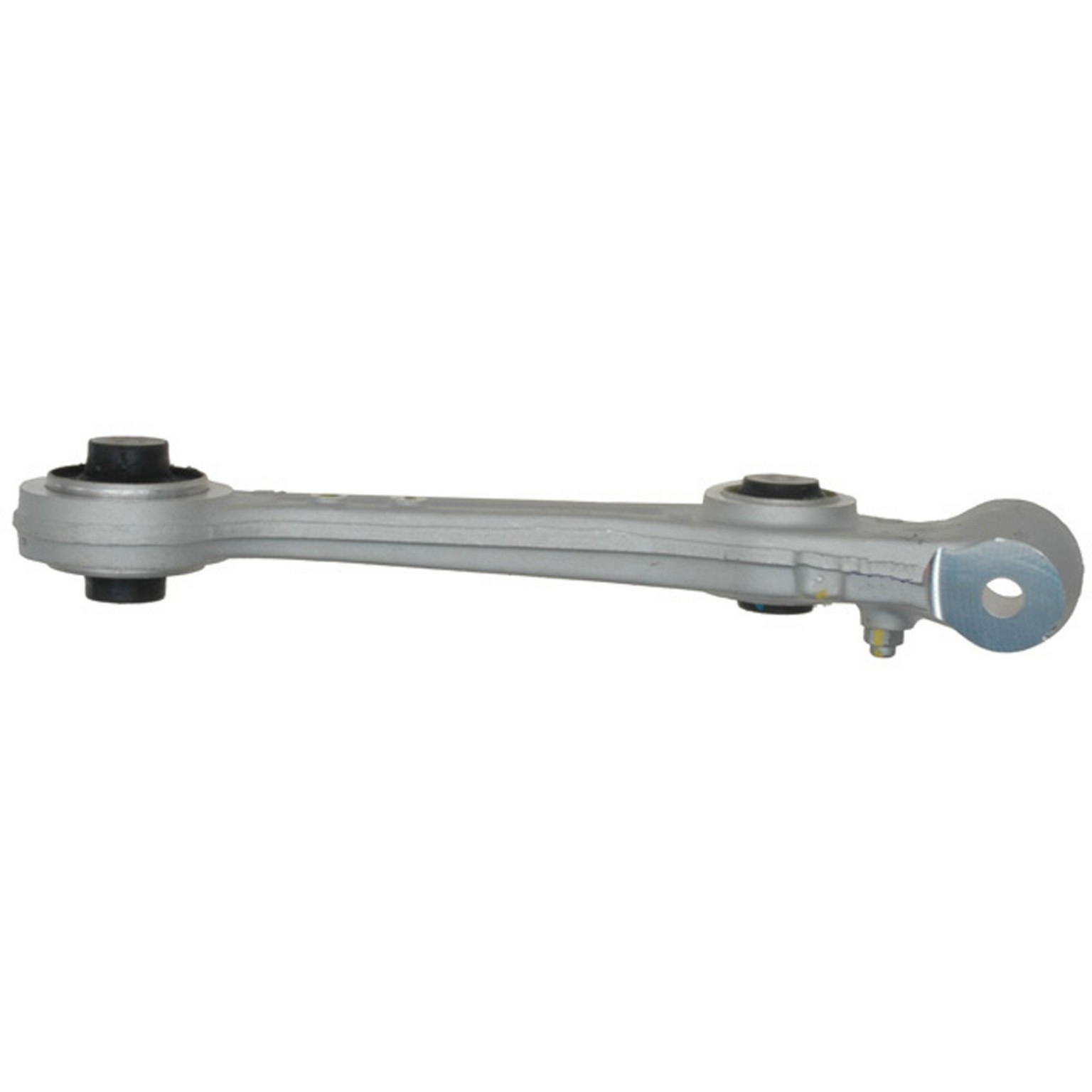
Lateral arms are most commonly found in multi-link rear suspension systems, which are standard equipment on a wide range of modern passenger cars, crossovers, and performance vehicles. Some vehicles use both upper and lower lateral arms per corner, while others rely on a single lateral link working alongside trailing arms. They can also appear in front suspension applications, though rear-axle use is more prevalent. The material — stamped steel or forged aluminum — and bushing type vary by vehicle platform and intended use.
Signs of a Failing Lateral Arm
Because lateral arms handle constant stress from road surfaces, potholes, and cornering forces, they do wear over time. Bushings and ball joints on lateral arms are designed to wear over time; after 80,000 to 150,000 miles, depending on driving conditions, these components typically need replacement as their rubber and plastic components degrade and lose elasticity. Watch for these warning signs:
- Clunking or knocking sounds from the rear suspension, especially over bumps or during cornering
- Wandering or vague steering feel and reduced straight-line stability
- Uneven or feathered tire wear indicating a wheel alignment problem
- Visible cracks, bends, or deteriorated bushing material on the arm itself
A compromised lateral arm reduces your vehicle's ability to track straight, increases stopping distance under braking, and can cause sudden loss of control during emergency maneuvers or hard cornering. If you suspect a failing lateral arm, have the vehicle inspected promptly.
Choosing the Right Lateral Arm
When shopping for a replacement lateral arm, it's important to match the part precisely to your vehicle's year, make, model, and trim level, since suspension geometry specifications vary widely. OE-replacement arms restore factory handling characteristics, while performance-oriented adjustable arms allow fine-tuning of alignment angles — particularly useful on lowered vehicles where factory geometry has been altered. Upgrading bushings to a firmer compound can improve steering precision, though it may increase NVH (noise, vibration, harshness) slightly.
Top Lateral Arm Brands
Suspensia is a leading name in OE-replacement suspension components, manufacturing parts that are engineered to meet or exceed original equipment specifications. Backed by IATF 16949-certified manufacturing, Suspensia offers broad vehicle coverage across European, Asian, and domestic applications, making them a popular choice for straightforward factory-spec lateral arm replacement.
For those who prefer the reassurance of a proven OEM supplier, ACDelco delivers lateral arms built to the same standards used in original vehicle assembly, offering a trusted fit for GM-platform vehicles and beyond.
Enthusiasts and performance-oriented drivers will find a compelling option in Truhart, whose adjustable lateral arms are designed specifically for vehicles that have been lowered or modified. Truhart's lateral arms feature hardened rubber bushings that allow for less deflection and provide a more direct road feel than OE bushings, and their adjustable designs allow alignment correction outside of the factory range — ideal for track-day prep or spirited street driving.