


Engine Coolant Reservoir

Keystone AC3014109 Coolant Reservoir Overflow Tank OEM Replacement 19101RBB000


Keystone FO1288168 Coolant Reservoir & Washer Combination with Pump and 2 Caps

Keystone FO1288171 Coolant & Washer Fluid Reservoir Assembly with Cap and Pump


 Representative Photo, actual item may vary

 Representative Photo, actual item may vary


 Representative Photo, actual item may vary


Keystone CH3014122 Engine Coolant Reservoir with Cap and Hose OEM Replacement 5058156AI

Keystone HY3014113 Coolant Reservoir Tank with Cap OEM Replacement 254302W000

Keystone HO3014131 Coolant Reservoir Tank with Cap OEM Replacement 19101-R1A-A00

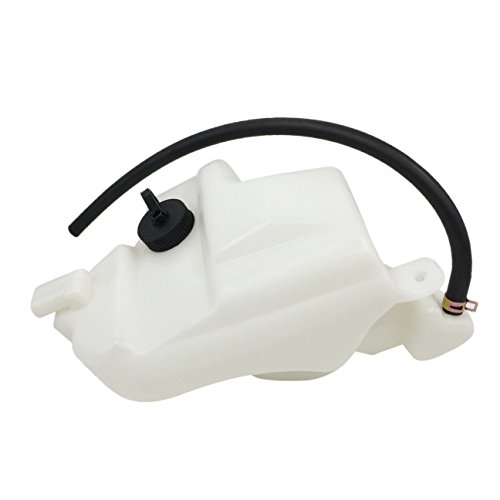 Representative Photo, actual item may vary
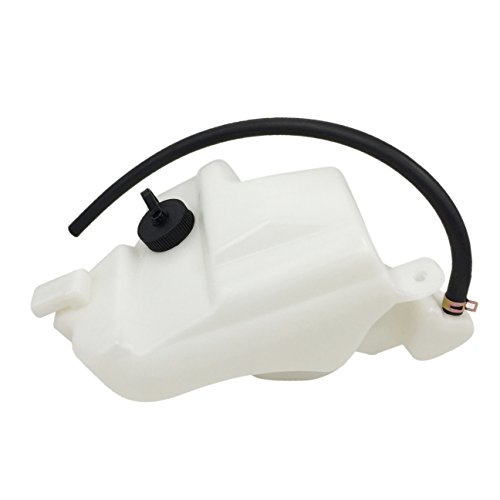 Representative Photo, actual item may vary
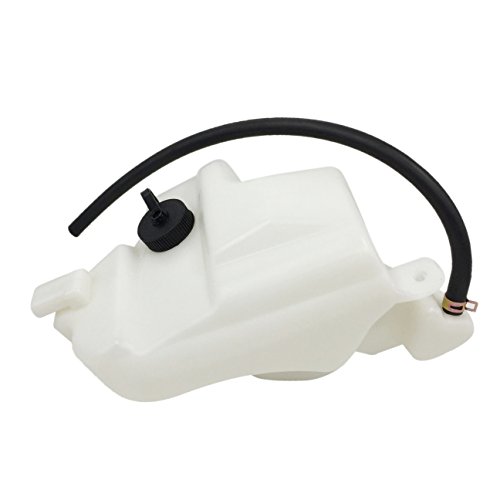 Representative Photo, actual item may vary
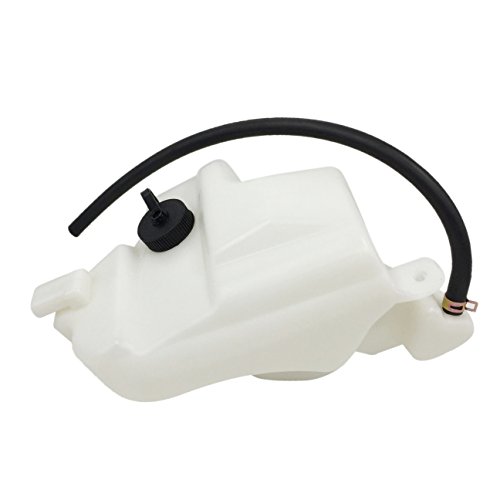 Representative Photo, actual item may vary
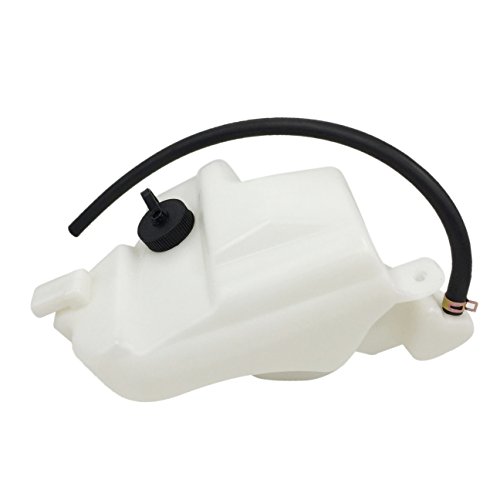 Representative Photo, actual item may vary





What Is an Engine Coolant Reservoir?
The engine coolant reservoir — also called a coolant overflow tank, coolant recovery tank, or expansion tank — is one of the most understated yet essential components in your vehicle's cooling system. Mounted in the engine bay and connected to the radiator by one or more hoses, it acts as a buffer that keeps your cooling system balanced, pressurized, and protected against the constant thermal changes that occur every time you drive.
How It Works: The Expansion and Recovery Cycle
As your engine reaches operating temperature, the liquid coolant circulating through the engine block heats up and expands. Without a dedicated reservoir, this expanding fluid would have nowhere to go — building dangerous pressure that could burst a hose or force coolant onto the ground. Instead, once system pressure exceeds the radiator cap's threshold (typically 12–15 PSI on most vehicles), excess coolant flows out through the overflow tube and into the reservoir for safe storage.
When you shut the engine off and it begins to cool, the coolant contracts and creates a vacuum inside the radiator. A return valve in the radiator cap opens, drawing the stored fluid back from the reservoir and into the cooling circuit. This continuous cycle keeps the system self-filling, maintains proper coolant levels, and prevents air pockets from forming — air in the cooling system can lead to dangerous localized hot spots in the engine.
Overflow Tank vs. Expansion Tank: Know the Difference
While the terms are often used interchangeably, there are two functionally distinct types of coolant reservoirs:
- Overflow / Recovery Tank: A non-pressurized bottle that simply catches coolant expelled by the radiator cap. The radiator itself holds a pressure cap, and the overflow tank is a passive catch-and-return vessel. Common on older domestic vehicles and many trucks.
- Pressurized Expansion Tank: Found on many modern and European vehicles, this tank is an active, pressurized part of the cooling loop. It doesn't just catch overflow — it actively manages total system pressure and helps purge air bubbles from the circuit, making it a more integrated and critical component.
Knowing which type your vehicle uses is the first and most important step when shopping for a replacement.
Signs Your Coolant Reservoir Needs Replacement
Most reservoirs are made from translucent plastic, which allows you to visually check coolant levels against the MIN and MAX markings without opening the radiator cap. Over time, however, the constant heating and cooling cycles make plastic brittle and prone to hairline cracks. Watch for these warning signs:
- Coolant level consistently dropping without a visible puddle beneath the car
- A sweet, maple syrup-like smell from the engine bay
- Engine temperature gauge running higher than normal
- Visible cracks, discoloration, or staining on the reservoir itself
- Coolant residue or dried deposits around the reservoir cap or hose connections
What to Consider When Shopping for a Coolant Reservoir
Choosing the right coolant reservoir comes down to a few key factors:
- Vehicle-Specific vs. Universal Fit: OEM-style, application-specific reservoirs bolt directly into your factory mounting points and connect to existing hoses without modification. Universal tanks offer flexibility for custom builds, engine swaps, or modified vehicles.
- Material — Plastic vs. Aluminum: Stock plastic reservoirs are lightweight and affordable, but they degrade over time from heat exposure. Aluminum aftermarket tanks offer superior durability, better heat dissipation, and a clean look for performance builds or engine bay restorations.
- Pressurized vs. Non-Pressurized: Always match the reservoir type to your vehicle's cooling system design. Installing a non-pressurized overflow tank in a system that requires a pressurized expansion tank can compromise cooling efficiency and safety.
- Capacity: Ensure the replacement reservoir has adequate capacity for your engine's cooling system volume, particularly important on larger displacement or turbocharged engines that generate more heat.
Whether you're doing a straightforward OEM swap to stop a leak or upgrading to an aluminum tank for a performance build, selecting the right coolant reservoir is a simple repair that pays dividends in engine longevity and peace of mind.