


Drive Shaft Center Support Bearing















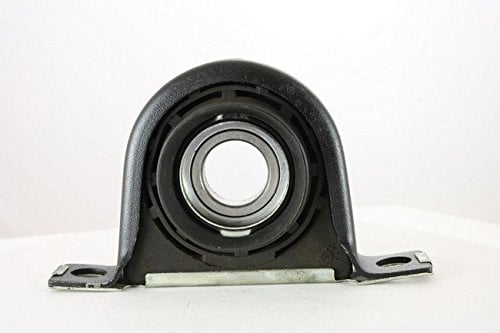 Representative Photo, actual item may vary


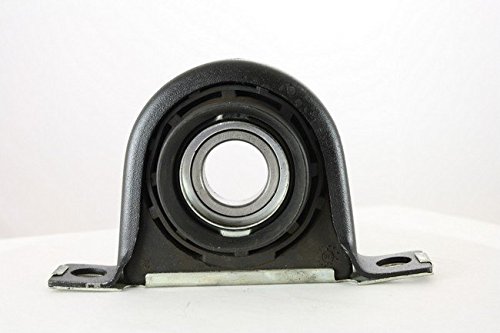 Representative Photo, actual item may vary
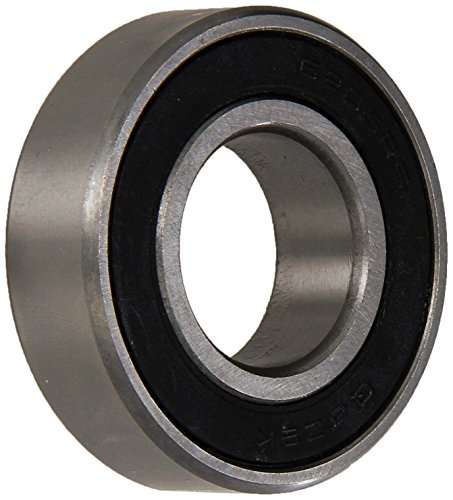 Representative Photo, actual item may vary

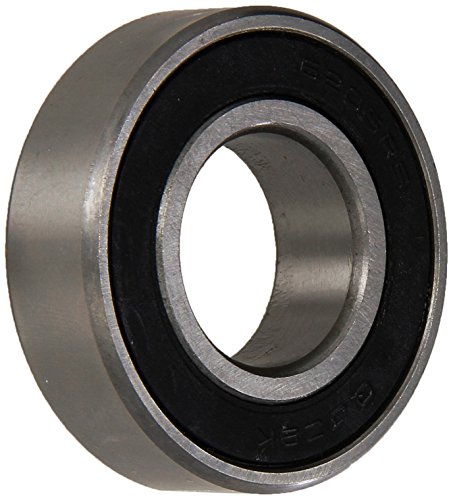 Representative Photo, actual item may vary


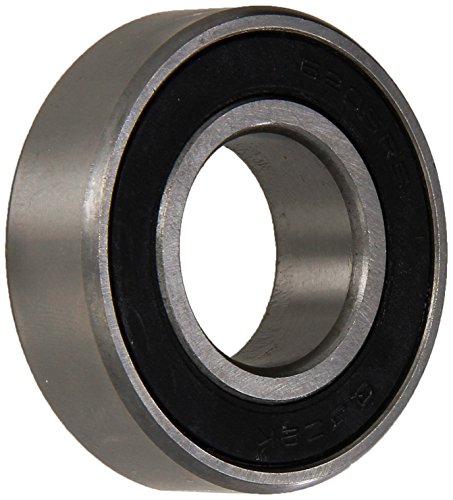 Representative Photo, actual item may vary

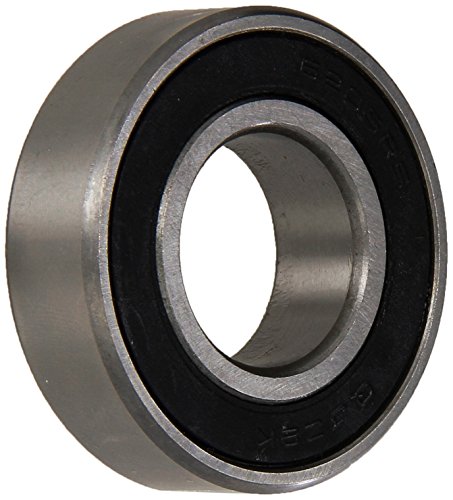 Representative Photo, actual item may vary
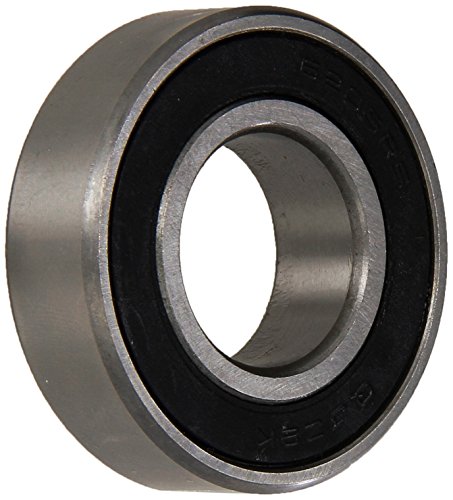 Representative Photo, actual item may vary
 Representative Photo, actual item may vary

 Representative Photo, actual item may vary


 Representative Photo, actual item may vary



 Representative Photo, actual item may vary


What Is a Drive Shaft Center Support Bearing?
Drive shaft center support bearings — also called carrier bearings or hanger bearings — are essential driveline components found on vehicles equipped with a two-piece drive shaft design. These bearings are mounted between the two drive shaft sections, bolting to the vehicle's frame crossmember to hold the shaft in proper alignment as it rotates. Without a functioning center support bearing, the drive shaft loses its stable midpoint anchor, leading to serious driveline problems.
What Does a Center Support Bearing Do?
The center support bearing serves three critical functions in the drivetrain. First, it provides a stable mounting point for the drive shaft, maintaining alignment between the transmission and the rear differential. Second, its rubber cushion absorbs vibrations and reduces the noise transmitted into the vehicle's cabin. Third, it helps manage driveshaft harmonics — engineers intentionally split the drive shaft into two sections specifically to change vibration frequencies, and the center support bearing is what makes that two-piece design possible.
The assembly itself is elegantly simple: a ball bearing encased in a rubber mount, surrounded by a heavy-gauge steel bracket that bolts to the frame. The rubber isolates road shock and driveline vibration, while the sealed bearing handles the rotational forces of the spinning shaft.
Signs of a Failing Center Support Bearing
A worn or damaged center support bearing typically makes itself known through several recognizable symptoms:
- Vibrations felt through the floorboard or seat, often increasing with vehicle speed
- Unusual noises — a whine, growl, or clunking sound originating from the center of the vehicle
- Driveline instability or excessive play when the shaft is moved by hand
- Premature wear on universal joints caused by driveshaft misalignment
Common causes of failure include rubber degradation from heat and road exposure, moisture and road salt intrusion, excessive driveshaft angle, and simply high mileage. Most manufacturers recommend inspecting the carrier bearing every 50,000 to 75,000 miles, and it's good practice to inspect it any time universal joints are being serviced.
Choosing the Right Center Support Bearing
Because drive shaft dimensions, bearing inner diameter, bracket mounting width, and centerline-to-mounting-face measurements vary significantly from one vehicle application to the next, it is critical to select a bearing matched specifically to your year, make, and model. Always verify the replacement part's inner diameter and mounting dimensions against your vehicle's service specifications. Replacement options range from standard OEM-style rubber-cushioned bearings ideal for daily drivers to heavy-duty variants built for trucks used in towing or off-road applications.
Top Brands in Drive Shaft Center Support Bearings
Anchor is one of the most trusted names in center support bearings, offering broad vehicle coverage across domestic and import applications. Anchor's bearings are engineered to OE standards using high-grade rubber for maximum vibration dampening, with housings constructed from heavy-gauge steel to extend service life.
Dana Spicer brings decades of driveline expertise to its center support bearing lineup, covering everything from light-duty trucks to heavy-duty commercial vehicles. Spicer bearings are designed to maintain proper driveline angle, reduce contamination, and maximize driveshaft life — making them a go-to choice for serious truck owners and fleet operators alike.