


NGK Spark Plugs Air / Fuel Ratio Sensor

 Representative Photo, actual item may vary
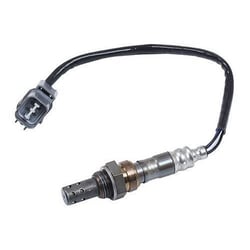
NGK 24355 Air Fuel Ratio Sensor 5-Wire Heated Wideband AFR O2 Sensor


NGK 24669 Air/Fuel Ratio Sensor 4-Wire Wideband Oxygen Sensor, Heated
NGK NTK 24360 Wideband Air/Fuel Ratio Sensor 5-Wire Heated O2 Sensor

NGK 24665 Air/Fuel Ratio Sensor, 4-Wire Heated Oxygen Sensor, 18mm Thread

NGK 24358 NTK Wideband Air/Fuel Ratio Sensor, 5-Wire, M18 x 1.5


NGK 25679 NTK OE Identical Wideband Air/Fuel Ratio Sensor, 4-Wire

NGK NTK 24362 OE Identical Wideband Air/Fuel Ratio Sensor 5-Wire 18mm

NGK 24696 NTK Air/Fuel Ratio Sensor Oxygen Sensor 4-Wire M18x1.5

NGK 25680 OE Identical Air/Fuel Ratio Sensor, 4-Wire, 18mm Thread

NGK 24670 NTK Air/Fuel Ratio Sensor 4-Wire Oxygen Sensor OE Type

NGK 24666 Air/Fuel Ratio Sensor - OE Type 4-Wire Oxygen Sensor, 18mm
 Representative Photo, actual item may vary
NGK 24325 NTK Wideband Air/Fuel Ratio Oxygen Sensor, 5-Wire, M18x1.5
NGK NTK 24833 Air/Fuel Ratio Sensor Direct Fit 4-Wire A/F O2 Sensor

NGK NTK 24385 Air/Fuel Ratio Sensor 5-Wire Wideband Heated O2 Sensor

NGK 24662 NTK Air/Fuel Ratio Sensor Oxygen Sensor 4-Wire Heated 18mm
 Representative Photo, actual item may vary

NGK 25662 NTK Oxygen Sensor Air/Fuel Ratio O2 Sensor OE Direct Fit

NGK 24664 Air/Fuel Ratio Sensor 4-Wire Heated Oxygen Sensor 18mm
 Representative Photo, actual item may vary
NGK 24312 NTK OE Type Wideband Oxygen Sensor 5-Wire Air-Fuel Ratio AFR Sensor
NGK 24803 NTK Air/Fuel Ratio Sensor 4-Wire Heated Oxygen Sensor
 Representative Photo, actual item may vary
NGK 24661 Air/Fuel Ratio Sensor, 4-Wire Wideband O2 Sensor, 18mm Thread

 Representative Photo, actual item may vary

 Representative Photo, actual item may vary


NGK NTK 24667 Air/Fuel Ratio Sensor O2 Oxygen Sensor 18mm 4-Wire

 Representative Photo, actual item may vary
 Representative Photo, actual item may vary
NGK 24322 Wideband Air/Fuel Ratio Oxygen Sensor, 5-Wire, M18x1.5
 Representative Photo, actual item may vary
NGK 24390 NTK OE Type Wideband Oxygen Sensor Air/Fuel Ratio AFR Sensor


 Representative Photo, actual item may vary
 Representative Photo, actual item may vary
 Representative Photo, actual item may vary
 Representative Photo, actual item may vary

 Representative Photo, actual item may vary
NGK 24753 NTK OE Identical Air/Fuel Ratio Sensor, 18mm Thread Heated A/F Oxygen Sensor
 Representative Photo, actual item may vary

 Representative Photo, actual item may vary
 Representative Photo, actual item may vary
 Representative Photo, actual item may vary
 Representative Photo, actual item may vary

 Representative Photo, actual item may vary
 Representative Photo, actual item may vary
 Representative Photo, actual item may vary
 Representative Photo, actual item may vary
- 1
- 2
When an engine's computer needs to know exactly how much oxygen is in the exhaust, it relies on an air/fuel ratio (AFR) sensor. NGK Spark Plugs, through its NTK sensor line, is one of the most established names in this technology. This page focuses on NGK's air/fuel ratio sensors specifically. For the full range of products, visit the NGK Spark Plugs brand page, or browse the broader Air / Fuel Ratio Sensor category to compare options from other manufacturers.
How AFR Sensors Differ From Conventional O2 Sensors
A conventional zirconia oxygen sensor switches its voltage output around the stoichiometric point, essentially reporting whether the mixture is rich or lean. An air/fuel ratio sensor works differently. It uses the limiting-current characteristics of a zirconia cell, with the ECU holding a fixed voltage across the electrodes and the resulting current varying with oxygen content. That approach lets the sensor measure air/fuel ratios from roughly 10:1 to 18:1, giving the engine computer a far more detailed picture for fuel trim adjustments.
NTK Heritage in Wideband Technology
NGK's sensor division has deep roots in this field. NTK literature describes the company as one of the pioneers of wide band sensor technology, and the brand has been described as the world's largest supplier and manufacturer of OEM oxygen sensors. That original-equipment experience matters when you are replacing an AFR sensor, because these parts are calibrated to work with a specific vehicle's control strategy.
Construction and Features
NGK emphasizes control over the ceramic sensing element. As a ceramics company at its core, NTK controls the ceramics used in its wideband sensors from raw material to finished product. Product details for the line also highlight several practical features:
- Planar design: The heater and sensing element sit in a small, thin, flat tip, enabling a smaller, lighter design that requires less power.
- Contaminant resistance: A 3-stage plasma jet and deposit trap overcoat is designed to protect against element poisoning.
- Durable element coating: A dual-coated platinum element is intended to extend longevity and deliver fast response time.
- Plug-and-play fitment: NGK/NTK oxygen sensors come with OEM-specified connectors and attaching hardware.
- Validation testing: OE development includes vibration and thermal shock testing.
OE Identical and OE Type Lines
Shoppers will see two naming conventions in NGK's AFR lineup. OE Identical sensors are matched closely to the original part for specific applications, while OE Type sensors are engineered to meet the same functional requirements with direct-fit connectors. Both 4-wire and 5-wire configurations are offered, depending on how the vehicle's engine management system was designed. Most use the common M18 x 1.5 thread, though connector styles and harness lengths vary, so confirming fitment by vehicle is essential.
Shopping Considerations
- Sensor position: Upstream AFR sensors sit ahead of the catalytic converter and directly influence fuel control.
- Wiring configuration: Do not assume an AFR sensor and a standard zirconia or titania sensor are interchangeable; their electrical characteristics differ.
- Symptoms of wear: A check engine light, poor fuel economy, rough running, or failed emissions tests can point to a degraded sensor.
Because AFR sensors play such a direct role in fuel economy and emissions control, choosing a part built to OE specifications helps the engine run as its designers intended.