


Radiator Core


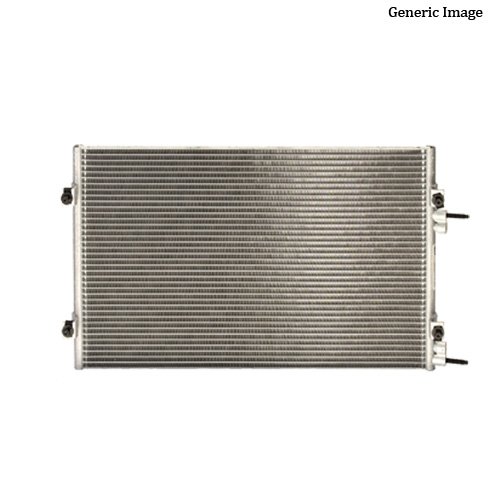 Representative Photo, actual item may vary


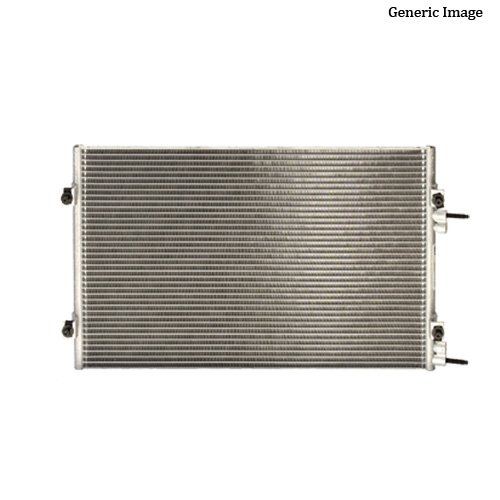 Representative Photo, actual item may vary


Nissens 96777 Heat Exchanger Core 277x158x50mm Aluminum/Plastic


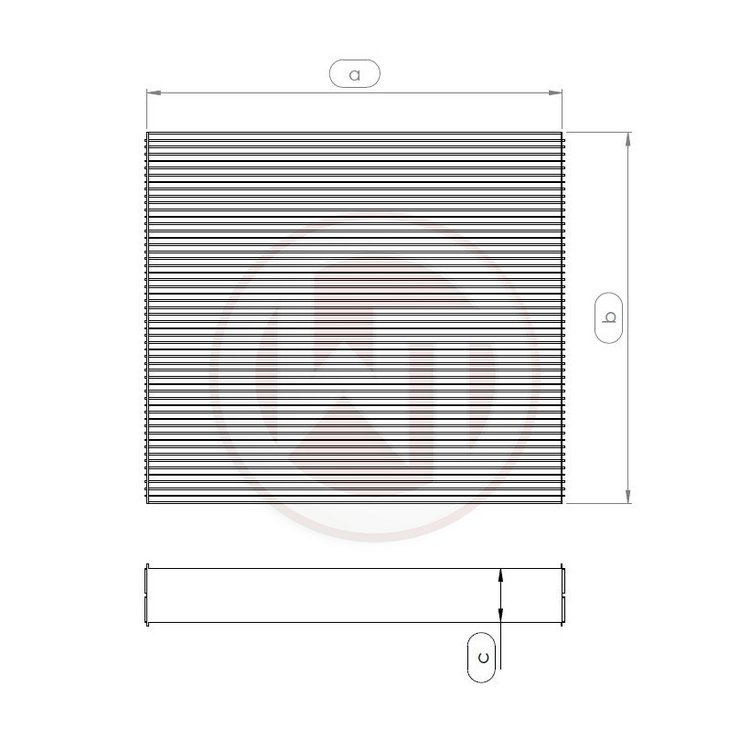 Representative Photo, actual item may vary


Wagner Tuning 004001007-001 Rennsport Universal Radiator Core 240x251x52mm


 Representative Photo, actual item may vary

 Representative Photo, actual item may vary

 Representative Photo, actual item may vary
 Representative Photo, actual item may vary
 Representative Photo, actual item may vary
 Representative Photo, actual item may vary

What Is a Radiator Core and Why Does It Matter?
The radiator core is the heart of your vehicle's cooling system — and quite literally the most critical component between a healthy engine and a catastrophic overheat. The radiator core is the part of the radiator between the tanks, made up of rows of thin tubes and fins that work together to transfer heat from hot engine coolant to the outside air flowing through the grille. Without a functioning core, no amount of coolant or water pump efficiency can save an engine from the damaging effects of sustained high temperatures.
Here's how it works: hot coolant leaves the engine and enters one side of the radiator, flows through the core's network of narrow tubes, and sheds its heat into the surrounding metal fins. Air passing through those fins carries that heat away, and the cooled coolant returns to the engine to repeat the cycle. The core's design — its tube count, fin density, and row depth — directly determines how efficiently heat is dissipated. A damaged, clogged, or corroded core compromises this process at the source.
Signs Your Radiator Core Needs Attention
Because the core is a metal structure constantly exposed to pressurized coolant, temperature swings, and road debris, it is one of the more wear-prone components in the cooling system. Common warning signs include:
- Engine overheating – the most direct indicator of a degraded core unable to shed enough heat
- Coolant leaks – cracks or corrosion in the tubes can allow coolant to seep or pool beneath the vehicle
- Discolored or sludgy coolant – internal scale and rust buildup can restrict flow through the tubes
- Bent or blocked fins – physical damage or debris accumulation reduces airflow and lowers heat-exchange efficiency
- Sudden drops in coolant level – often caused by slow leaks through compromised core seams or joints
Choosing the Right Replacement Radiator Core
Modern radiator cores are most commonly constructed with aluminum tubes and fins, chosen for their light weight and natural resistance to corrosion. Older vehicles often used copper and brass cores, which offer excellent heat conductivity but add weight and cost. When shopping for a replacement, key factors include correct dimensional fitment for your specific make and model, material construction, the number of tube rows (which affects cooling capacity), and whether the part meets or exceeds OEM specifications. A core that fits imprecisely or uses inferior materials can cause installation headaches and a shortened service life.
It's also worth noting that replacing the core is often done in conjunction with related cooling system service — new hoses, a fresh thermostat, and a coolant flush help ensure the new core performs at its best from day one.
Top Radiator Core Brands
Nissens is the leading brand in this category, and for good reason. Founded in 1921 in Denmark, Nissens has spent over a century specializing in thermal management components for the automotive aftermarket. The company rigorously tests its radiators and cooling components for pressure, temperature stability, and leaks, and its parts are engineered to meet or exceed OEM specifications. With a global presence spanning more than 50 countries and a product range covering a vast array of vehicle makes and models, Nissens is widely regarded as a go-to choice for professional technicians and DIY enthusiasts seeking reliable, OE-quality cooling system repairs.