


Fuel Line Connector

Dorman 800-188 Quick Connector 5/16 In. Steel to 6mm Nylon 180 Degree with O-Ring


Dorman 800-085 Fuel Line Quick Connector 3/8 In. Steel to 5/16 In. Nylon Adapter

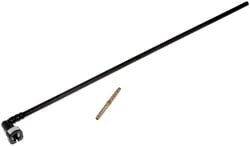
Dorman 800-060 5/16 Inch 90 Degree Quick Connector with Nylon Tube

Dorman 800-059 3/8 In. Quick Connector 90 Degree Elbow with 18 In. Nylon Tube


Dorman 800-057 5/16 In. Quick Connector Fuel Line Assembly with 18 In. Nylon Tube


Dorman 800-130 Springlock Fuel Line Connector 11mm x 5/16in Barbed Male


Dorman 800-109 Fuel Line Vapor Connector 5/8 Inch Steel to Nylon 90 Degree Elbow


Dorman 800-131 Springlock Fuel Line Connector 14mm x 5/16 Inch Barbed Male


Dorman 800-344 Nylon Fuel System Connector 5/16 In. 45-Degree Elbow to 5/16 In. Barbed

Dorman 800-078.5 Fuel Line Fitting Adapter 3/8 In. Nylon Hose to M16-1.5 Female Thread 5-Pack


S.U.R.&.R. Auto KP135 5/16" to 5/16" 90 Degree Push-On Quick Connect Fuel Line Fitting

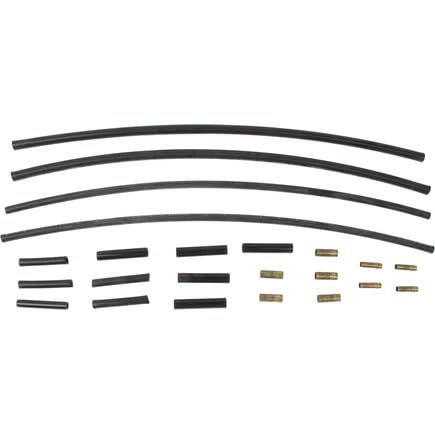 Representative Photo, actual item may vary


RADIUM Engineering 20-1000-1010B-PCV ORB Swivel Banjo PCV Valve to Barb Fuel Pump Hanger Assembly - 10AN 10mm


RADIUM Engineering 20-1000-1006-PCV 10AN ORB Swivel Banjo PCV Valve to 6AN Male Adapter
 Representative Photo, actual item may vary


Genuine BMW 16-12-1-182-197 Fuel Line T-Fitting Connector

 Representative Photo, actual item may vary





- 1
- 2
What Are Fuel Line Connectors?
Fuel line connectors are the critical linking components that join sections of fuel line to one another and to key fuel system parts — including the fuel pump, fuel filter, and fuel injectors. Though small in size, these fittings carry an outsized responsibility: maintaining a sealed, pressurized fuel circuit from the tank all the way to the engine. A compromised connector doesn't just mean poor performance — it can introduce a dangerous fuel leak and a serious fire risk.
How Fuel Line Connectors Work
Fuel line connectors create secure, leak-proof connections between fuel lines and other parts such as the fuel pump, fuel filter, and fuel injectors. They are typically made of metal or plastic and utilize various locking mechanisms — such as clips, O-rings, or threaded interfaces — to ensure a tight seal under pressure. Modern fuel injection systems operate at significantly higher pressures than older carbureted setups, making the integrity of every connector in the system especially important.
Common Types of Fuel Line Connectors
Not all fuel line connectors are interchangeable. The right choice depends on your fuel line material, diameter, system pressure, and vehicle application:
- Quick-Connect (Push-Connect) Fittings: Found on most modern factory fuel systems, these connectors snap into place and use internal retainer clips — such as hairpin or duck-bill style clips depending on line size — for a fast, tool-minimal connection and disconnection.
- Compression Fittings: Commonly used to join rigid fuel lines, compression fittings create a seal by mechanically compressing a ferrule around the tubing when the nut is tightened. They're a practical choice for fuel line repair work.
- AN (Army-Navy) Fittings: Originally developed to military aerospace standards, AN fittings are the go-to choice for high-end racing and performance fuel delivery systems. They feature a 37-degree cone sealing surface and straight threads with O-rings, offering superior leak resistance compared to tapered pipe thread designs.
- NPT (National Pipe Taper) Fittings: A U.S. standard for tapered threaded pipe fittings, NPT connectors rely on thread sealant or Teflon tape rather than O-rings. They're common on fuel pressure gauges and some regulators, though they are generally considered less reliable for high-pressure fuel lines than AN-style fittings.
- Bulkhead Fittings: Designed to pass a fuel line through a firewall or panel while maintaining a fully sealed connection on both sides — essential in custom builds and engine bay fabrication.
- Barbed Fittings: Used with rubber or flexible hose and typically secured with hose clamps. These are a straightforward, budget-friendly option for low-pressure carbureted applications.
Signs Your Fuel Line Connector Needs Replacement
Fuel line connectors degrade over time due to age, heat cycling, fuel chemical exposure, and physical stress. Recognizing the early warning signs can prevent a breakdown — or worse:
- Fuel odor — A persistent smell of gasoline, especially after driving, is often the first indicator of a connector leak.
- Visible fuel or wet spots — Check around connectors, particularly where lines meet the fuel filter or fuel pump, for drips or dampness.
- Hard starting or engine stalling — A compromised connector can cause pressure drops that starve the engine of fuel, leading to rough idling, sputtering, or stalling.
- Cracked or brittle plastic housing — Quick-connect plastic bodies can become fragile with age, especially when exposed to underhood heat or fuel vapors.
Key Considerations When Shopping for Fuel Line Connectors
Selecting the correct connector means matching several variables: the inner diameter of your fuel line, the fitting standard used by your vehicle (SAE, AN, or metric), and the operating pressure of your fuel system. Each fitting must match the hose size, material, and function — otherwise you risk leaks, fuel pressure drops, or even system failure. Always confirm that replacement connectors are rated for your fuel type, whether that's gasoline, diesel, ethanol-blended fuels, or other formulations. For performance or EFI applications, prioritize fittings with O-ring seals over pipe-thread designs for maximum reliability.