


Electrical Wiring Lug



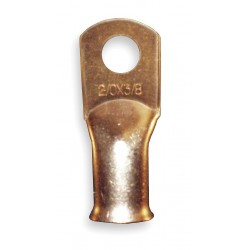


 Representative Photo, actual item may vary

 Representative Photo, actual item may vary


 Representative Photo, actual item may vary

 Representative Photo, actual item may vary


 Representative Photo, actual item may vary


 Representative Photo, actual item may vary



What Are Electrical Wiring Lugs?
Electrical wiring lugs are specialized connectors designed to terminate the end of an electrical cable and secure it to a device, terminal, or grounding point. Often called cable lugs or cable terminals, these small but critical components serve as the interface between a conductor and its connection point — think of the clamp that secures a cable to an automotive battery terminal. Without a properly installed lug, even the best wiring can fail to deliver reliable power.
In practical terms, lugs create a clean, secure termination that maximizes electrical contact while protecting against connection failure. They are found throughout the electrical systems of cars, trucks, motorcycles, boats, and commercial equipment — anywhere a permanent, high-integrity connection between wire and hardware is required.
How Electrical Wiring Lugs Work
Most lugs consist of two functional sections: a barrel that accepts the stripped end of the conductor, and a pad or hole through which a bolt, screw, or stud secures the lug to its terminal point. Depending on the application, the barrel is attached to the conductor by crimping, soldering, or mechanical compression. The method matters: crimping is fast and reliable for most automotive work, while soldering can produce an especially low-profile connection in tight spaces.
Common lug styles include:
- Ring (O-type) lugs – The most widely used automotive style. A round eyelet slips over a stud or bolt and is secured with a nut, making it ideal for battery terminals, grounding points, and alternator connections.
- Fork (spade) lugs – A U-shaped terminal that slides onto a screw without fully removing it, convenient for switches, relays, and control panels.
- Pin lugs – A cylindrical terminal designed for insertion into terminal blocks or PCB connectors, often used in fuse units and relay sockets.
- Flat lugs – A low-profile terminal suited for ribbon cables and space-constrained applications like automotive lighting systems.
Materials and Why They Matter
The material of a wiring lug directly affects conductivity, corrosion resistance, and long-term reliability. Copper is the most common choice for automotive applications — it offers excellent conductivity and is easy to crimp. Tinned copper lugs add a layer of corrosion resistance, making them especially well-suited for marine or under-hood environments where moisture and heat are constant threats. When selecting a lug, also consider whether you need an insulated or non-insulated version: insulated lugs reduce the risk of accidental contact and short circuits, while bare metal contacts allow for more precise crimps in professional installations.
Proper sizing is equally important. The lug must be matched to the correct wire gauge (AWG) and stud diameter — too small and the connection overheats; too large and it may pull loose under vibration.
Shop Electrical Wiring Lugs from Top Brands
For reliable electrical wiring lugs backed by decades of automotive expertise, Dorman is the category leader. Through its well-regarded Conduct-Tite line, Dorman offers copper ring lugs in multiple wire gauges and stud diameters, available in both insulated and non-insulated versions and conveniently packaged for both small repairs and larger projects. Dorman's Builders Series takes things further, featuring professional-grade components like battery cable lugs with stainless steel contacts for superior conductivity and corrosion resistance — purpose-built for clean, lasting electrical repairs.