


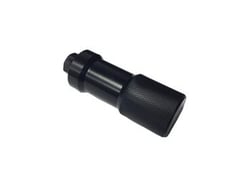
Torque Solution TS-POR-014 Center Lock Wheel Tool for Porsche

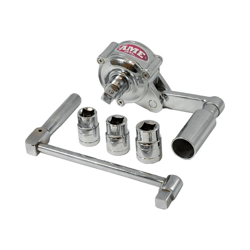

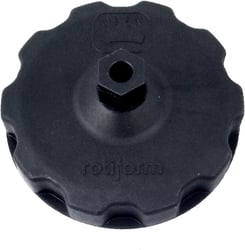

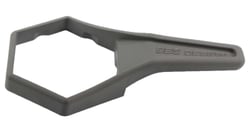

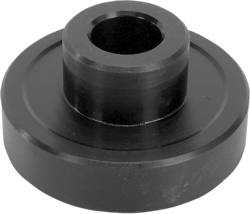

 Representative Photo, actual item may vary

The Foundation of Every Vehicle: Understanding Wheels
The wheel is one of the most fundamental components on any vehicle. It is the direct link between your car, truck, or SUV and the road beneath it — transferring engine power into movement, supporting steering input, and absorbing road impacts that would otherwise stress the rest of the drivetrain. Whether you're shopping for a straightforward replacement or planning a performance upgrade, understanding the wheel category as a whole is the best place to start.
What's Included in the Wheel Category
The Wheel category is broader than many shoppers expect. It encompasses not just the wheel assemblies themselves, but the entire ecosystem of components that complete a wheel setup — including center caps and hub caps, wheel covers, lug nuts and lug studs, valve stems, and wheel accessories. Whether you need a single replacement piece or a complete set of new rims, this category has you covered across passenger cars, trucks, SUVs, off-road vehicles, trailers, and more.
Wheel Materials: What's the Difference?
The material a wheel is made from has a direct impact on performance, weight, durability, and cost. The four most common types are:
- Steel Wheels: The most budget-friendly and durable option. Steel wheels are a go-to choice for trucks, commercial fleets, and drivers in harsh climates. A bent steel wheel can often be repaired on the trail — an advantage no other material can match — though their added weight does affect fuel economy.
- Alloy Wheels: Made from aluminum or a blend of aluminum and other metals, alloy wheels are lighter than steel, which reduces unsprung weight and directly improves handling response, acceleration, and fuel efficiency. Their superior heat dissipation also helps protect brakes during hard driving, and their design flexibility allows for a wider range of finishes and spoke patterns.
- Forged Wheels: Forged alloy wheels represent the pinnacle of strength-to-weight engineering. The manufacturing process compresses metal under extreme pressure to produce an incredibly dense and strong structure that is lighter than cast alternatives — ideal for performance driving and track use.
- Carbon Fiber Wheels: The premium choice for weight reduction. Carbon fiber wheels offer exceptional strength-to-weight ratios and excellent heat resistance, and have made their way from motorsport into select high-performance street applications.
Key Considerations When Choosing Wheels
Selecting the right wheel goes beyond aesthetics. Several critical fitment specifications must match your vehicle to ensure safety and optimal performance:
- Diameter and Width: Wheel size affects ride comfort, handling, and the range of compatible tires. Oversized or undersized wheels can interfere with suspension and braking components.
- Bolt Pattern: The number of lug holes and their spacing must match your vehicle's hub exactly. Mismatched bolt patterns are a safety hazard.
- Offset: The distance between the wheel's centerline and its mounting face determines how far the wheel sits in or out of the wheel well, affecting both handling and clearance.
- Load Rating: Always verify that your wheels are rated to handle the weight of your specific vehicle, especially for trucks and towing applications.
Beyond the Rim: The Full Wheel Ecosystem
A complete wheel setup involves more than just the rim. Center caps and hub caps protect the wheel's center bore and lug nuts from debris and corrosion while giving the wheel a finished appearance. Lug nuts and wheel locks secure the wheel to the hub safely. Valve stems maintain air pressure in your tires. For off-road builds, beadlock rings physically clamp the tire bead to the rim, preventing dangerous deflation at low tire pressures — a critical feature for rock crawling and trail driving.
Whether you're replacing a damaged wheel, upgrading your daily driver, building a dedicated off-road rig, or restoring a classic, the right wheel selection makes a measurable difference in how your vehicle looks, handles, and performs. Browse the subcategories below to find exactly what your build requires.