


Alternator Rotor





 Representative Photo, actual item may vary
Kraftwerks K65-17-0700 Extreme Duty Alternator Kit 100 Amp Polaris RZR Turbo R


Arrowhead Electrical 400-48059 Replacement Alternator for Honda GL1800 Gold Wing 1832cc 75A


Rmstator RMS120-108877 Improved Capped 38A Flywheel Alternator Rotor OEM 29981-95

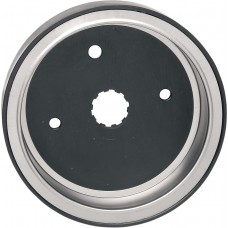 Representative Photo, actual item may vary
 Representative Photo, actual item may vary


Drag Specialties 2112-0453 50 Amp Alternator Rotor for 2006 Harley-Davidson Touring

 Representative Photo, actual item may vary
Drag Specialties 2112-0093 Alternator Rotor 38 Amp Harley-Davidson Replacement
 Representative Photo, actual item may vary
 Representative Photo, actual item may vary
Drag Specialties 2112-1405 Alternator Rotor for 2018-2022 Harley-Davidson Softail


Drag Specialties 2112-1206 54-Amp High-Output Alternator Rotor for Harley-Davidson Touring & Trike
 Representative Photo, actual item may vary
 Representative Photo, actual item may vary
 Representative Photo, actual item may vary
 Representative Photo, actual item may vary
 Representative Photo, actual item may vary
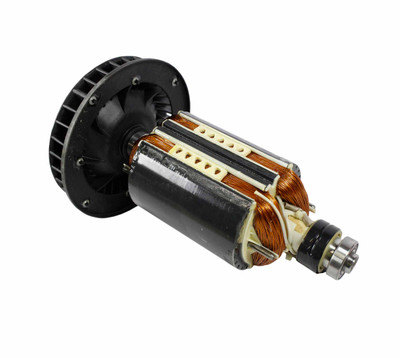 Representative Photo, actual item may vary

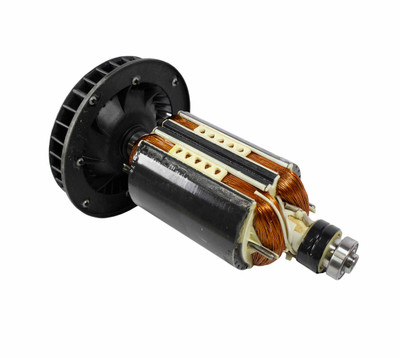 Representative Photo, actual item may vary


 Representative Photo, actual item may vary

 Representative Photo, actual item may vary
 Representative Photo, actual item may vary


What Is an Alternator Rotor?
The alternator rotor is the beating heart of your vehicle's entire charging system. Without a functioning rotor, your alternator cannot generate electricity, leaving your battery to drain and your vehicle stranded. Understanding what the rotor does — and when it needs to be replaced — is essential knowledge for any serious DIY mechanic or automotive enthusiast.
At its core, the alternator rotor is the spinning component inside the alternator assembly. As your engine runs, the crankshaft drives a serpentine or drive belt, which turns the alternator pulley, which in turn spins the rotor on its shaft. The rotor itself is built around an iron core wrapped with copper wire coil known as field windings. When direct current (DC) is fed to this coil via brushes and slip rings, the coil becomes an electromagnet with distinct north and south poles. As the rotor spins inside the stationary stator at high speed, this rotating magnetic field induces an alternating current (AC) voltage in the stator's copper windings, which is then rectified into the DC power your vehicle's battery and electrical systems require.
Why the Rotor Matters for Your Vehicle's Health
The alternator is one of three key components in your vehicle's charging system — alongside the battery and voltage regulator. While the battery provides the initial power to start the engine, it's the alternator (and specifically the spinning rotor) that keeps everything powered while you drive: headlights, infotainment systems, ignition, climate control, and more. A failing or worn rotor can result in poor charging output, flickering lights, a dead battery, or complete electrical failure.
Common rotor failure causes include worn field windings, damaged slip rings, bearing wear, and heat-related degradation over time. In many cases, replacing just the rotor — rather than the entire alternator — is a cost-effective repair that restores full charging performance.
What to Look For When Shopping for an Alternator Rotor
- Application fit: Rotors are highly vehicle-specific. Always verify compatibility with your year, make, model, and engine before purchasing.
- Winding integrity: Look for rotors with quality copper field windings that meet or exceed OEM resistance specifications for reliable magnetic output.
- Slip ring condition: Quality replacement rotors feature properly machined slip rings to ensure good brush contact and consistent field current delivery.
- Balanced construction: A well-balanced rotor minimizes vibration and bearing wear, extending the service life of the entire alternator assembly.
Top Brands in Alternator Rotors
Mr. Gasket is a legendary name in the American performance aftermarket, founded in 1964 by drag racer Joe Hrudka and now part of the Holley Performance family. Known for decades of delivering quality components to racing and performance enthusiasts, Mr. Gasket brings that same commitment to precision and durability to its alternator rotor offerings, making them a reliable choice for performance builds and restorations alike.