


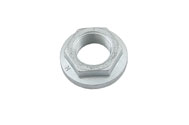
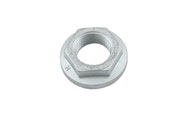
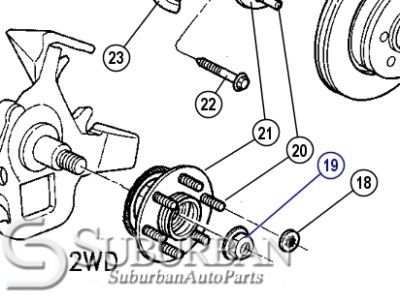
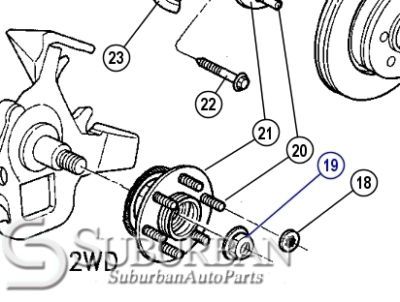
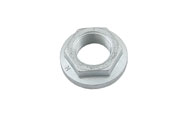
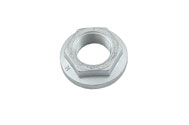
Axle Nut


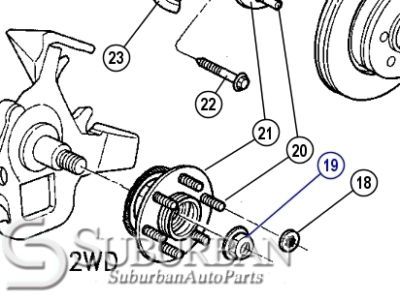 Representative Photo, actual item may vary

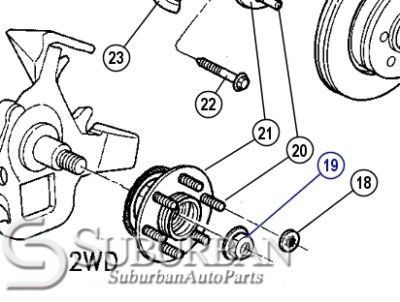 Representative Photo, actual item may vary
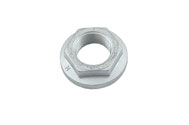 Representative Photo, actual item may vary


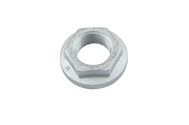 Representative Photo, actual item may vary


 Representative Photo, actual item may vary


 Representative Photo, actual item may vary


 Representative Photo, actual item may vary

 Representative Photo, actual item may vary
 Representative Photo, actual item may vary




 Representative Photo, actual item may vary


 Representative Photo, actual item may vary

 Representative Photo, actual item may vary
 Representative Photo, actual item may vary


 Representative Photo, actual item may vary


 Representative Photo, actual item may vary


 Representative Photo, actual item may vary
 Representative Photo, actual item may vary


IAP 111501221 Rear Axle Hub Nut 36mm Castle Nut VW Beetle Karmann Ghia Bus


 Representative Photo, actual item may vary
 Representative Photo, actual item may vary
What Is an Axle Nut and Why Does It Matter?
Axle nuts are among the most safety-critical fasteners on any vehicle. Axle nuts sit at the very end of the axle shaft, where it passes through the wheel hub assembly, and their primary job is to secure the wheel hub and the drive axle — or CV joint — together as one unified unit. Small in size but enormous in responsibility, they are the last line of defense keeping your drivetrain connected to your wheels.
What makes an axle nut more than a simple fastener is the precision role it plays in wheel bearing performance. The nut's final torque setting is engineered to apply a specific amount of tension, known as preload, to the wheel bearing races. This preload holds the inner bearing races tightly together, preventing movement that could lead to premature wear or catastrophic bearing failure. Too little preload creates excessive internal clearances that result in bearing noise and rapid wear; too much generates friction, heat buildup, and equally premature failure.
Because of these tight tolerances, torque specifications for axle nuts can range from 130 to over 300 foot-pounds depending on the application — and those specs can vary significantly even between similar vehicles. Always consult the exact repair manual for your specific year, make, and model before installation.
Types of Axle Nuts
Vehicle manufacturers use several distinct axle nut designs, each employing a specific mechanism to resist loosening from vibration and rotation:
- Castle Nuts: Feature slots that accept a cotter pin inserted through a corresponding hole in the axle shaft, creating a positive mechanical lock. Common on older vehicles and trailer axle applications.
- Staked / Crimped Nuts: A standard hex nut with a thin collar that is deformed into a machined groove on the axle shaft after torquing to final specification. Very common on modern FWD and AWD platforms.
- Flange Nuts: Include a built-in washer face that distributes clamping force evenly across the hub surface, reducing the risk of damage to the wheel assembly.
Because many axle nuts are designed as single-use components — their locking features rely on a one-time deformation — it is widely recommended to always install a new axle nut any time the original is removed during hub bearing, CV axle, or suspension service.
Top Axle Nut Brands
Dorman is one of the most recognized names in driveline hardware, offering an extensive catalog of OE-replacement axle nuts engineered to match original specifications for fit, finish, and torque requirements across a wide range of domestic and import vehicles.
Mopar Performance brings factory-level precision to axle nut applications for Chrysler, Dodge, Jeep, and Ram vehicles. As the official OEM parts and performance arm, Mopar ensures direct-fit compatibility and OE torque spec compliance for Stellantis platforms.
Dana Spicer has decades of heritage in axle and driveline engineering. Their axle nuts are purpose-built to complement Dana axle assemblies found in many light trucks, SUVs, and off-road vehicles, making them a go-to choice for serious drivetrain repairs.
Dexter Axle specializes in trailer and towable vehicle axle components. Their axle nuts are designed to the exacting specifications of trailer axle systems, making them an essential hardware choice for anyone servicing utility, boat, or RV trailers.